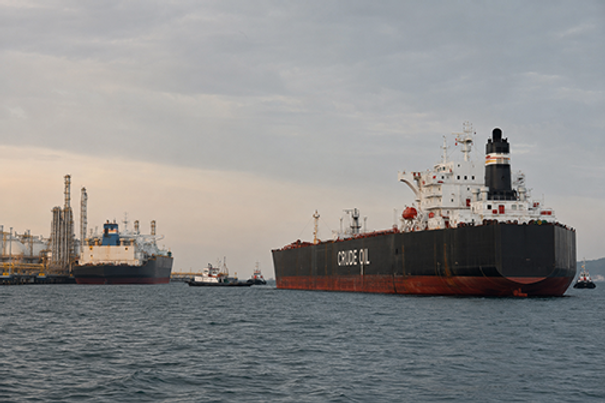
Geopolitical tensions flaring across key Middle Eastern energy shipping lanes have pushed global crude oil prices over the $100 per barrel threshold this Thursday, creating fresh inflationary headwinds for Belize, a small Caribbean nation that relies entirely on imported petroleum and already sees transport costs as its biggest driver of rising consumer prices.
On Thursday, the global benchmark Brent crude, which directly sets pricing for fuel imported by Belize, climbed to $100.60 per barrel. Meanwhile, the United States’ domestic benchmark West Texas Intermediate (WTI) notched an uptick to $91.63 per barrel. This sharp rally comes on the heels of escalating military engagement involving Iran and a series of targeted attacks on commercial oil shipping in the Red Sea, stoking widespread market anxiety over potential disruptions to two of the world’s most critical energy transit corridors.
The latest price spike was triggered after Yemeni Houthi militants claimed responsibility for coordinated attacks on two Saudi-owned oil tankers transiting the Red Sea, even as direct military confrontations between the United States and Iran continue to escalate in the region. Already, the ongoing unrest has cut commercial shipping traffic through the Strait of Hormuz, the chokepoint that carries roughly one-fifth of the world’s total daily oil supply. This has forced commodity markets to price in the growing risk of extended supply constraints that could stretch for months.
For Belize, which imports 100% of its finished petroleum products to meet domestic energy demand, sustained gains in global crude prices almost always translate to higher local fuel costs after a short lag. This in turn pushes up transportation expenses for both small businesses and working households across the country.
This direct link between global energy markets and Belizean inflation is already clearly visible in the nation’s most recent consumer price data. According to the Statistical Institute of Belize (SIB), the national Consumer Price Index rose 4.3% year-over-year in May, with the transport sector accounting for the single largest contribution to that overall inflation increase.
The SIB’s report showed that transport prices jumped 14% over the 12-month period ending in May, with higher motor fuel prices acting as the primary catalyst. Compared to May 2025, diesel prices rose roughly 15.5%, regular gasoline climbed approximately 28.3%, and premium gasoline increased around 17.3%. Passenger transport services also saw significant price hikes, driven by both higher fuel costs and rising international airfares.
Alone, the transport category contributed nearly 50% of the total increase in consumer prices in May, highlighting just how sensitive Belize’s overall inflation rate is to geopolitical and pricing shifts in global energy markets.
The ripple effects of higher fuel prices extend far beyond private motor vehicle owners. Elevated transport costs push up expenses for freight delivery, food distribution, construction materials, manufacturing inputs, tourism operations and public transit, eventually leading to broad-based price increases for nearly all goods and services across the national economy.
Global financial markets also reacted sharply to Thursday’s escalation of tensions. Major U.S. stock indices fell into negative territory as investors assessed the dual risks of sustained higher inflation from rising energy costs and growing threats to global trade routes from expanded conflict.
Energy analysts note that the trajectory of future oil prices will depend heavily on whether the current conflict remains contained to limited areas or expands into a broader regional confrontation. Additional targeted attacks on critical shipping infrastructure or extended disruptions to Middle Eastern oil exports could push crude prices even higher in the coming weeks.
For Belize, any sustained further increase in oil prices above current levels would complicate ongoing policy efforts to cool inflation after months of elevated transport costs. It would also add additional financial pressure to working households already struggling with the higher cost of living across the country.