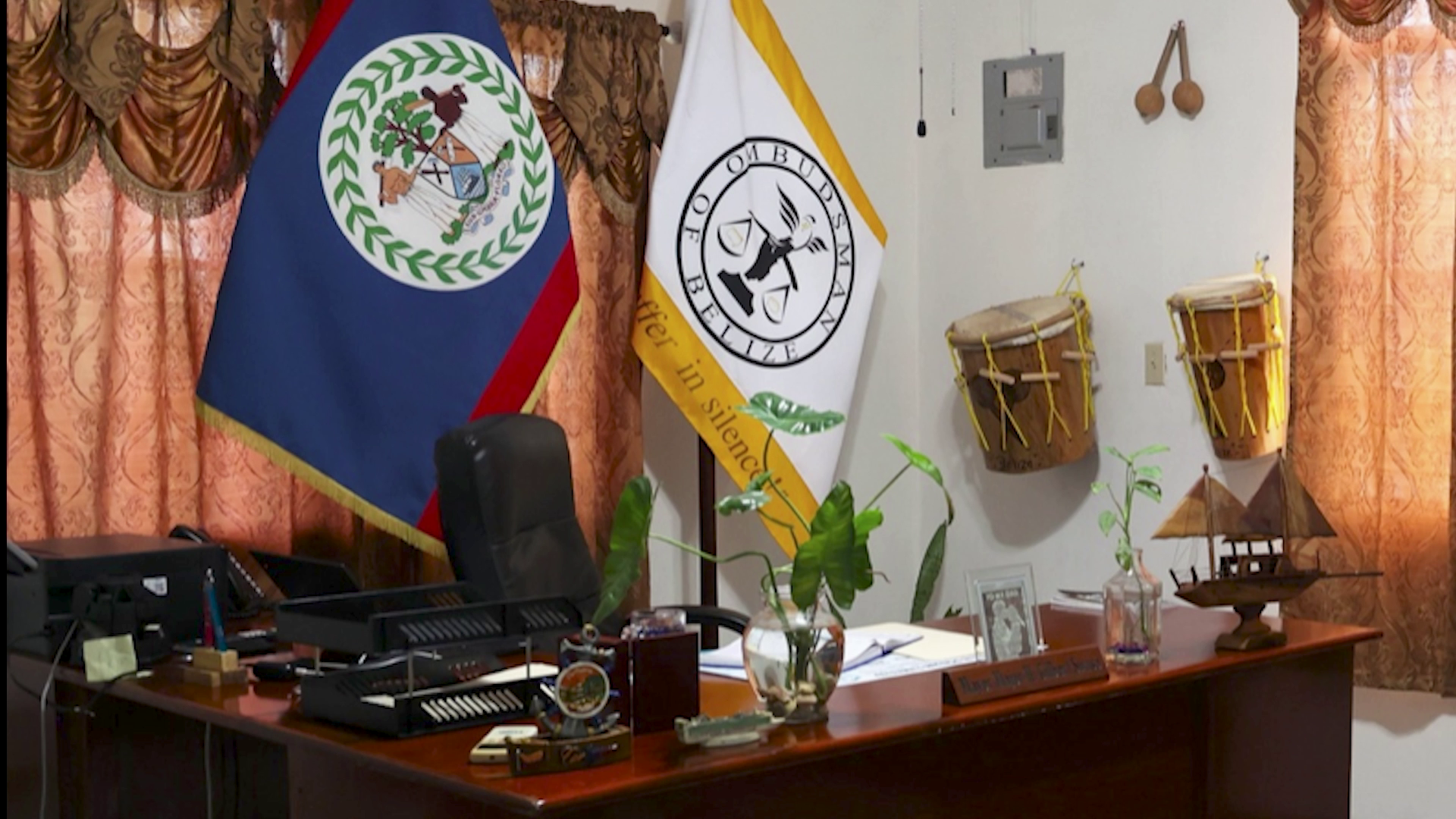
As an ongoing review of the effectiveness of Belize’s government accountability mechanisms continues, a former head of one of the country’s key oversight institutions has raised urgent alarms about chronic underfunding. Retired Major Gilbert Swaso, who previously served as Belize’s Ombudsman, revealed in a recent public interview that the Ombudsman’s Office is consistently ranked among the lowest-priority items in the Government of Belize’s annual national budget allocation.
While the country’s existing Ombudsman Act explicitly grants the office the legal authority to submit requests for extra funding to support active investigations into government misconduct and systemic failures, Swaso says the real challenge emerges long after the request is filed. During his tenure leading the office, Swaso documented multiple instances where formal funding requests for critical investigative work were completely ignored by government financial authorities.
“Statutorily, we have the right to put forward requests for additional resources when casework demands it. The problem isn’t the ability to ask – it’s what happens after we ask,” Swaso explained. “On more than one occasion, those requests went unanswered. That’s where the core challenge lies.”
Even though Belize’s constitution and national Ombudsman Act formalize the office’s independence from executive branch interference, Swaso points out that the office still relies on approval from the Ministry of Finance, the Financial Secretary, and the National Assembly for any additional budget beyond its base allocation. When the Ombudsman’s investigative priorities do not align with the ruling government’s policy and political agenda, requests for extra funding are routinely sidelined, he says.
This systemic mismatch creates a hidden threat to the office’s core mandate: holding government institutions and public officials accountable to the public. Swaso warns that when funding is only approved for investigations that fit the government’s own priorities, the independence that makes the Ombudsman’s oversight work meaningful is severely undermined. The interview marks the latest contribution to a broader public discussion about whether Belize’s oversight bodies have the resources and autonomy they need to fulfill their legal responsibilities.