From July 5 to 8, 2026, the 51st Regular Meeting of the Conference of Caribbean Community (CARICOM) Heads of Government concluded in Gros Islet, Saint Lucia, marking a major milestone in the regional bloc’s decades-long campaign for reparatory justice. At a post-summit press briefing, CARICOM Chair and Saint Lucia Prime Minister Philip J. Pierre shared key outcomes with reporters, emphasizing that every deliberation at this year’s gathering was anchored by one core mission: lifting quality of life for all people across the CARICOM region.
A centerpiece decision from the summit saw all heads of government formally approve the updated *Revised CARICOM Ten Point Plan for Reparatory Justice: A Manifesto for the Coming Enlightenment*, a framework crafted by the CARICOM Reparations Commission (CRC). The plan formalizes the bloc’s formal demand for redress from European nations for two centuries of atrocities: the transatlantic slave trade and the systematic genocide of Caribbean Indigenous peoples.
Pierre laid out the bloc’s clear roadmap to advance the reparations agenda in the coming months. Key upcoming actions include deepening strategic collaboration with the African Union to build global momentum, maintaining a unified, high-profile CARICOM delegation at the November 2026 Commonwealth Heads of Government Meeting, hosting the Third Regional Conference on Reparations in Barbados, and officially opening the Newton Slave Burial Ground Memorial to honor victims of chattel slavery on the island.
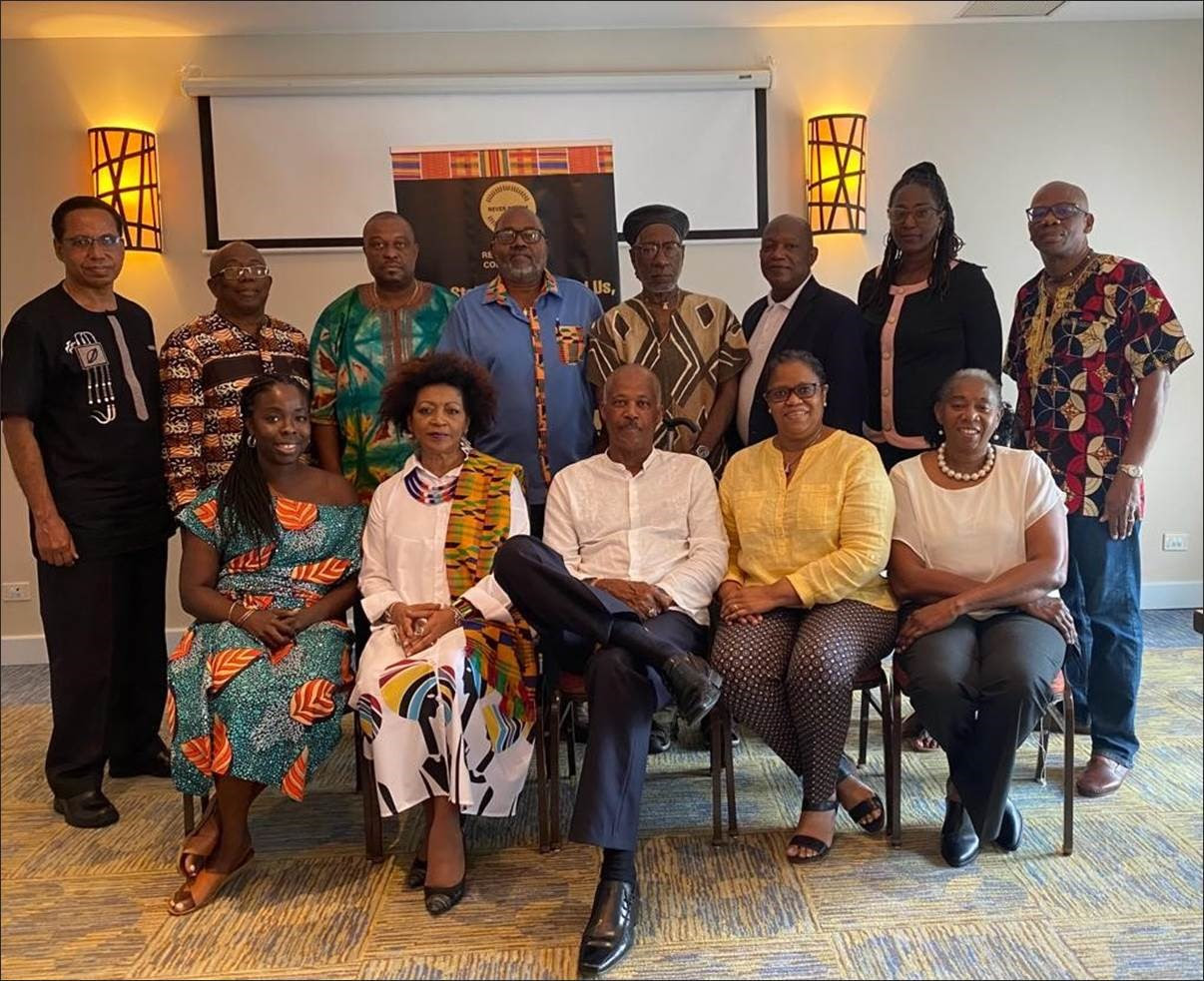
Parallel to the official summit, a dedicated CARICOM Reparations Forum was convened on July 6, co-hosted by the Government of Saint Lucia and the CARICOM Secretariat. The closed dialogue centered on three critical themes: the global framework for enlightenment, standardizing reporting on socio-economic reparatory justice, and integrating reparations work into regional sustainable development goals. The forum reinforced CARICOM’s longstanding commitment to centering reparations as a core pillar of just, equitable development across the Caribbean.
Leading experts and reparations advocates headlined the forum, including CRC Chair Sir Hilary Beckles, Saint Lucia National Reparations Committee Chair Earl Bousquet, and CRC member Ambassador Dr. June Soomer. In his keynote address, Beckles highlighted a landmark recent international win for the movement: the United Nations’ adoption of a formal declaration that classifies the transatlantic trafficking of enslaved Africans and the system of racialized chattel slavery as the gravest crime against humanity in recorded history.
Beckles framed the UN declaration as a turning point that shifts the global conversation forever. “For 300 years, there were ongoing debates over whether we even had a legal case for reparatory justice,” he explained. “The answer now is yes. The case has been made. There’s nothing more to discuss whether there’s a case or not. The question now is implementation and demand. That’s where we are now at this moment. That is why Africa and the CARICOM are now in league, providing global leadership for the next phase.”