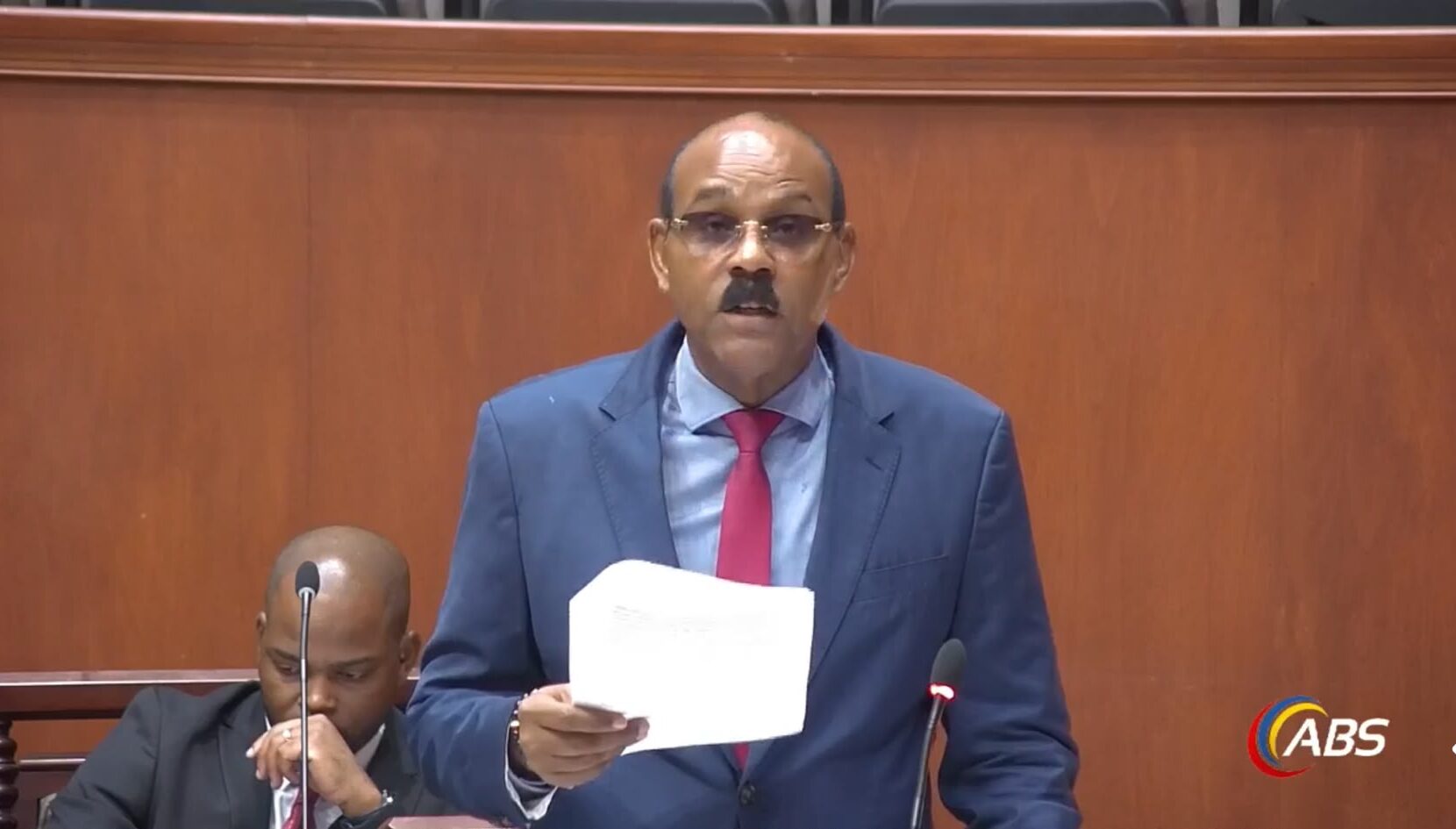
Antigua and Barbuda is pushing for a rate of up to US$75,000 in financial support for every third-country national it accepts under a proposed migrant resettlement arrangement with the United States, Prime Minister Gaston Browne has confirmed. Speaking in the country’s Parliament this Tuesday ahead of tabling a negotiation framework resolution, Browne made clear that the Caribbean nation’s unique economic context – marked by among the highest living and housing costs in the region – demands greater compensation than other partner states have secured for similar agreements.
Browne told assembled lawmakers that existing resettlement deals between the US and other participating nations have offered between US$25,000 and US$50,000 per individual resettled. But he has already communicated to US negotiators that this range does not align with Antigua and Barbuda’s on-the-ground costs. “I said to them Antigua and Barbuda is an expensive country, so we may want to consider about US$75,000 each,” Browne stated.
The prime minister emphasized that the requested rate is not arbitrary, but directly tied to the actual cost of housing and supporting resettled people in the country. Even low-quality, dilapidated rental properties carry a monthly price tag of roughly US$500, Browne explained, while housing that meets the minimum acceptable standards comparable to accommodations in the United States costs a minimum of US$2,000 per month. These stark cost differences, he argued, must be centered as talks move forward.
Tuesday’s resolution before Parliament does not seek approval for finalized financial terms, but rather a guiding framework that empowers the national Cabinet to continue negotiations while upholding Antigua and Barbuda’s core interests. “The Cabinet must have the leverage to negotiate a sensible agreement,” Browne said, noting that negotiators will formalize their position on fair financial compensation before presenting it to US counterparts.
In a key guardrail for the small island nation, Browne stressed that no final agreement will be signed until funding terms are settled and documented in writing. This precondition ensures that the financial burden of resettling third-country nationals will never fall on Antigua and Barbuda’s public finances. The prime minister reaffirmed the government’s openness to collaboration with the United States, but made clear that any final arrangement must prioritize the country’s economic realities and protect national interests above all else.