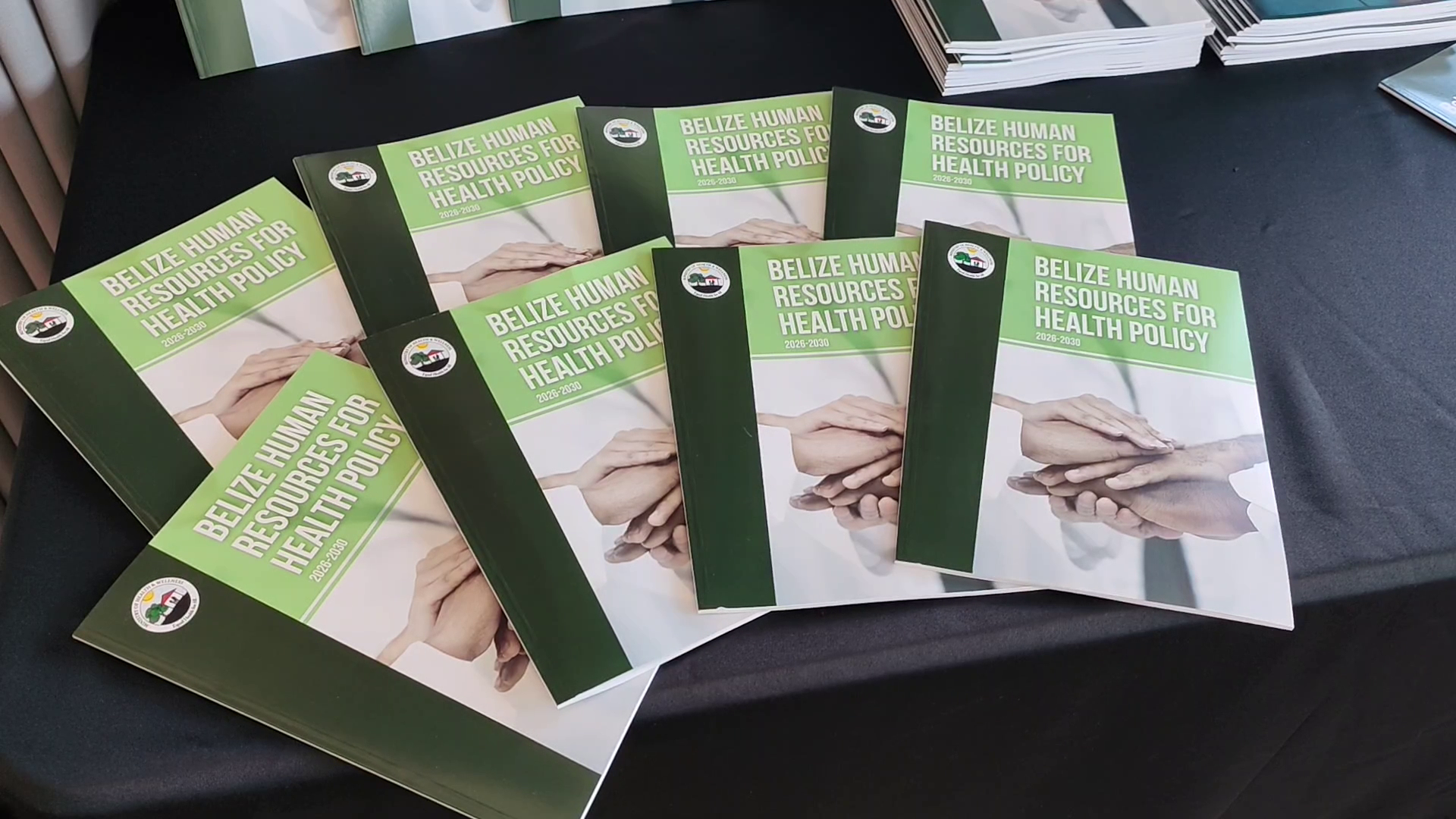
On June 25, 2026, Belize’s Ministry of Health and Wellness introduced a landmark five-year initiative aimed at reversing long-standing challenges in the country’s healthcare sector, centering its efforts on shoring up the national medical workforce.
Named the Belize Human Resources for Health Policy and Strategic Plan 2026–2030, the roadmap targets persistent gaps in staffing distribution, professional training, and equitable access to skilled care across all regions of the small Central American nation. Health Minister Kevin Bernard framed the plan as a critical turning point for the country’s health system, noting that its development was directly shaped by stark vulnerabilities laid bare during the COVID-19 pandemic.
During the height of the global public health crisis, Bernard recalled, every tier of Belize’s healthcare workforce—from frontline physicians and nurses to laboratory technicians, community health workers, and administrative support staff—shouldered unprecedented burdens. Working extended hours under constant pressure and adapting to rapidly changing public health guidelines, these workers were the backbone of the country’s response, enabling Belize to navigate one of the most turbulent periods in modern public health history.
Belize’s push to revamp its healthcare workforce strategy comes amid a global crisis of medical professional shortages, worsened by the steady migration of skilled clinicians and widespread challenges retaining trained staff in low- and middle-income nations. Currently, Belize counts 38.2 physicians, nurses, and midwives per 10,000 residents, according to Dr. Andre Chell, director of policy, research and planning at the Ministry of Health and Wellness and head of the new strategic plan project. That falls well short of the 44.5 per 10,000 threshold the World Health Organization has identified as the minimum requirement to advance toward universal health coverage.
Unlike top-down policy frameworks developed without on-the-ground input, Chell emphasized, the five-year plan was crafted following extensive consultations with a broad range of stakeholders, including practicing clinicians, healthcare administrators, and global and local health partners. The resulting strategy is designed not only to ease immediate staffing pressures but also to proactively address future healthcare demands as Belize’s population and care needs evolve.
One of the plan’s earliest and highest priorities is the development of a comprehensive national retention strategy that covers all categories of healthcare workers, expanding on the government’s current targeted retention policy for nurses. Chell noted that this initiative is marked as a quick win, with progress expected within the first few months of the plan’s rollout.
The urgency of the reform has been amplified by an upcoming transition: the planned departure of the Cuban Medical Brigade, a longstanding contributor to Belize’s healthcare workforce that has filled critical staffing gaps for years. When the brigade exits, the total number of healthcare workers per 10,000 residents will decline further, stretching the country’s already overstretched existing staff even thinner. This policy and strategic plan, officials say, will put in place systems to offset that loss and build a self-sustaining, robust national healthcare workforce for years to come.