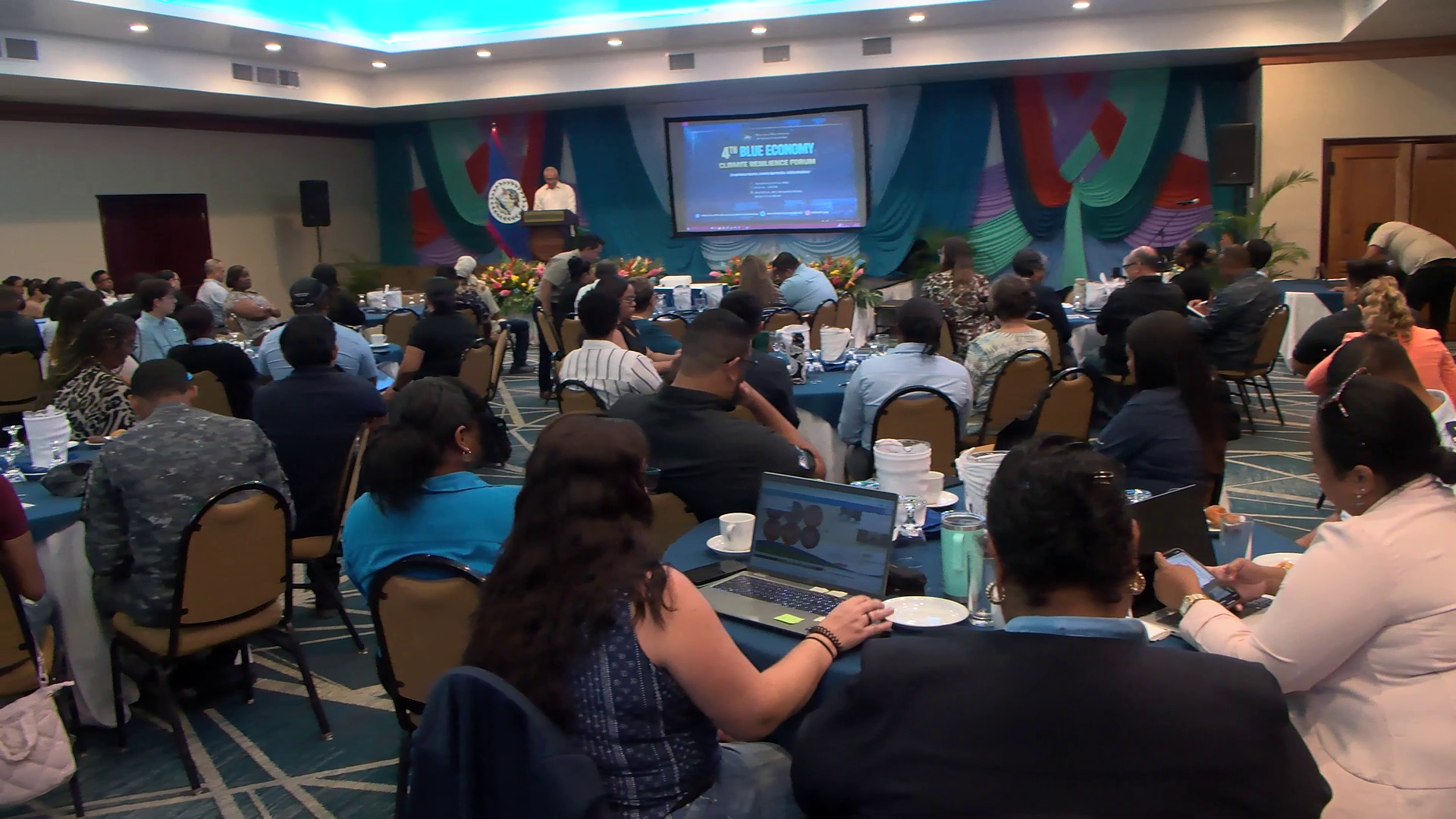
On the morning of June 25, 2026, stakeholders spanning multiple sectors — including government agencies, non-governmental organizations, artisanal fisherfolk groups, and academic research institutions — assembled in Belize for the Fourth Climate Resilience Forum, hosted by the country’s Ministry of Blue Economy and Marine Conservation. The cross-sector gathering was designed to center diverse perspectives on confronting the most urgent coastal and marine threats facing the small Caribbean nation: massive sargassum inundations, accelerating beach erosion, systemic climate change impacts, and steadily rising ocean temperatures that threaten coral reefs and fisheries.
Throughout the day’s discussions, attendees celebrated the tangible progress Belize has already achieved in marine protection and the sustainable expansion of its blue economy, while emphasizing that ongoing cross-stakeholder collaboration and adaptive improvement are critical to protecting the nation’s coastal and marine resources for current and future generations of coastal communities.
Andre Perez, Belize’s Minister of Blue Economy, used his keynote address to spotlight two often-overlooked pillars of effective climate resilience: youth inclusion and technological innovation. “We often say young people are the future, but the future is already here — we are building the foundation of our resilience today,” Perez explained. “That means we need young people as active partners right now, not just an afterthought for coming decades. This work is constantly evolving, so we need fresh, smarter ideas to move forward.”
Perez added that innovation extends far beyond just monitoring ocean conditions, noting that new tools are transforming the fight against illegal, unreported, and unregulated fishing — a persistent threat to Belize’s fish stocks and sustainable fishing livelihoods. Where enforcement once relied almost exclusively on patrol vessels, the ministry is now integrating drone technology into monitoring efforts and expanding cross-stakeholder cooperation. “It’s not just the Fisheries Department patrolling waters alone anymore,” Perez said. “This work has to be a collective effort with every group at the table.”
Beverly Wade, Chief Executive Officer of the Ministry of Blue Economy, outlined the major policy and regulatory advances the government has delivered in recent years. “We have made significant inroads in strengthening the foundational framework for sustainable, inclusive blue economy growth in Belize,” Wade reported. Most recently, the government completed a full review and modernization of national coastal zone management legislation, alongside an update to the country’s integrated coastal zone management plan. Looking ahead, the ministry is moving forward with implementing the Belize Sustainable Oceans Plan, financed in part through blue bonds.
“These updates are critical because they strengthen our overall blueprint for this work, both from the perspective of environmental stewardship and equitable economic development,” Wade added. She also confirmed that the ministry is currently in the consultation phase of revising national fisheries legislation, with the updated framework on track to be finalized by the end of 2026.
This report is based on a transcribed evening television newscast, with any Kriol-language remarks standardized to a consistent spelling system for publication.