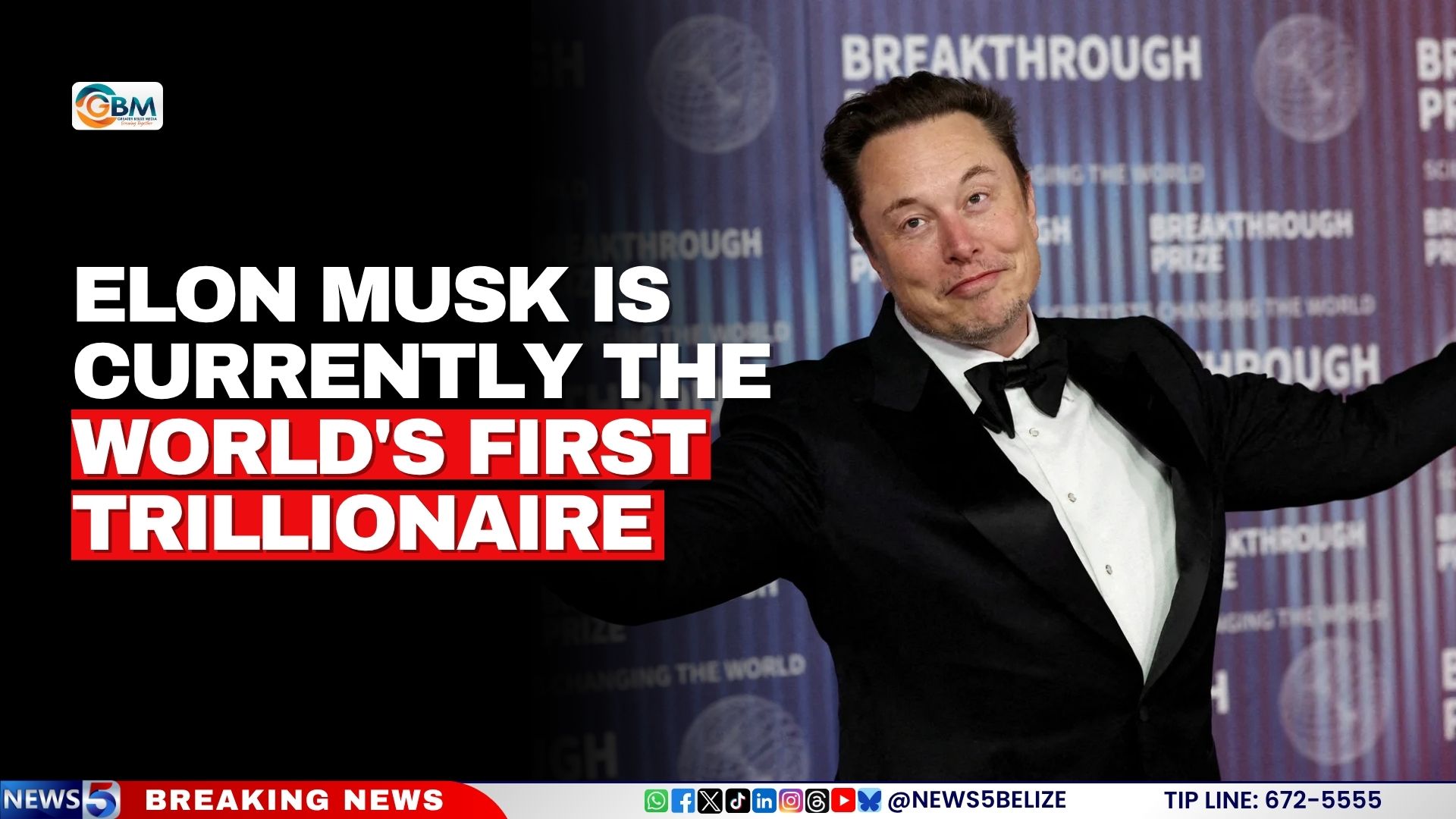
In a landmark milestone that has sent shockwaves through global financial markets, Elon Musk has cemented his place in history as the world’s first person to amass a net worth exceeding $1 trillion, propelled by a stellar first-day trading surge for his aerospace pioneer SpaceX on the U.S. public markets.
SpaceX opened trading on June 10 with an initial public offering (IPO) price set at $135 per share. By the following morning’s early trading window, shares had skyrocketed roughly 20% to hit $162 apiece, pushing the space exploration company’s total market capitalization across the $2 trillion threshold. This jump came amid overwhelming retail investor enthusiasm that saw the stock become the second-most purchased equity on its debut day, trailing only chip and AI giant Nvidia.
Musk holds a 38% controlling stake in SpaceX, which alone is valued at roughly $800 billion at the current traded share price. When combined with his 10% stake in electric vehicle manufacturer Tesla, worth approximately $165 billion, plus his portfolio of other smaller private and public investments, his combined wealth pushed across the once-unthinkable $1 trillion mark for the first time ever. To put this unprecedented fortune in perspective, the entire 2026 national budget of Belize totals just $1.9 billion — Musk’s net worth is more than 526 times that entire national government budget.
Prior to SpaceX’s IPO, financial publication Forbes had already estimated Musk’s net worth at close to $980 billion, meaning only a modest uptick in the company’s share price was enough to push him across the trillion-dollar threshold. In the first 20 minutes of public trading alone, small-scale retail investors injected $18 million into SpaceX stock, underscoring the broad public enthusiasm for the aerospace firm that has revolutionized commercial space launch and NASA crew missions.
It is important to note that Musk’s trillion-dollar status is not held in liquid cash or bank reserves. Nearly all of his wealth is tied up in equity stakes in the companies he founded and leads, and a standard IPO lock-up agreement bars him from selling any of his SpaceX shares for 366 days after the public listing. Market analysts have also issued a cautious note that his historic title hinges entirely on sustained high share prices for SpaceX: a drop in the stock to just $138 per share would pull his net worth back below the $1 trillion mark, erasing his unique status as the world’s first trillionaire.