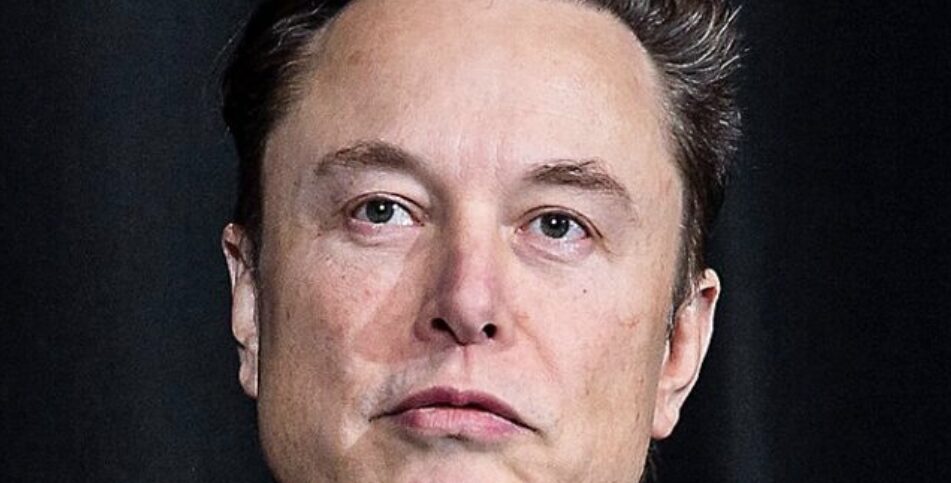
On June 12, 2026, aerospace and technology giant SpaceX wrapped up its long-awaited initial public offering, a momentous milestone that catapulted its founder and CEO Elon Musk into an unprecedented league of wealth: the world’s first individual with a net worth crossing the $1 trillion threshold.
The public market debut triggered an extraordinary wave of investor demand, driving SpaceX’s total valuation to nearly $2 trillion. Market enthusiasm for the company has been anchored in two core assets: its fast-expanding Starlink satellite internet network, which already serves millions of users across the globe, and its audacious long-term space exploration initiatives, including plans to establish the first human settlements on Mars. The IPO surge pushed Musk’s personal net worth to an estimated $1.1 trillion, securing his place as the wealthiest person in recorded human history.
Breaking down the components of Musk’s massive fortune, nearly 70% of his total wealth comes from his 38% ownership stake in SpaceX, which is currently valued at roughly $765 billion. His shares in electric vehicle and clean energy leader Tesla contribute an additional $276 billion, while his smaller stakes in brain-computer interface startup Neuralink and underground infrastructure firm The Boring Company round out the rest of his holdings. To contextualize the scale of this wealth: Musk’s net worth is approximately three times higher than that of the world’s second-richest individual, Larry Page, and matches the entire annual gross domestic product of Switzerland, one of the world’s wealthiest nations by GDP.
This historic milestone has ignited widespread debate across global financial, tech and policy circles. Proponents of Musk frame his achievement as a powerful validation of risk-taking, disruptive innovation and unorthodox entrepreneurial vision, arguing that his work has reshaped multiple industries from electric vehicles to space travel. However, skeptics have raised pointed concerns that SpaceX’s current post-IPO valuation is heavily inflated and disconnected from underlying business fundamentals. For instance, independent analysts at Morningstar have calculated that SpaceX’s fair market value stands at just $78 billion, a figure that is less than 5% of the $1.77 trillion valuation targeted during the IPO process.
Even amid these lingering questions over valuation, Musk’s unprecedented rise to a trillion-dollar net worth underscores the outsize influence that his portfolio of companies now holds over both global financial markets and the trajectory of technological development. This landmark shift in personal wealth concentration does not only reshape the global billionaire ranking and financial landscape: it also brings urgent new scrutiny to whether such extreme valuations can remain sustainable over the long term, and what the broader social and economic impacts are of one individual accumulating financial resources on this unprecedented scale.