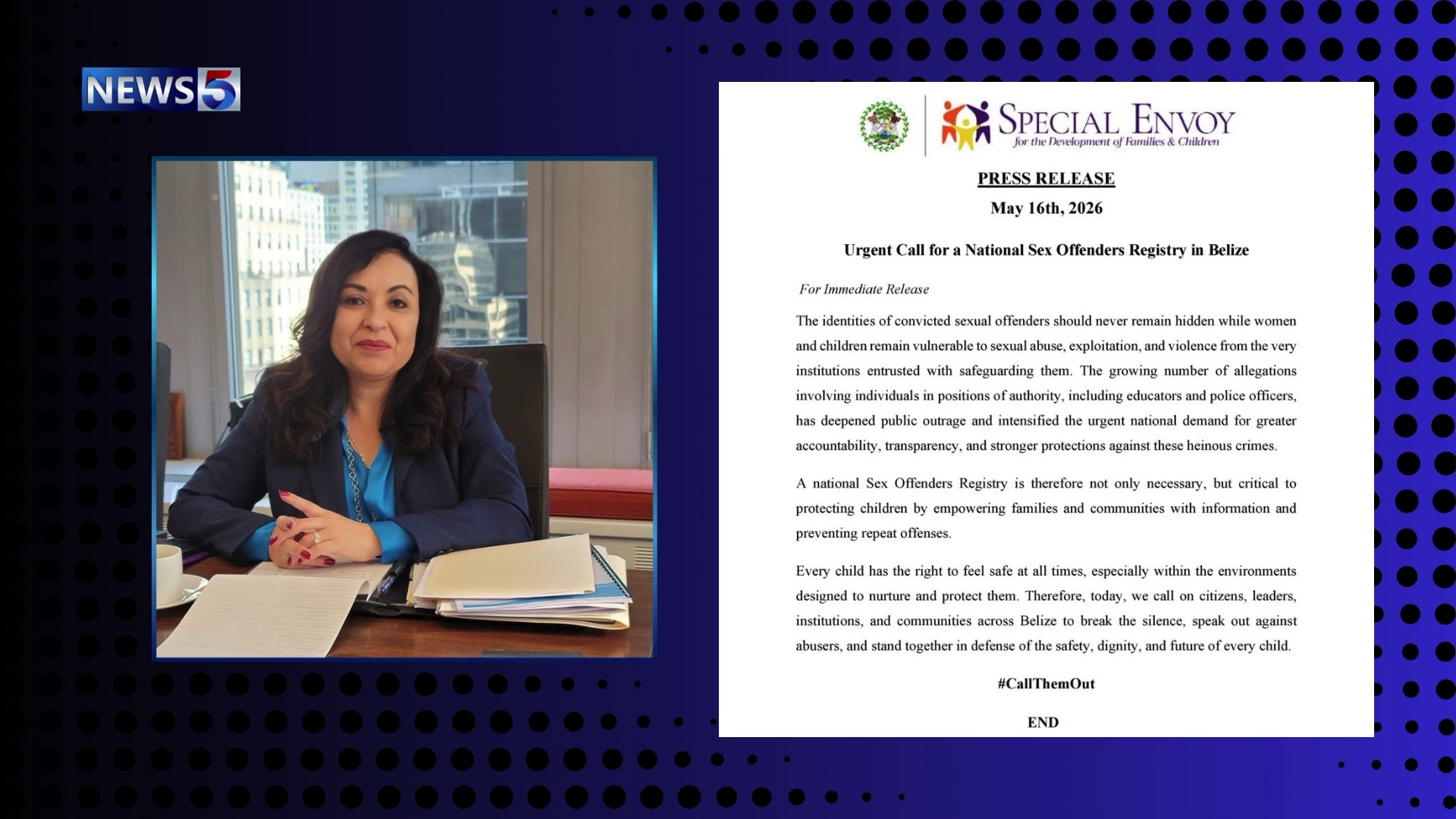
In a swift response to recent public calls for stronger protections against sexual violence, the government of Belize has tabled legislative amendments that would open the country’s existing confidential National Sex Offenders Database to public access. This policy push comes just weeks after Special Envoy Rossana Briceño first formally called for the establishment of a national public sex offender registry, marking a major shift in how the country manages and shares information on convicted sexual offenders.
Kareem Musa, the Minister of Immigration, Governance and Labor, laid out the full details of the proposed changes to Belize’s Criminal Code in a public briefing. Under the new plan, the amendments would overhaul Section 65 of the existing legislation to add new mandatory requirements for courts and offenders alike. When handing down sentences for convicted sexual offenders, courts will now be legally required to order additional offender support and monitoring measures: court-mandated counseling, medical care, and psychiatric treatment, all designed to reduce recidivism rates and address root causes of reoffending.
Beyond treatment mandates, the proposal introduces strict residency reporting rules for all registered sexual offenders. Offenders will be prohibited from changing their place of residence without giving advance formal notification to both the Commissioner of Police and the Director of Human Development. They will also be required to comply with any additional public safety conditions the police commissioner deems necessary to protect local communities.
A core new requirement added under the amended legislation creates a formal mandatory notification system for all convicted sexual offenders. Offenders must submit core identifying and location information to their local district police station, including their full name and residential address. If an offender moves, they are required to file their updated address with authorities within 14 days of leaving their previous residence.
Under the proposed framework, an offender’s information will remain listed on the public registry for a period of 10 years following conviction. The Briceño administration’s move to advance this proposal so quickly after Briceño’s initial call reflects growing public pressure to improve transparency around sexual offender management and enhance community safety across the country.
This report is adapted from a transcribed evening television news broadcast from Belize.