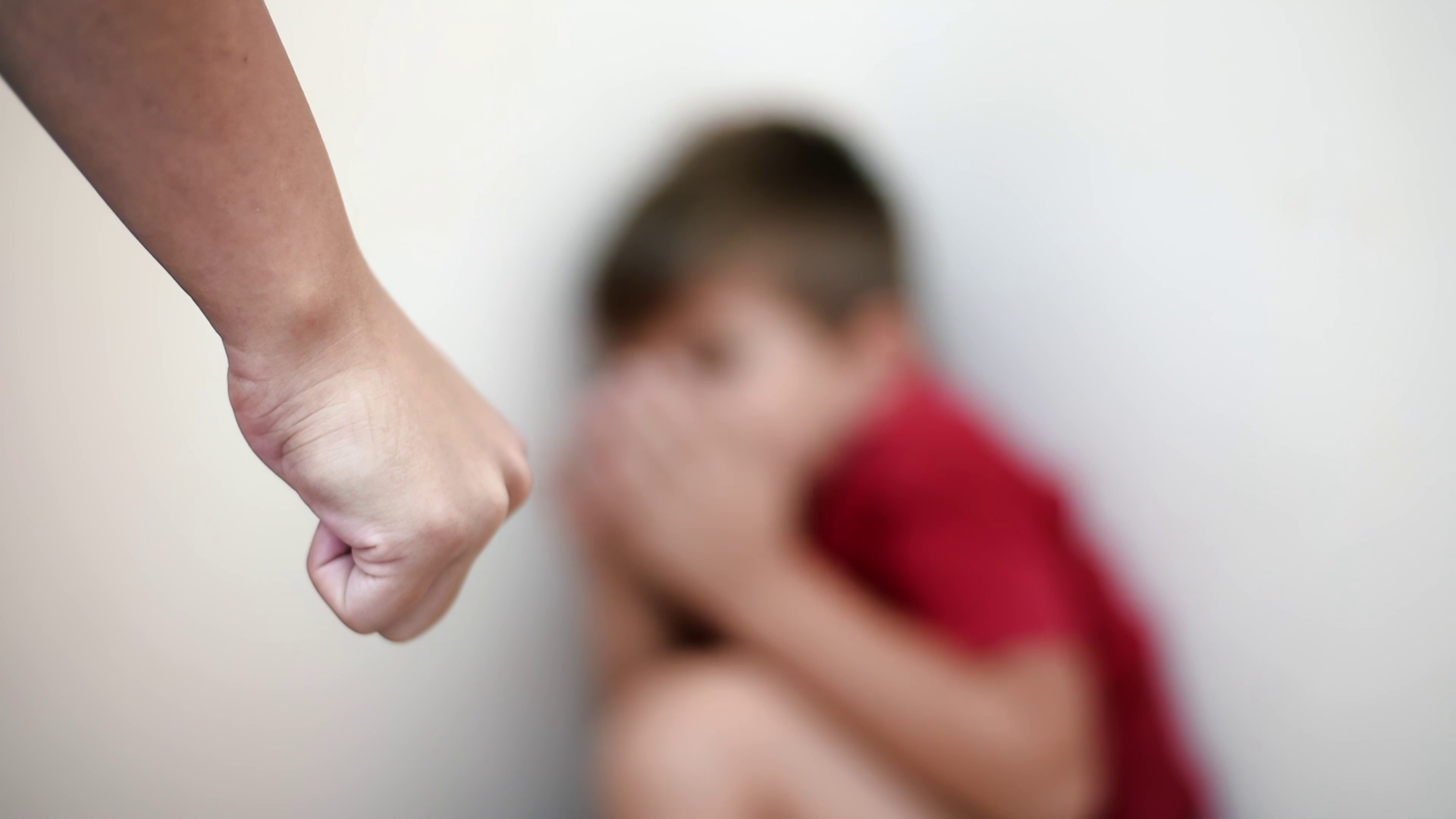
On June 4, 2026, as Belize joins the global community in observing the International Day of Innocent Children Victims of Aggression, the small Central American nation is grappling with an urgent national crisis: a sharp rise in brutal violence targeting minors that has left communities outraged and leaders pushing for systemic change. Just days before the annual observance, two separate shooting incidents across the country left two underage victims wounded, and 15-year-old Rackeem Armstrong fatally killed. Armstrong’s death has ignited nationwide public anger, amplifying long-simmering concerns over the persistent threat of violence and abuse against Belize’s children.
As the nation calls for accountability and protection, UNICEF Belize has added its voice to the urgent push for collective action, emphasizing that this international day of remembrance offers a critical moment to confront all forms of harm to children, not just those caught in cross-border or armed conflict. Michelle Segura-McGann, Child Protection Officer with UNICEF Belize, explained that the day’s original mandate focused on child victims of war, but it has evolved to serve as a global reminder that children everywhere face ongoing harm from abuse, exploitation, neglect, and violence in all its forms – including the community-level gun violence that has recently shaken Belize.
In response to mounting public pressure and rising alarm over recent high-profile cases of child assault and abuse, Belize’s government has advanced a series of targeted policy reforms to better protect young victims and prevent future harm. Two key changes currently moving forward are the establishment of a searchable public sex offender registry and the formal approval of closed-door, in-camera testimony for child survivors of abuse. Caribbean Shores Area Representative Kareem Musa told the nation’s Cabinet that these reforms align with international human rights standards for child protection. Musa noted that both the UN Convention on the Rights of the Child and UN guidelines for justice involving child victims require that the privacy of underage survivors and witnesses be prioritized during legal proceedings, a protection that closed-door testimony is designed to deliver. For the public registry, Musa acknowledged the policy has sparked public debate, but argued that giving families access to information about registered sex offenders will only strengthen community-level safety for children.
These new policy steps build on a national commitment Belize made back in 2024 to prioritize prevention of violence against children, with technical and programmatic support from UNICEF and Belize’s Department of Human Services. The resulting national action plan takes a holistic, inter-agency approach to the crisis, requiring coordinated collaboration across the Department of Human Services, public education system, and national health service to address violence from multiple angles. Segura-McGann emphasized that a unified cross-sector response is the only effective path to reducing harm long-term, as violence against children touches every part of a child’s life and requires engagement across all public systems that serve young people.
Earlier in 2026, UNICEF launched the Blue Teddy Bear initiative in Belize, a targeted training program designed to help frontline workers and community members identify early warning signs of abuse and report suspected cases more efficiently. The program is one of several local interventions aimed at strengthening safeguarding for the nation’s most vulnerable citizens.
Despite these incremental advances, data from UNICEF makes clear that massive gaps remain in protecting Belize’s children. The organization reports that violent discipline remains pervasive across the country, affecting 63% of Belizean children as of 2026 – only a marginal drop from 65% in 2015. UNICEF officials stress that government policy and institutional action alone cannot solve the crisis, and are urging all Belizean communities, families, and individuals to stay vigilant, speak out when they spot signs of abuse, and intervene to protect at-risk children. At its core, they say, protecting children from violence is a shared responsibility that requires action from every member of society.