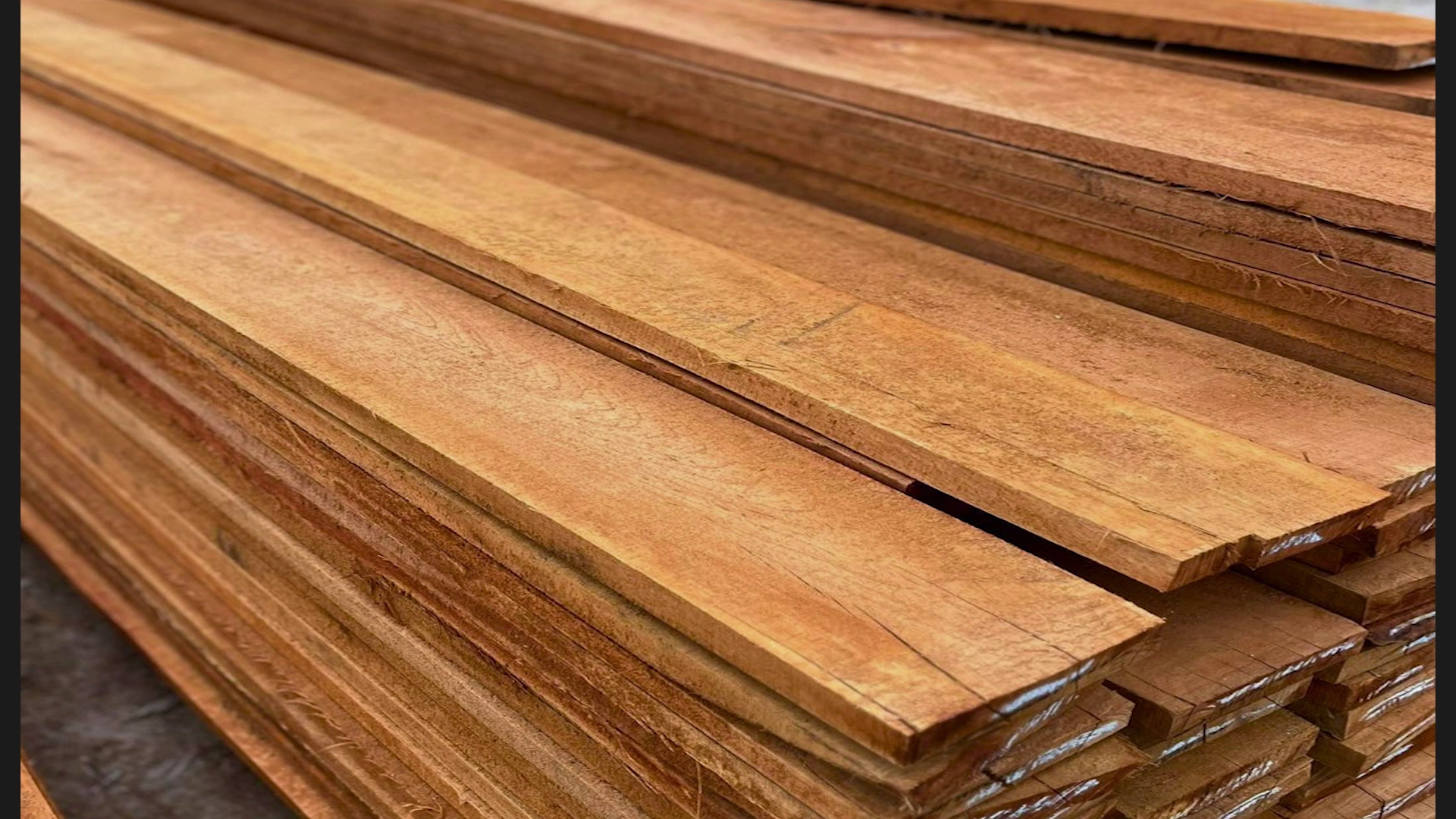
Across Belize, a deepening shortage of high-quality hardwood lumber is evolving from a niche supply chain issue into a major disruption for the country’s residential construction industry, leaving builders scrambling for materials and pushing already-contracted home projects into unplanned delays. What was once a challenge limited to small-scale sawmills has now spread across the national market, with demand for structural hardwood far outstripping available supply at a time when consumer demand for new homes remains steady. Industry insiders say the core of the crisis stems from the near-disappearance of small independent lumber suppliers, the small-scale operations that most local home builders rely on to source the durable hardwood needed to construct hurricane-resistant homes, a critical building standard in the hurricane-prone Caribbean nation.
During an industry gathering in Spanish Lookout focused on the growing crisis, lumber and construction leaders outlined the cascading impacts of the ongoing shortage. Scott Varro, manager of Linda Vista Lumber Yard, emphasized that the supply crunch is not confined to any one region of the country. “There is a struggle to fill lumber orders and lumber needs not just for people around in our area, but it is countrywide,” Varro explained. “We have guys visiting from north to south looking for lumber for building resorts, furniture, you name it. Any kind of lumber need all over, there is definitely a noticeable shortage.”
For home builders like Ronny Plett, manager of Plett’s Home Builders, the shortage has forced uncomfortable delays for customers who have already committed to new home builds. “We actually have multiple homes right now that are on order. There’s a house I was supposed to start today for a customer, and I just can’t source the lumber,” Plett said. He clarified that large-scale logging operations continue to operate in Belize, noting that well-resourced major firms are still able to secure the necessary harvesting permits to access timber reserves. Plett specifically highlighted Bull Ridge Logging’s long-term sustainable concession in the Chiquibul Reserve as a model of responsible logging that aligns with conservation goals. The problem, he stressed, is that local small-scale builders almost never source materials from these large operations: “The big impact on our industry is that we don’t usually rely on the biggest providers. We rely on the smaller individual providers, and they’re the ones who are being shut down now. I’m now having to see where in Belize I’m gonna source this hardwood because hardwood is a much more hurricane secure form of building.”
The shortage has been exacerbated by widespread reports of permit approval bottlenecks for private land logging, even in cases where landowners plan to clear forested area for agricultural use anyway. Multiple landowners and suppliers report that regulatory approvals are being delayed or denied outright, despite government claims that logging permits are still being issued. Orlando Habet, Belize’s Minister of Sustainable Development, pushed back on claims of a de facto logging ban, stating: “We have not stopped the issuance of permits and licenses for the cutting of logs in private lands. So most of them come in as temporary permits because they claim that, one, if they have, let’s say for example fifty acres and they want to log twenty-five out of that, they’re given a permit to log twenty-five acres out of the fifty. These logs are available, so these companies, the saw mills, have to contact these people who are getting the permits.”
But Varro and other industry representatives say on-the-ground experiences tell a far different story, with permit approvals moving extraordinarily slowly even for low-impact harvesting requests. He shared one recent example from just minutes before the interview: “I was just speaking to a gentleman literally fifteen minutes ago who is trying to get a permit approved for private land in San Antonio Village. The owner has forty acres. He’s going to clear it for farming anyway, has nothing to do with Mennonites, right? So it is a private land that needs to be logged, and he’s trying to get permits because he’s going to clear it regardless. Forestry will not sign it. They’re dragging their feet for whatever reason. So this is one of dozens of cases that have happened this season.”
In case after case, the result is valuable hardwood going completely to waste, Varro explained. “Farmers, different landowners trying to extract a few trees and they’re not getting approved. They’re not getting anything done, and so they end up just burning it, right? I’ve spoken to a guy from PG last week, same thing. A few trees, just trying to get it off a small plot. He couldn’t get done. He said by a short while, fire came through and destroyed all the logs. I hear this over and over.”
Habet defended the government’s regulatory approach, framing current restrictions as a long-term investment in the future of Belize’s forestry sector. The government’s current strategy pairs a crackdown on illegal and overharvesting with the Greening Belize Initiative, a large-scale reforestation program that aims to plant one million new trees to secure the logging industry for future generations. For builders and customers waiting on delayed home projects, however, these long-term benefits do little to ease the immediate supply crisis currently roiling Belize’s construction market.