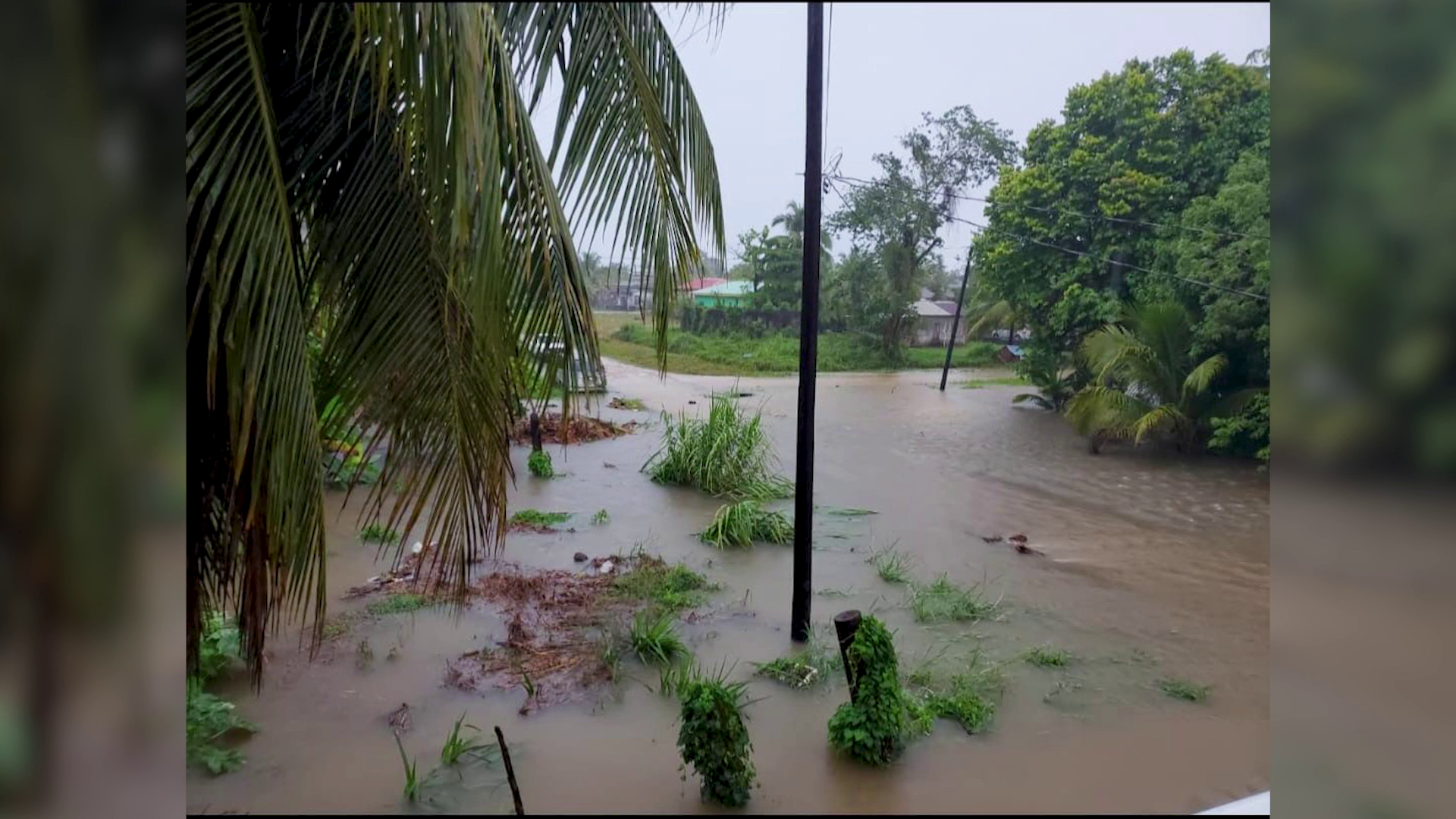
On June 2, 2026, the first heavy seasonal rain of the year brought the coastal Belizean town of Punta Gorda (locally known as Peini) to a complete standstill. Rising floodwaters submerged neighborhood streets across the community, forcing local businesses to suspend operations and closing all public schools, leaving residents to navigate waist-deep or chest-deep water to travel between areas. Even low-lying districts that rarely experience flooding, including the busy Cayetano Street corridor, were completely underwater by the morning after the rainfall, according to local accounts. As floodwaters gradually begin to recede, the initial phase of cleanup is getting underway, but public scrutiny is already growing over the avoidable factors that turned a routine seasonal rain event into a full-blown public disruption. Longtime environmental advocate Wil Maheia, a Punta Gorda resident, is pushing back against the common narrative that frames the flood as an unavoidable consequence of climate change. Instead, he argues that systemic municipal negligence and lax community regulation are the primary causes that amplified the disaster. Maheia explained that for years, the town has faced predictable early-June rainfall, giving local leaders months of dry season to prepare. Yet in the half-year leading up to this 2026 rainy season, the town’s drainage infrastructure was completely neglected by the Punta Gorda Town Council. With no regular maintenance, residents began dumping general garbage into the empty drains, turning the critical water runoff systems into blocked debris traps. When heavy rain finally arrived, the accumulated garbage acted as natural dams, preventing water from draining and forcing floodwater to overflow onto public streets. Compounding the problem, Maheia noted that the town council already holds authority from Belize’s national Department of Environment to issue fines for illegal littering. To date, not a single penalty has been handed down to violators, creating a culture of tolerance for improper waste disposal that directly contributes to clogged drainage. “It is time for our country to stop hiding behind climate change as an excuse for poor governance,” Maheia stated. He called on the national Department of Environment to intervene, pushing the municipal government to enforce existing littering regulations and complete long-overdue drain maintenance ahead of future rainy seasons. The disruption has left many local residents questioning what more could have been done to prevent the widespread damage and disruption, with growing calls for greater accountability from local elected leaders ahead of the next rainy season. This report is adapted from a transcript of a televised evening newscast.