As global momentum behind the movement for colonial and slavery reparations continues to build, Russia has announced it stands ready to offer technical and research support to African countries seeking to quantify historical damages for restitution claims. The announcement came via Irina Abramova, director of the Institute for African Studies at the Russian Academy of Sciences, during a press conference focused on unpacking the long-lasting harms of colonial rule.
Per an official release from the African Initiative research project, Abramova outlined a proposed collaborative framework that would bring together cross-disciplinary experts from both Russia and Africa. Teams of Russian mathematicians, data programmers, historians, and economic analysts would partner with African researchers to systematically document, measure, and build evidence for the economic and social damage inflicted during centuries of colonial exploitation and the transatlantic slave trade. The end goal of this joint work is to produce substantiated, evidence-based calculations of reparations amounts that African nations can use to back legal claims in major international forums.
Abramova emphasized that rigorous, well-documented numerical analysis and verified historical records are non-negotiable foundations for any successful reparation claim against former colonial powers. Without this concrete evidence, efforts to secure compensation face far higher barriers to being taken seriously on the global stage.
She also clarified Russia’s position in the global reparations movement, noting that Moscow did not launch or lead the current push for restitution. Russia has long held the stance that solutions to Africa’s historical and contemporary challenges must be led by African stakeholders themselves. Abramova pointed to the existing African Union Reparations Committee, chaired by former Ghanaian president John Dramani Mahama, as the central coordinating body for the movement aligned with this principle.
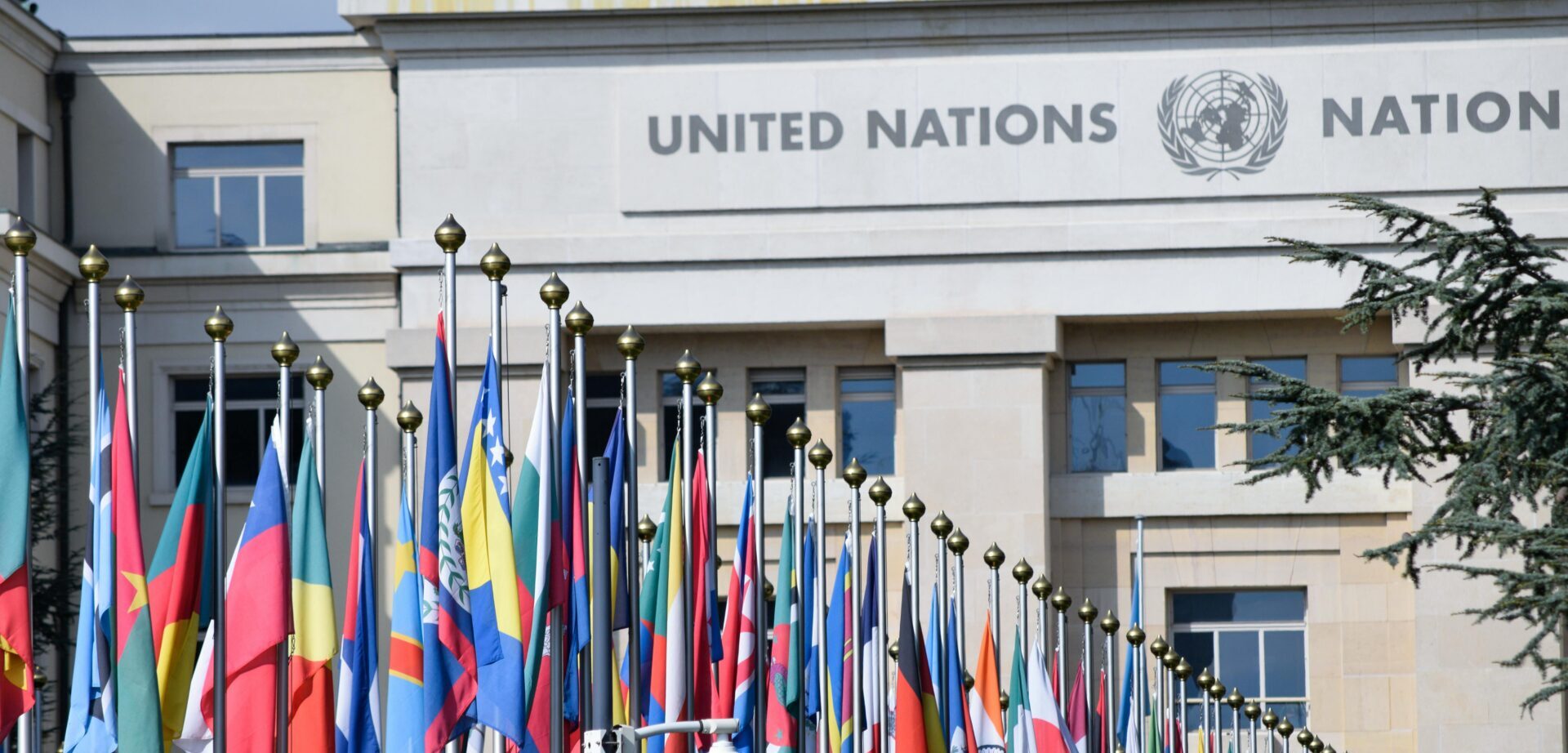
Abramova’s remarks come just two months after a landmark United Nations General Assembly vote held in March 2026, where member states took a historic step to formally classify the transatlantic slave trade and system of racialized chattel slavery as “the gravest crime against humanity” in global history. The resolution passed with 123 votes in favor, a strong majority that signaled growing global recognition of the historical injustice. However, the vote also exposed deep divides among Western nations: all 27 European Union member states and the United Kingdom abstained from the vote, while the United States, Israel, and Argentina voted outright against the resolution’s acknowledgment of the crime.