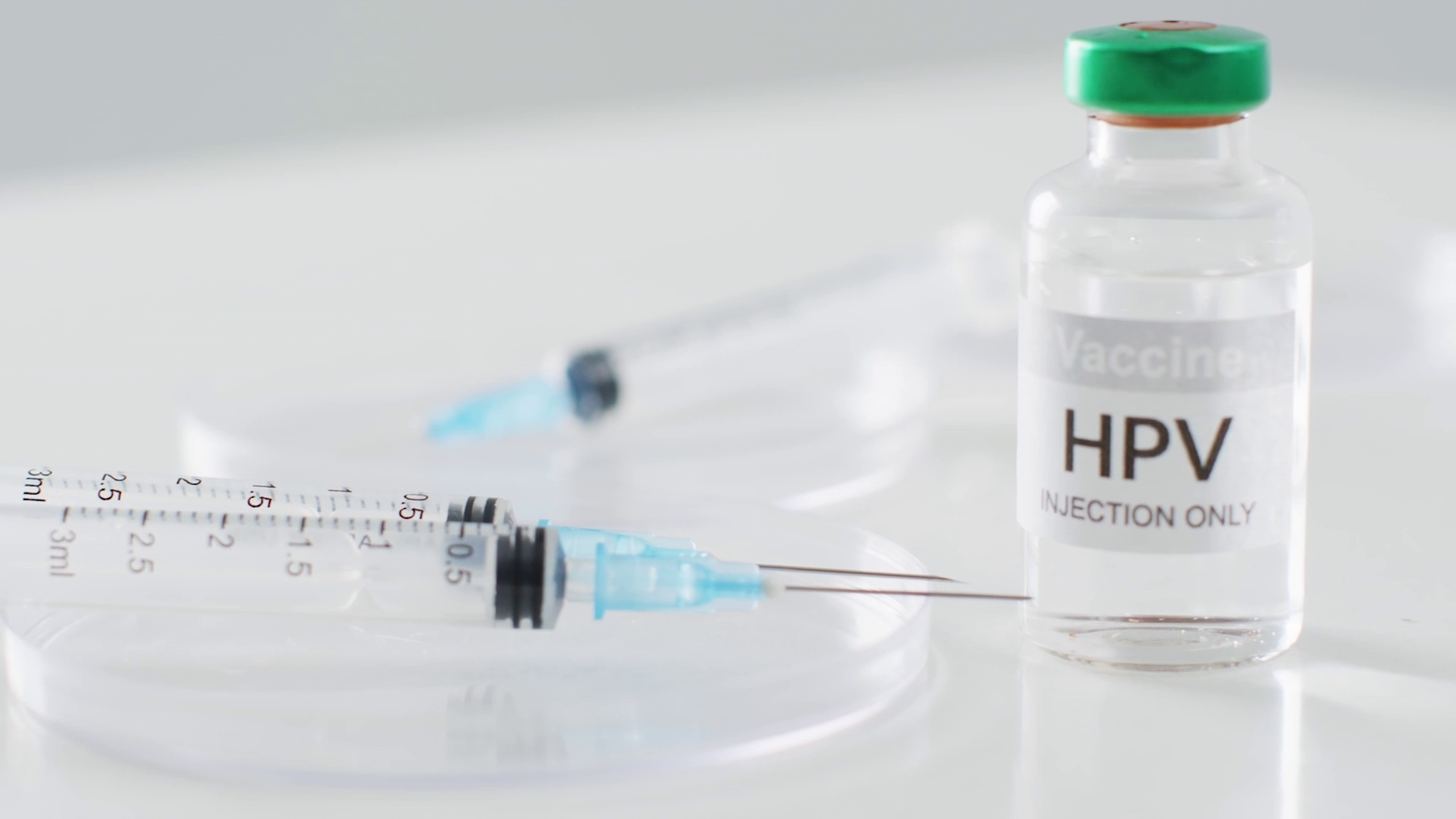
A public conflict over school-based HPV vaccination access has erupted in Belize, pitting the Catholic Diocese of Belize City and Belmopan against public health leaders and cancer advocates in a debate over conflicting policy stances and competing accounts of the church’s long-held position. The controversy began in early May 2026, when Diocesan Administrator Father Jordan Gongora issued an internal memo banning HPV immunization programs from all diocese-run Catholic school campuses, claiming the prohibition stretched back to the tenure of former Bishop Dorrick Wright. The memo instantly drew pushback from both the Belizean Ministry of Health and the Belize Cancer Society, which produced archived official documents that directly contradict Father Gongora’s narrative.
The most damning evidence is a 2016 formal letter, signed by both Bishop Wright and Auxiliary Bishop Christopher Glancy, that formalizes a formal partnership between the Catholic Church and public health authorities to deliver HPV vaccines on Catholic school grounds. The agreement centered on core guardrails: mandatory informed parental consent, targeted parent education about the vaccine, and full respect for families that chose to opt their children out of the program. At no point did the 2016 document ban on-campus vaccination; instead, it explicitly endorsed the church’s participation in the public health initiative. Ministry of Health officials confirm that the school-based program has operated smoothly in Catholic primary schools across Belize for nearly a decade, reaching thousands of at-risk students without incident.
Dr. Natalia Beer, a technical advisor for Belize’s Ministry of Health and Wellness, emphasized that school-based immunization campaigns are among the most effective public health tools for increasing HPV vaccination coverage globally. She noted that removing the program from school campuses would create unnecessary barriers for low-income and working families, who would face lost work hours, additional transportation costs, and logistical hurdles to accessing the vaccine at off-site health clinics. “The school is a safe environment,” Beer explained. “When working parents have to take time off to travel to a clinic for an appointment that could be completed in minutes on campus without interrupting classes, it creates avoidable costs and barriers that stop many children from getting protected.”
In a subsequent public statement, the diocese has asserted that decisions around HPV vaccination should be left to parents in clinical settings, where families can consult directly with trusted medical providers to give informed consent. The institution has so far declined to address the core contradiction between its new policy and its 2016 written agreement, nor has it clarified what prompted the apparent shift in position. The diocese’s silence has left unresolved critical questions: was the initial ban issued by Father Gongora a simple administrative oversight that overlooked the church’s own archival records, or is the church actively rolling back a decade-long progressive public health partnership to align with a more restrictive stance on reproductive health?
As the debate drags on, public health advocates warn that any disruption to the school-based HPV vaccination program could have long-term consequences for public health in Belize. The HPV vaccine is globally recognized as the most effective preventive tool against cervical cancer, a disease that kills more than 300,000 women worldwide annually, with disproportionate impact on low- and middle-income countries like Belize. What began as a quiet internal memo has now evolved into a high-stakes public fight over factual accuracy, institutional accountability, and access to life-saving preventive care for Belizean schoolgirls.