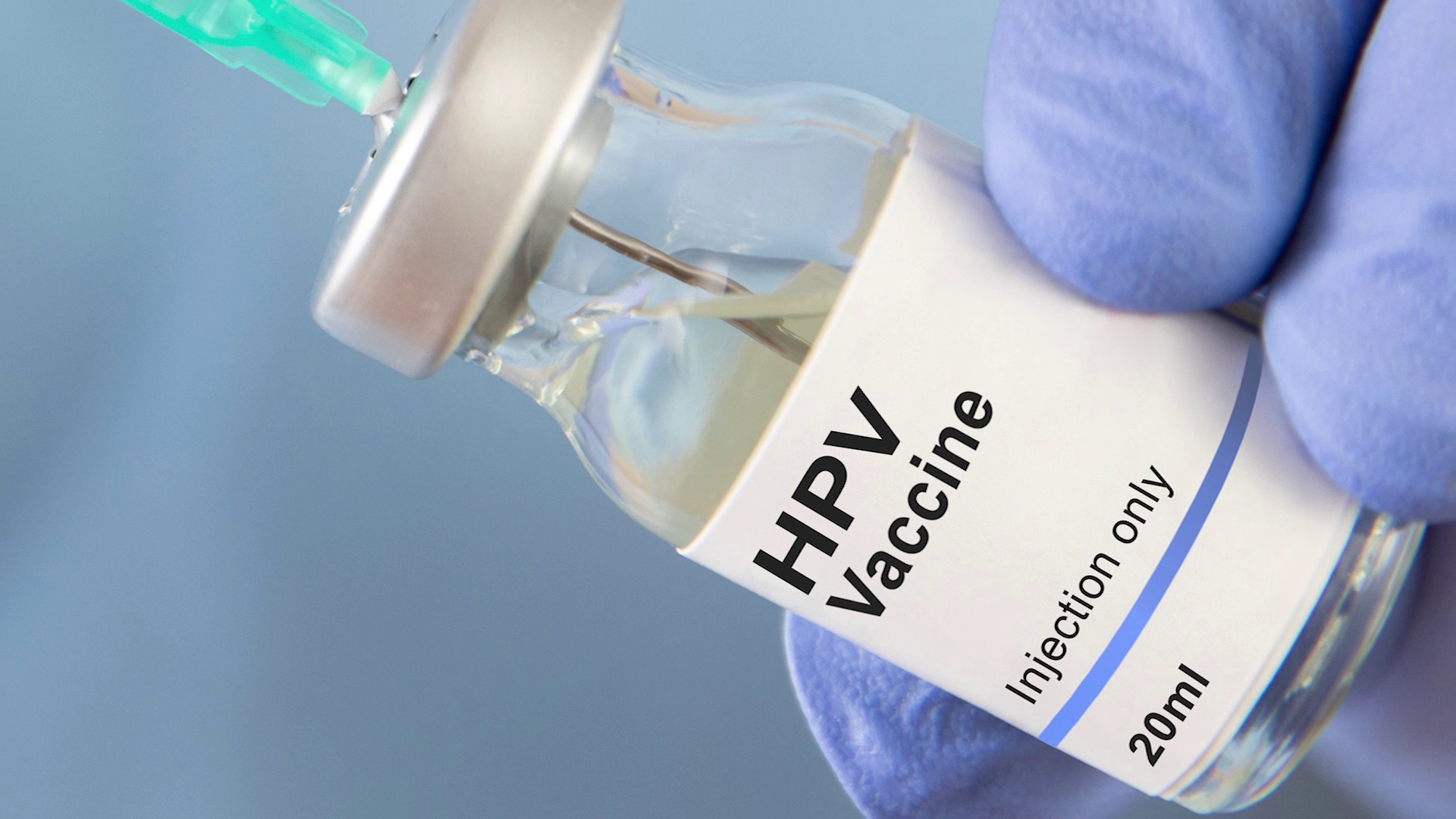
As public health officials and cancer advocacy groups sound the alarm over a controversial decision to remove HPV vaccination access from Catholic schools, new clinical data is underscoring the deadly, long-term consequences that low vaccination rates could bring to communities. This warning, delivered by senior health advisor Dr. Natalia Beer in a May 14, 2026 public address, draws a direct line between missed vaccination opportunities and rising rates of preventable, life-ending cervical cancer.
The public health messaging from the nation’s Ministry of Health and Wellness makes clear that the HPV vaccine, available for just $20 per dose, is proven to block nearly all cases of cervical cancer and a wide range of other HPV-related malignancies. The cost of preventing a single case of cancer is vastly lower than the devastating financial and human costs of treating advanced disease: the ministry notes that late-stage cervical cancer treatment can run families as much as 50,000 Belize dollars, a price tag that is out of reach for most low- and middle-income households, and even with that investment, survival is not guaranteed.
Dr. Beer, who serves as a technical advisor to the Ministry of Health and Wellness, pointed to recent real-world clinical data to back up the urgent warning. During a routine oncology outreach clinic held in April 2026, specialists evaluated 19 women diagnosed with cervical cancer. Of those 19 patients, just one was born in an age range that would have made her eligible to receive the HPV vaccine after the national immunization program launched in 2016. Even that one eligible patient was never vaccinated, joining the 18 other older patients who were never offered the shot in their youth.
In personal remarks, Dr. Beer framed the risk in clear, personal terms: when comparing her own unvaccinated status to that of a young girl who received the vaccine earlier this year, she noted that she faces a far higher lifetime risk of developing cervical cancer, simply because she never had access to the preventative shot. Protection is strongest when the vaccine series is completed before an individual becomes sexually active and is exposed to HPV, the virus that drives nearly all cervical cancer cases.
Since the national HPV immunization campaign launched in primary schools back in 2016, the Ministry of Health and Wellness reports that more than 46,100 doses have been administered across the country. Public health experts have repeatedly confirmed that this school-based distribution model is one of the most effective ways to reach young people before they are exposed to the virus, cutting population-level cancer rates drastically over time. Removing access to the vaccine in Catholic schools, advocates and health officials warn, will directly drive down vaccination coverage, leading to a predictable rise in cervical cancer incidence and preventable deaths in coming decades.
“Low vaccination coverage is equal to higher incidence of morbidity and mortality due to cervical cancer, a vaccine-preventable cancer,” Dr. Beer emphasized. This report is a transcript of an evening television newscast covering the public warning.