As Suriname grapples with a growing Chikungunya outbreak, the Suriname Red Cross has rolled out a structured, community-focused response program to curb transmission and protect at-risk populations, according to the organization’s director general Glenn Wijngaarde.
The initiative, which launched in early March and will run through the end of July, prioritizes public education, preventive action, and targeted support for vulnerable groups across the country’s highest-risk districts, including the capital district Paramaribo, Commewijne, and Nickerie. Among the populations receiving heightened attention are pregnant women, children, older adults, and school communities, which face greater potential complications from the viral infection.
A core pillar of the program is eliminating breeding sites for the Aedes aegypti mosquito—the primary vector that carries the Chikungunya virus. Red Cross volunteers are conducting door-to-door outreach across affected communities to raise awareness about how maintaining a clean living environment and eliminating standing water can cut down on mosquito populations. Complementing these on-the-ground efforts, the organization is also running widespread public awareness campaigns through traditional media and social media platforms to reach broader audiences.
Chikungunya is transmitted by the same mosquito species that spreads two other major tropical viruses: dengue and Zika. The transmission cycle begins when an uninfected mosquito bites a person already carrying the virus, then carries the pathogen to other healthy individuals through subsequent bites. This is why eliminating mosquito breeding grounds—primarily pools of standing water where the insects lay their eggs—is the most critical step in slowing and stopping outbreak spread.
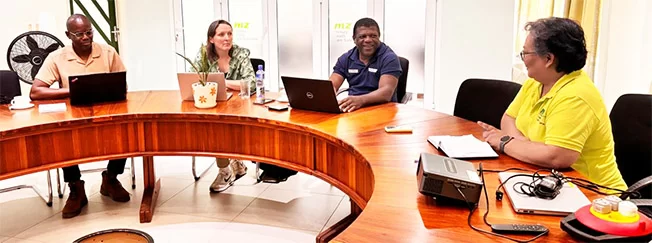
To ensure the response is coordinated and efficient, the Suriname Red Cross is working closely with national public health authorities. The organization holds regular coordination meetings with the National Chikungunya Working Group to align activities, share data, and avoid duplication of efforts across response teams. The entire emergency response operation is funded by the International Federation of Red Cross and Red Crescent Societies (IFRC), the global body that supports national Red Cross societies in delivering humanitarian and public health action.