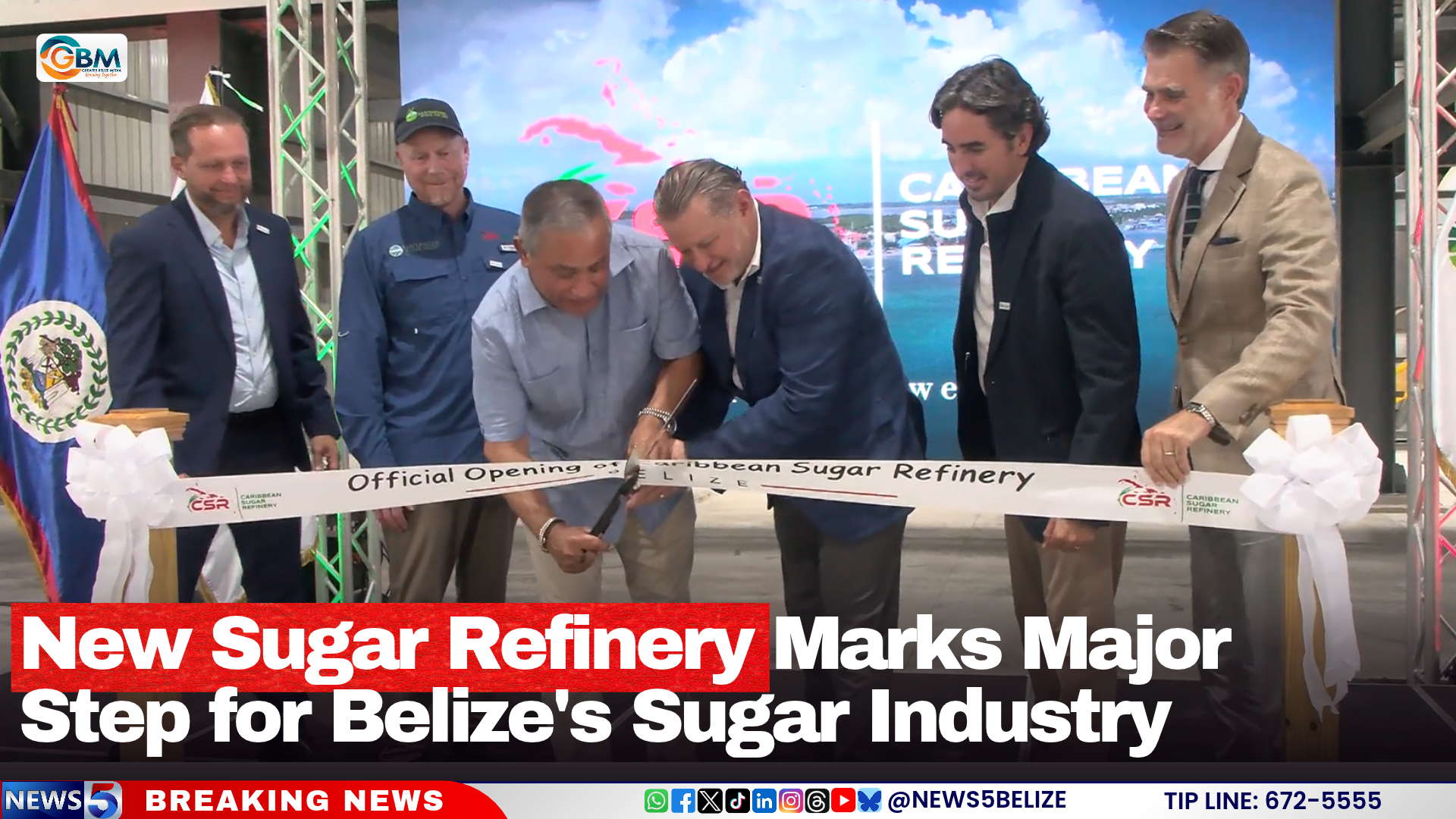
On November 22, 2026, Belize formally ushered in a landmark milestone for its decades-old sugar industry, as the $20 million Caribbean Sugar Refinery, backed by investment from the Santander Group, moves toward full operation to redefine the nation’s position in regional agricultural value chains. For generations, Belize’s sugarcane farmers and producers have been confined to exporting low-margin raw sugar, which was shipped overseas for third-party refining before the final refined product re-entered Caribbean consumer and industrial markets. This new facility eliminates that longstanding structural gap, processing domestically harvested raw sugar directly into food-grade white sugar tailored for the 15-nation CARICOM regional trade bloc. Belizean Prime Minister John Briceño emphasized that the project represents a deliberate strategy to retain more economic value at home, rather than ceding refining profits to external operators. “Every dollar we capture by adding value to our raw agricultural commodities circulates back to local households, small businesses, and public services, rather than leaving our national economy,” Briceño stated. The prime minister also noted that the government has already conducted targeted diplomatic outreach to CARICOM member states to leverage the bloc’s single market rules, which mandate that regional nations prioritize purchasing locally produced goods when domestic supply meets full market demand. This regulatory framework creates a guaranteed, preferential customer base for Belize’s new refined sugar output, eliminating the volatility of competing on global commodity markets where heavily subsidized “dump sugar” from non-regional producers often undercuts small Caribbean suppliers. The refinery also unites Belize’s historically separate northern and western sugar production ecosystems, aligning harvest schedules, quality control standards, and distribution networks to scale total output to meet full regional demand. Local industrial manufacturers, including beverage, baked goods, and confectionery producers, will no longer need to import refined sugar from outside the Caribbean, cutting their logistics costs significantly while supporting domestic supply chains. For smallholder sugarcane farmers, the project delivers tangible financial uplift: instead of earning revenues tied to depressed global raw sugar commodity prices, they will now access a share of the higher margins generated by refined white sugar sales to the regional market, while reduced cross-ocean shipping costs for finished products will further boost their net per-ton earnings. Dan Gutierrez, a lead consultant for the Caribbean Sugar Refinery initiative, noted that the facility fills a gap that has stifled Caribbean food manufacturing competitiveness for 40 years, as nearly all regional industrial food producers previously sourced refined sugar from as far away as Latin America or Europe. Gilbert Canton, a refinery management team member and general manager of Valley of Peace Farms, explained that the shift from global raw sugar pricing to protected CARICOM refined sugar pricing will insulate thousands of Belizean farming households from the unpredictable swings of international commodity markets that have triggered periodic industry crises in past decades.