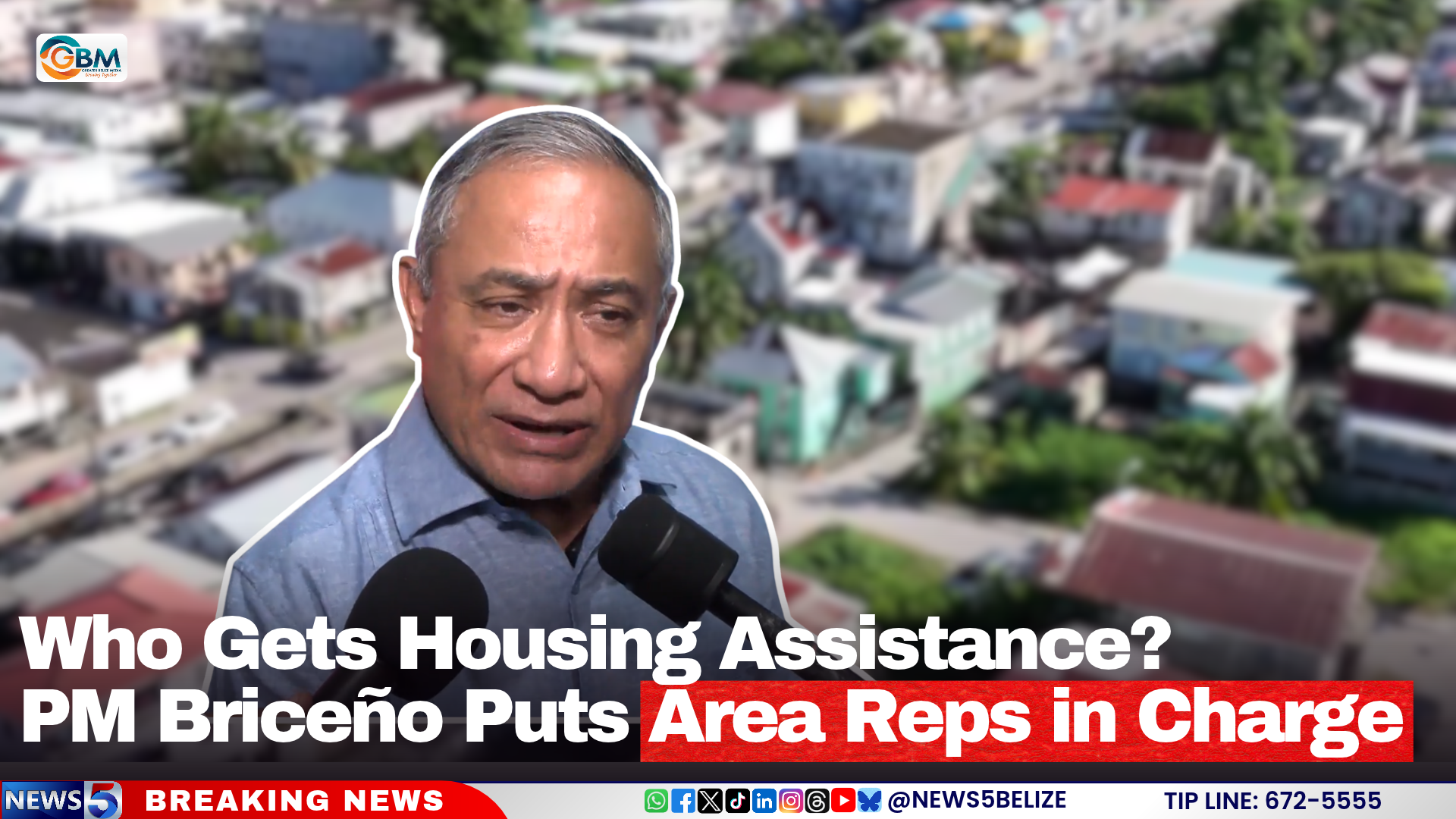
On November 22, 2026, Belize’s Prime Minister John Briceño unveiled a new governance framework for a freshly allocated $3 million national housing assistance program, tasking elected area representatives and their local community committees with full authority to vet, select and distribute support to eligible residents across the country. Briceño defended the administrative model during a public announcement, noting that constituency-level elected officials have unrivaled on-the-ground familiarity with their communities, making them the most qualified stakeholders to identify households facing unmet housing needs. The dedicated pool of public funds is earmarked exclusively for small-scale home upgrades and essential repair materials, covering costs for fixes including broken window replacements, drainage system maintenance, exterior painting and other minor residential improvements. The program explicitly excludes coverage for large-scale construction overhauls or full roof replacement projects to stretch resources to as many low-income households as possible. “No one is more embedded in the daily realities of our communities than the area representatives who walk the streets, meet their constituents week in and week out, and understand exactly which families are struggling to keep their homes safe and functional,” Briceño emphasized. To mitigate misuse of public funds, the prime minister confirmed the program will adopt the same rigorous accountability protocols applied to the longstanding Constituency Development Fund: every area representative will be required to submit full, verified receipts for all disbursed funds before they are approved to access subsequent tranches of their allocated budget. “Every dollar in this fund comes directly from Belizean taxpayers, and we have a non-negotiable responsibility to direct every cent to the families that need it most,” Briceño added. The announcement has drawn public pushback from the Public Service Union (PSU), however, with union president Dean Flowers raising formal concerns over the decision to bypass central government administrative structures for the new program. Flowers argued that delegating full distribution authority to elected representatives creates unnecessary transparency risks, and insisted the $3 million housing pool should instead be managed and administered centrally through the official Ministry of Housing public service apparatus. “Placing this sizeable allocation directly in the hands of elected officials, rather than the established, non-partisan government public service system, sets a dangerous precedent,” Flowers stated, while publicly questioning the lack of formal, published eligibility criteria for residents seeking access to the housing support.