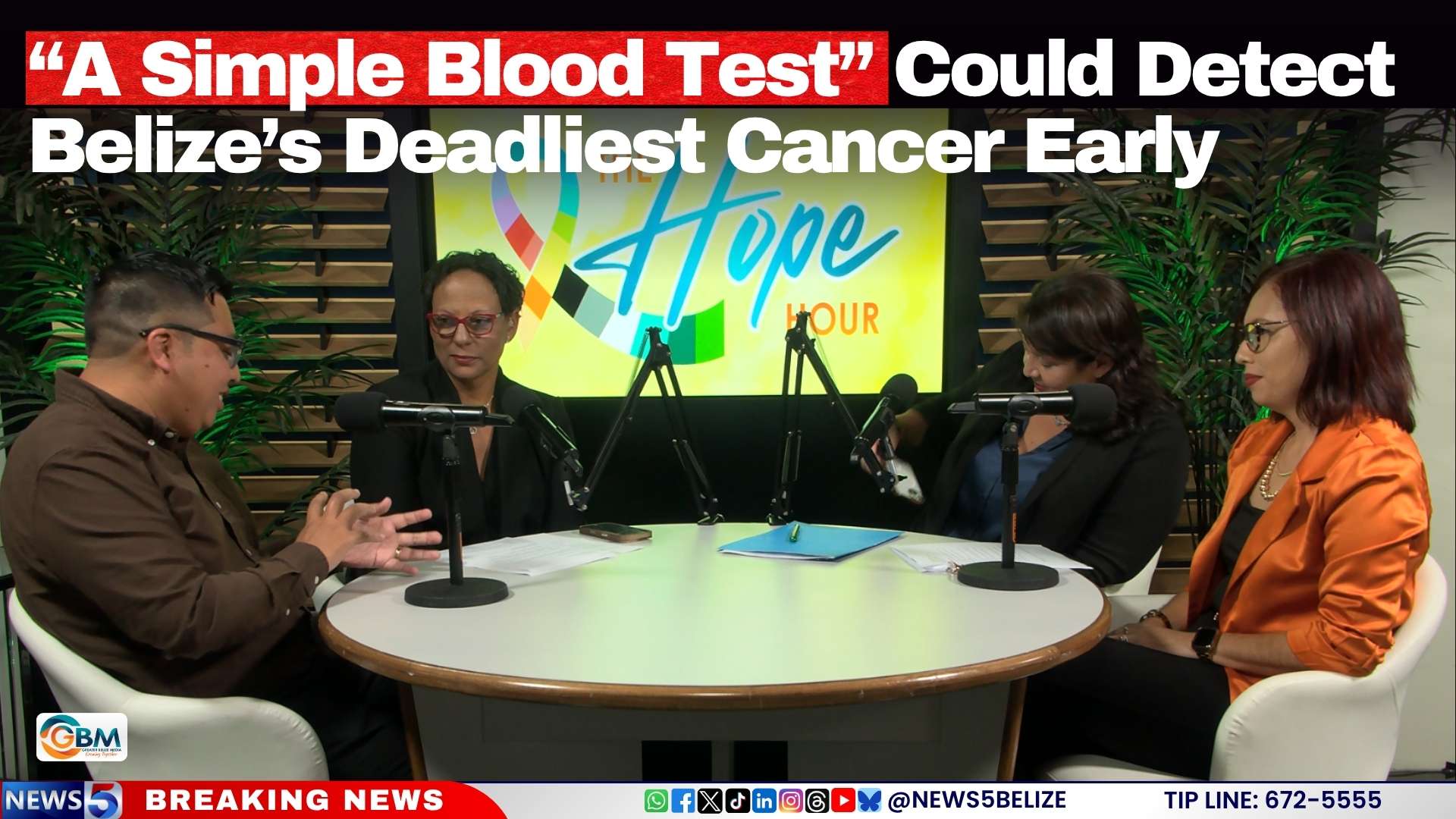
In a recent broadcast of Greater Belize Media’s public health series *The Hope Hour*, top Belizean medical authorities sounded the alarm over a hidden cancer mortality trend that has flown under the national public health radar for years. While aggregated five-year diagnostic data ranks breast cancer as the most frequently detected cancer across Belize, followed by cervical, prostate, lung, and colon cancer respectively, mortality statistics paint a far more concerning picture: prostate cancer is the undisputed leading cause of cancer-related death in the Central American nation.
Dr. Melissa Diaz-Musa, Director of Belize’s Public Health and Wellness department, shared the stark epidemiological data during the program’s premiere episode, noting that the gap between diagnosis rates and fatality outcomes points to systemic barriers to early detection for the male population. The country’s sole practicing oncologist, Dr. Ramon Yacab, elaborated on the root of this disparity, citing deeply entrenched cultural norms and widespread health anxiety that deter men from seeking routine preventive care. “For generations, Belizean men have been socialized to prioritize their roles as primary household breadwinners over personal health checkups, and many carry a pervasive fear of receiving a life-altering negative diagnosis that leads them to delay care until symptoms become unbearable,” Dr. Yacab explained. He added that the vast majority of prostate cancer patients who present at public health facilities do so only after the disease has reached advanced, far less treatable stages, often marked by severe pelvic pain.
Dispelling a pervasive common misconception that has long discouraged men from screening, Dr. Yacab emphasized that prostate cancer monitoring does not need to begin with the invasive digital rectal exam that many men fear. Instead, the standard first-line screening tool is a quick, low-impact simple blood test that measures levels of prostate-specific antigen (PSA) in the bloodstream. National public health guidelines recommend that all men start annual PSA screening at age 50, while those at elevated risk – including men of Afro-Caribbean descent and anyone with a documented family history of prostate cancer – are advised to begin annual testing as early as 45. Crucially, the full PSA blood test is offered at no out-of-pocket cost at every public health facility across Belize, removing financial barriers to access for low-income communities.
*The Hope Hour*, the public health awareness program that debuted the guidance, airs every second Monday from 7:30 PM to 8:30 PM local time, with free live streams accessible via the News 5 Live Facebook page and Greater Belize Media’s official YouTube channel, making critical preventive care information available to audiences across both urban and remote rural communities in the country.