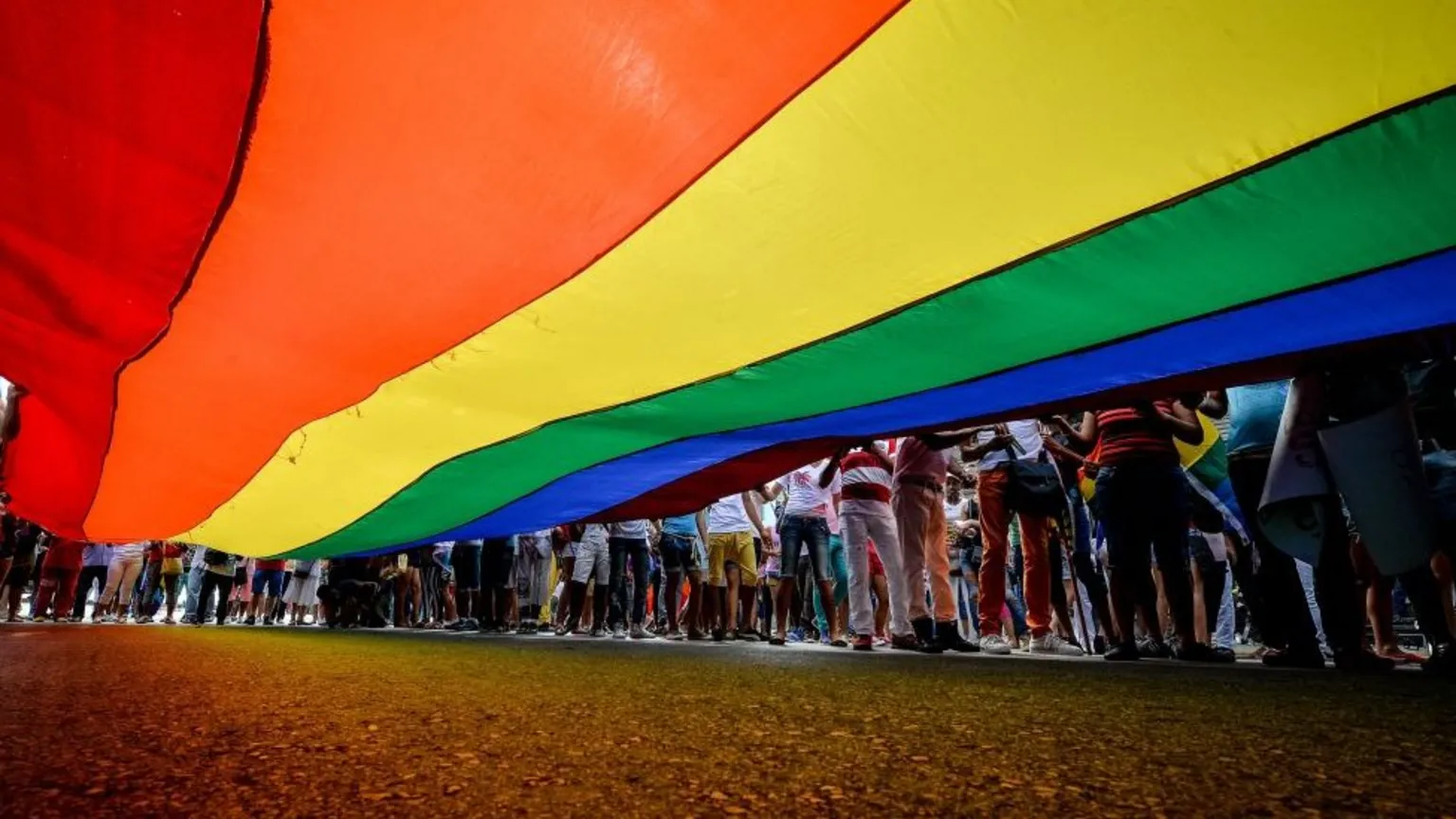
LONDON – November 10, 2026: In a historic, unanimous judgment that reshapes the landscape of LGBTQ human rights across the Caribbean region, the Judicial Committee of the Privy Council – Trinidad and Tobago’s highest appellate court – has ruled that two sections of the country’s 1986 Sexual Offences Act criminalizing consensual adult same-sex intimacy violate core constitutional guarantees of personal dignity and privacy. The five-judge panel, led by Lord Sales and Lord Burrows with concurrences from Lord Reed, Lord Briggs, and Lady Rose, delivered the watershed decision in the long-running case *The Attorney General of Trinidad and Tobago and others v. Jason Jones*, upholding the core 2018 High Court ruling that favored plaintiff Jason Jones while overturning a prior partial reversal from the Trinidad and Tobago Court of Appeal. Jones, a gay Trinidadian national, first launched his legal challenge after enduring years of targeted harassment, employment discrimination, and physical violence tied to his sexual orientation, testifying that the lingering threat of arrest, prosecution, and criminal penalty under the colonial-derived statutes had left him in a constant state of debilitating anxiety and fear for his personal safety. The contested provisions, Sections 13 and 16 of the 1986 Sexual Offences Act, criminalized acts of buggery and “serious indecency” between consenting same-sex adults, penalties that trace their origins to British colonial governance in the Caribbean. During proceedings, the Office of the Attorney General of Trinidad and Tobago had mounted a two-pronged defense of the laws: first, that the statutes were shielded from constitutional review under 1976 constitutional “savings clauses” designed to preserve pre-independence legislation, and second, that the laws reflected deeply rooted local cultural traditions and should only be assessed against the social context that prevailed at the time of the 1986 Act’s passage. The Privy Council panel rejected both arguments outright. The judges emphasized that the 1986 legislation represented a full, deliberate revision of the country’s entire sexual offenses legal framework, rather than a passive carryover of leftover colonial rules, and thus did not qualify for the pre-1976 law immunity the government had claimed. The court further ruled that constitutional rights assessments cannot be frozen in time to 1986, and must instead be evaluated against the contemporary social context in which an individual’s fundamental rights are alleged to have been violated. The panel found that the state had presented no credible evidence to demonstrate that the criminalization of private, consensual same-sex intimacy served any legitimate public purpose aligned with modern Caribbean societal values, and that the severe infringement on Jones’ right to form intimate, consensual relationships – a core component of constitutionally protected private and family life – could never be deemed reasonable or justifiable in a democratic society committed to upholding individual human freedoms. While the core constitutional questions have now been fully resolved in Jones’ favor, the Privy Council has not yet released its formal final remedial order. The court will accept additional written submissions from all involved parties – including intervening stakeholders ranging from Trinidad and Tobago’s Equal Opportunity Commission and the Trinidad and Tobago Council of Evangelical Churches, to regional LGBTQ advocacy groups Colours Caribbean, the Silver Lining Foundation, OutBermuda, the United Belize Advocacy Movement, and global network ILGA-NAC – before drafting the precise legislative amendments needed to bring the Sexual Offences Act into full compliance with constitutional human rights safeguards. The court noted its provisional position that the original remedial order issued by the High Court should be largely upheld. Cited officially as 2026 UKPC 38, the ruling adds to a rapidly growing body of progressive regional jurisprudence rolling back colonial-era anti-LGBTQ legislation across the Caribbean, and sets a powerful binding precedent for other nations across the region that still retain similar criminalization statutes, clarifying that no longstanding colonial-era law can be insulated from constitutional challenge when it directly violates fundamental, universally recognized human rights.
UK Privy Council strikes down Trinidad and Tobago’s buggery laws in landmark ruling