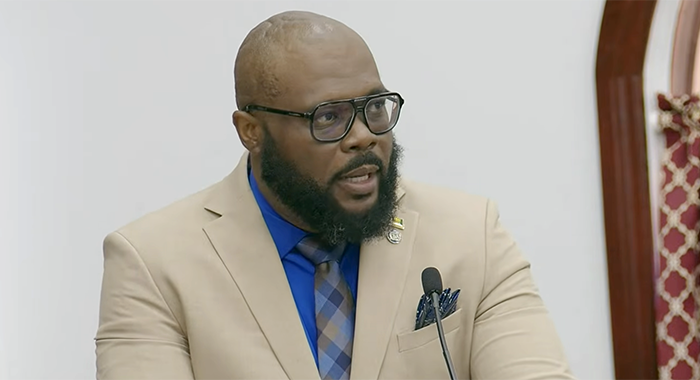
During a recent appearance on the New Times broadcast, Kaschaka Cupid — the newly elected Member of Parliament for West St. George and joint minister of youth, sports, culture, and creative industries — laid out a targeted policy critique of longstanding public service employment practices in St. Vincent and the Grenadines, warning that routine post-retirement work extensions for veteran civil servants are creating systemic bottlenecks that lock young, qualified Vincentians out of formal public sector roles. A 20-plus year veteran of the public service himself before winning office in the November 2025 general election, Cupid noted his frontline experience navigating government administrative structures gave him intimate insight into long-unaddressed staffing gaps that have pushed youth unemployment to the top of his policy priority list. He shared a recent, on-the-ground interaction from his constituency that underscored the urgency of the issue: just hours before the interview, a group of unemployed young residents had visited his office to detail their ongoing struggles to secure stable, meaningful formal work, a frustration he says is amplified by practices that retain aging civil servants past the official retirement age, often for one or two year contract extensions. Cupid acknowledged that existing public service regulations formally allow for these post-retirement extensions, and conceded that specialized, technical roles — such as senior information technology positions that rely on rare, niche institutional expertise — do require consistent operational continuity to avoid service disruptions. But he pushed back against the default, unplanned practice of extending veteran staff contracts as a last-minute fix for unfilled vacancies, arguing that this ad-hoc approach eliminates entry points for young job seekers who have been waiting to advance into public service roles. As a solution, he proposed a formal, proactive cross-agency succession planning framework that requires government departments to identify and train junior successor candidates years before senior specialized staff reach retirement age, allowing incoming employees to shadow and learn directly from veteran colleagues while the latter are still on full active duty. This structured handover, he explained, would eliminate the last-minute scrambling to fill critical posts that currently leads many departments to fall back on post-retirement extensions, while creating clear, predictable promotion pipelines for young, unemployed Vincentians. Cupid framed the gap in formal succession planning as a legacy of the former Unity Labour Party administration, which held power for nearly 25 years before being voted out of office in November 2025, and noted that this staffing inefficiency is just one of multiple structural challenges the year-old New Democratic Party government is working to resolve. He also observed that public service operational norms differ drastically from private sector workforce practices, meaning targeted restructuring of outdated civil service protocols will be required to roll out the new succession framework, with meaningful changes expected to be rolled out incrementally over time.
Post-retirement extensions can narrow job openings for young people – minister