A growing push for systematic, accountable reform of Belize’s social protection framework has emerged, with two key national stakeholders adding their voices to demands first raised by the country’s largest public service advocacy group. The call for structural change originated on October 21, when the Public Service Union (PSU) released a public statement urging that emergency social assistance be delivered through formal, established government programs, rather than discretionary allowances managed directly by elected political officials. The PSU centered its demands on core principles of fairness, broad accessibility, and institutional accountability, arguing that unregulated discretionary distribution fails to meet these standards.
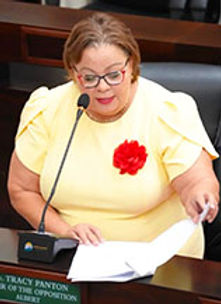
Following the PSU’s announcement, both the Belize Chamber of Commerce and Industry (BCCI) and Opposition Leader Hon. Tracy Panton have backed the call for reform, while expanding the conversation to address critical questions of long-term financing and program sustainability. Giacomo Sanchez, president of the BCCI, noted that the business community recognizes the vital role a well-designed social protection system plays in protecting the well-being of workers and their families, and supports building a framework that is fair, inclusive, and able to deliver support over time. However, Sanchez stressed that any social protection system must strike a careful balance between meeting the critical needs of vulnerable beneficiaries and respecting the financial limits of the workers and employers who fund these programs through contributions. He argued that all proposed reforms should be rooted in rigorous actuarial analysis, conducted with full public transparency, and developed through meaningful consultation with all affected stakeholder groups. The BCCI’s position prioritizes ensuring that long-term social protection commitments remain financially viable, and that any impacts on both contributing employees and employers are fully evaluated before changes are enacted.
For her part, Opposition Leader Tracy Panton has put forward a concrete policy proposal to lock in predictable funding for targeted social safety net initiatives: a mandatory, fixed percentage of the national budget dedicated exclusively to these programs. Panton, who has long argued that the government should set aside dedicated resources for well-designed programs supporting Belize’s most vulnerable populations, proposed setting a minimum threshold of 5% of the national budget for these efforts, a figure she says aligns with a recommendation from the World Bank. This formal allocation would create a predictable, consistent funding stream for social assistance, eliminating the uncertainty of annual ad-hoc budgeting. Panton also raised alarms over growing economic inequality in Belize, arguing that the national government has a clear responsibility to expand support for vulnerable households, as empowering these groups allows them to contribute more meaningfully to overall national development. She noted that economic disparities are widening across the country, with wealthier households gaining greater economic stability while low-income and marginalized groups face growing risks of falling into poverty.
While the BCCI and Panton have approached the issue of social protection reform from distinct perspectives – with the business group focusing on long-term fiscal sustainability, data-driven assessment, and stakeholder input, and the opposition leader prioritizing guaranteed, dedicated government resourcing – the two stakeholders share core alignment on the need for institutional reform of the current system. Both positions also complement the PSU’s earlier demands for a system where access to emergency support is governed by clear, public eligibility rules, rather than individual political discretion. The PSU had previously criticized discretionary assistance arrangements for lacking three critical components: published eligibility criteria, publicly accessible distribution records, and formal mechanisms for applicants to appeal denials. It recommended redirecting all emergency assistance funding to established government programs focused on urgent needs including emergency medical support and end-of-life burial assistance.