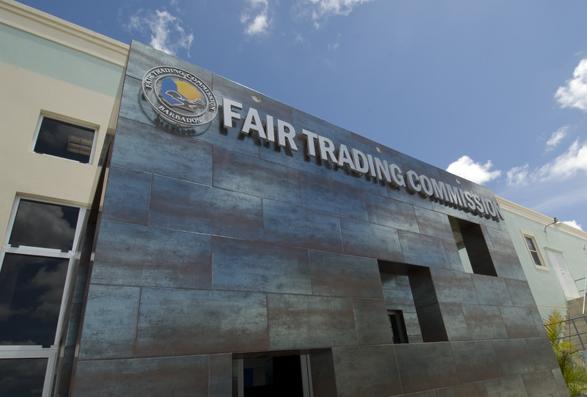
A brewing controversy over planned broadband and bundled service price increases by Caribbean telecommunications provider Flow Barbados has prompted the island nation’s Fair Trading Commission (FTC) to launch a formal review, pushing consumer advocates to speak out against the hikes and question the lack of actionable consumer options in the local market.
The FTC announced Thursday that it had opened an examination into Flow’s planned increases, which will raise monthly rates by as much as $10 for select customer plans. The regulatory body has formally requested detailed information from the company to justify the changes, including contractual clauses that Flow is relying on to implement the price adjustment, the timeline and methods used to notify impacted customers, breakdowns of which consumer groups will be affected, and any added benefits or service improvements that will accompany the higher rates.
While the FTC does not have statutory authority to cap or regulate mobile and broadband rates under the island’s Utilities Regulation Act, it does have the power to review pricing changes under the country’s Consumer Protection Act to verify that business practices align with legal requirements. The agency confirmed that its review is focused on verifying compliance with these consumer protection rules, and will publish a further public update once it has processed all information submitted by Flow.
Flow first publicly confirmed its planned pricing changes roughly two weeks ago, announcing that the higher rates would go into effect for select customers starting this November. The company noted that a subset of impacted customers will receive a three-month delay on the increase, retaining their original monthly rates through the end of January 2027 before the adjustment takes effect. A company spokesperson added that all affected customers have already been contacted directly with customized details about their new rate and the effective date of the change.
Even with advance notification for some, dozens of customers have taken to social media to voice frustration over the sudden increases, sharing examples of dramatic jumps in their monthly bills: one plan jumped from $130 to $165, another from $95 to $140, a third from $265 to $435, and a large business or premium plan saw an increase from $410 to $589.32.
Local consumer advocacy group the Barbados Consumer Empowerment Network (BCEN) has emerged as the most vocal critic of both the price hikes and the FTC’s initial guidance to consumers, which suggested that dissatisfied customers could simply switch to an alternative provider. BCEN Executive Chairman Maureen Holder argued that the idea of “voting with your feet” is purely theoretical in Barbados’ limited telecommunications market, pointing to a host of barriers that keep consumers locked into their existing plans. These barriers include early termination penalties, strict contractual restrictions, new installation fees, limited service coverage from competing providers, and other costs that make switching unfeasible for most households.
Holder stressed that BCEN rejects any price increase up to $10, noting that consumers do not support the change either now or in 2025. She called on the FTC to verify whether Flow has made material changes to existing customer contracts as part of the pricing adjustment, and require that customers be allowed to exit their contracts without unreasonable financial penalties if they do not agree to the higher rates. Echoing the FTC’s own request for information, Holder added that consumers have a clear right to know what additional value they will receive for the higher monthly cost, especially since no improvements to network speed, reliability, or customer service have been publicly announced to accompany the price hike.
The controversy has also drawn attention from veteran utility rate advocate Ricky Went, who confirmed to local outlet Barbados TODAY that he had contacted the FTC directly to question both the reasoning and the size of the proposed increase, calling for regulatory action to prevent similar price disputes in the future.
In a formal statement defending its decision, Flow acknowledged that affordability remains a critical concern for Barbadian households and businesses, and that the company recognizes the ongoing financial pressures facing its customer base. At the same time, the provider argued that continuous investment in network infrastructure, new technology, and expanded service offerings is required to deliver the reliable, high-quality connectivity that its customers expect from the brand.
Separately from the planned broadband price increases, Flow has also addressed separate concerns from mobile postpaid customers who recently reported higher-than-expected data usage charges on their monthly bills. The company clarified that these extra charges are unrelated to the broadband pricing changes, and instead stem from a recent system update to how mobile data usage is tracked and recorded. Flow confirmed that its technical teams are currently reviewing all impacted accounts to ensure billing accuracy and support affected customers. The company added that it remains committed to transparent communication with its customer base, and will continue to share updates through its standard public communication channels.
In addition to its request for information from Flow, the FTC has issued guidance for consumers navigating the price change dispute, advising customers to carefully review all communications received from Flow about rate changes, closely monitor their monthly bills to confirm that any adjustments match the notification they received, and reevaluate their current plans to ensure they still align with their usage needs. The regulator noted that consumers retain the right to select the telecommunications plans that best fit their individual circumstances, and will share further updates with the public once its review is complete.
Flow Barbados is a subsidiary of Liberty Caribbean, previously known as Cable & Wireless Communications, which is owned by Liberty Latin America. The publicly traded firm, listed on the Nasdaq exchange, counts American cable industry magnate John C. Malone as its largest shareholder.