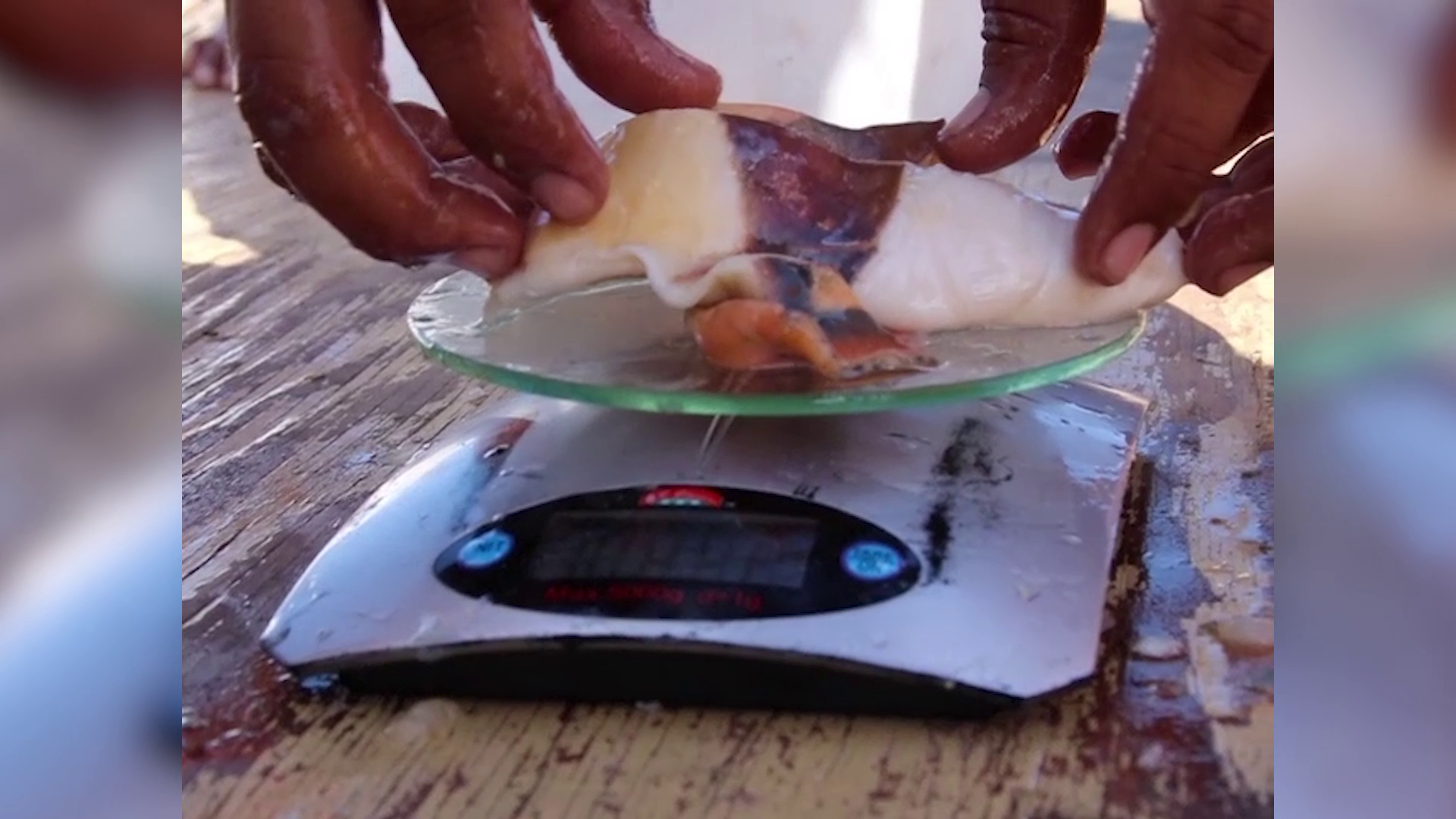
Four years after Belize implemented an emergency conservation measure to rebuild collapsing queen conch populations, the small Caribbean nation is confronting an unexpected and welcome problem: a historic overabundance of the valuable marine snail that has left the local conch industry scrambling to find buyers for its record-breaking catch.
Back in 2026, the Belize Fisheries Department made the unpopular but critical decision to cut the annual queen conch harvesting season short by more than a month, closing the fishery on May 25 instead of the traditional end date of June 30. The move was designed to give remaining conch populations extra time to reproduce and replenish stocks that had been depleted by years of overharvesting, a threat that had put the entire future of the industry at risk.
Early data from the 2026 harvest cycle confirms that the bold conservation policy has already delivered dramatic results. In comments from an evening television news broadcast transcribed for online distribution, Acting Fisheries Administrator Adriel Castanedas confirmed that yields are far higher than industry experts had projected, so much so that most commercial processing facilities have already hit their maximum storage capacity and have voluntarily paused accepting new catches from local fishermen.
“This is really the payoff for the hard choice we made to shorten the season last year,” Castanedas explained. “We reaped the benefits of that conservation measure, and it is a very good sign for the long-term health of our conch stocks.”
Yet the success has created a new, far more positive set of challenges for the Belizean industry. With processing facilities full, regulators are now rushing to finalize new export agreements to move the excess conch inventory to international buyers, to prevent the fresh product from spoiling before it can reach market. Castanedas also issued a reminder to commercial fishermen that even with recovered stocks, limits on harvesting and processing capacity remain in place to protect the long-term health of the fishery.
“Fishers must be conscious that while they can harvest as much as their quota allows within the open season, there is a hard limit to how much product the industry can process and distribute,” he said. “What we do not want is for unprocessed conch to sit and spoil – that would be a loss for everybody, from fishermen to processors, and it would be a waste of the valuable marine resource we worked so hard to rebuild.”