Four decades and five years after Belize secured its independence, a fresh escalation in the long-running territorial dispute with neighboring Guatemala has thrown the South eastern Caribbean nation’s diplomatic strategy into the domestic political spotlight.
For years, Belize has relied on a standardized diplomatic response to cross-border incidents, most of which center on the contested Sarstoon River region. The typical protocol has been to file a formal diplomatic note demanding an official explanation, a path usually triggered after annual flag-raising expeditions organized by the local activist group the Belize Territorial Volunteers. But the September 2026 incident of an unauthorized Guatemalan military aircraft penetrating Belizean airspace has pushed tensions far beyond the scope of the usual low-level disagreement, opposition figures say.
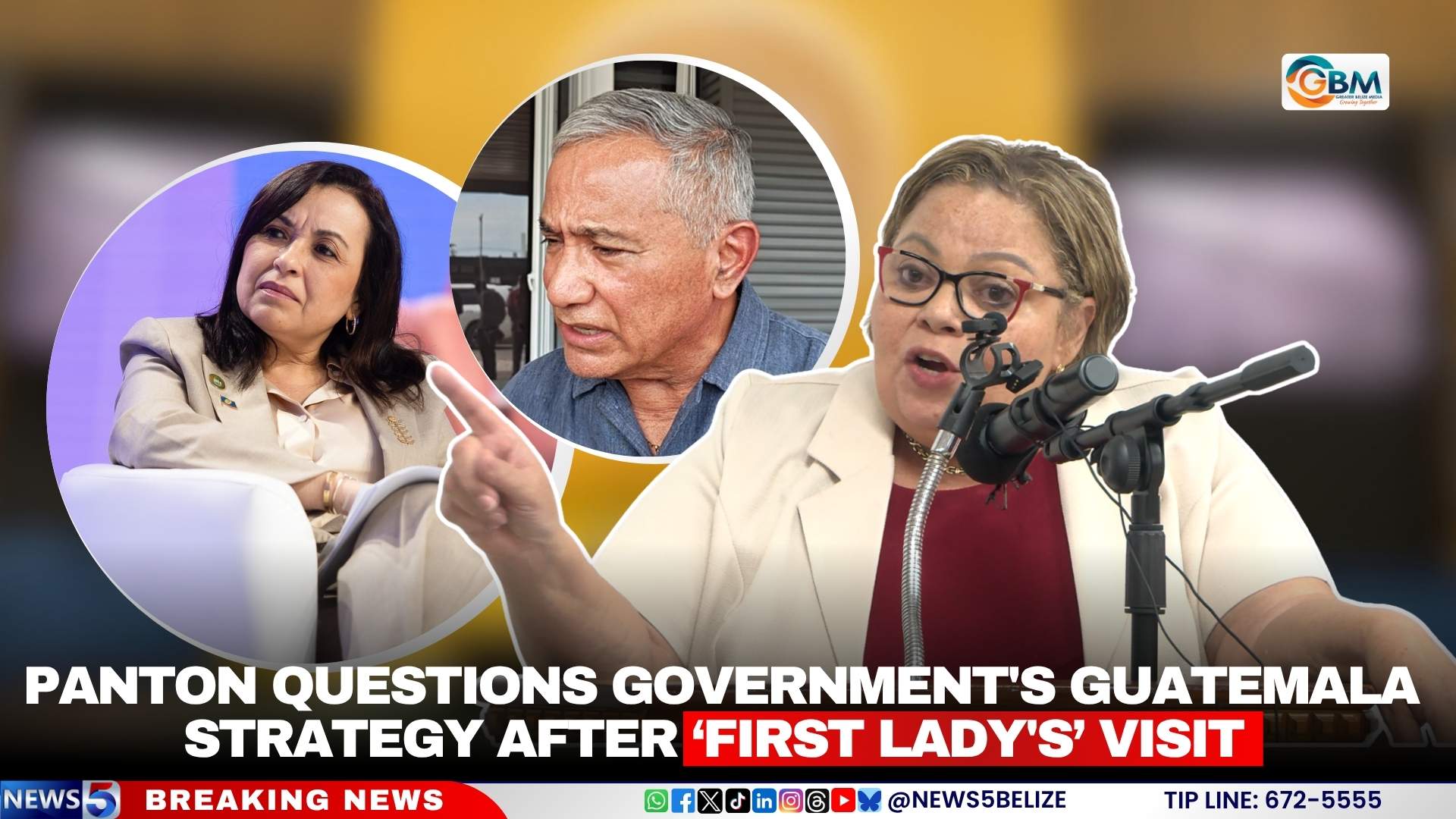
Speaking out days after the incident, Opposition Leader Tracy Panton labeled the unauthorized flight as deliberate acts of aggression and intimidation against Belize, coming just days after the nation marked its 45th independence anniversary. Belize’s own Ministry of National Defence has already formally confirmed the incursion, categorizing it as a clear violation of the country’s sovereign airspace.
In a direct rebuttal delivered during the 81st United Nations General Assembly in New York, Guatemalan officials flatly rejected the accusation, claiming the flight never occurred and countering that Belize was spreading false information to advance its territorial claims. The starkly conflicting accounts have left regional observers noting the dispute is now at its most tense in recent years.
Panton, who leads Belize’s main opposition bloc, acknowledges the core constraint shaping Belize’s approach to the conflict: unlike its larger neighbor, Belize lacks the military capacity to enforce its territorial claims through force, meaning diplomacy remains the only viable path forward. But that does not mean the government can pursue inconsistent diplomacy, she argues.
The core of Panton’s criticism centers on a recent high-profile engagement just days after the airspace incursion: Rossana Briceño, who serves as Belize’s Special Envoy for the Development of Families and Children and is also Prime Minister John Briceño’s wife, accepted an invitation to a regional gathering of first ladies and first gentlemen hosted by Guatemala’s First Lady Dr. Lucrecia Peinado, held on Guatemalan soil. Panton questions how the government can publicly denounce Guatemalan military aggression at the UN General Assembly, while simultaneously sending the prime minister’s spouse to a high-profile event hosted by the Guatemalan first lady.
“You can’t say on one hand that you denounce the aggression of Guatemala and then on the other hand your wife is spending time with the first lady of Guatemala,” Panton said, echoing growing public concern over the government’s inconsistent messaging. The event has already sparked widespread public debate across Belize, with many citizens questioning the timing of the visit in the wake of the airspace violation.
Prime Minister Briceño has defended the visit, confirming in a media interview earlier this week that Rossana Briceño attended the gathering in an official capacity as a representative of Belize. Panton, however, says the timing of the visit sends a confusing message to both the Belizean public and the international community, undermining the government’s own diplomatic push to hold Guatemala accountable for the recent incursion. She has called on the Briceño administration to adopt a clearer, more consistent diplomatic approach that aligns with the priorities and concerns of Belizean citizens, particularly amid growing tensions along the shared border.