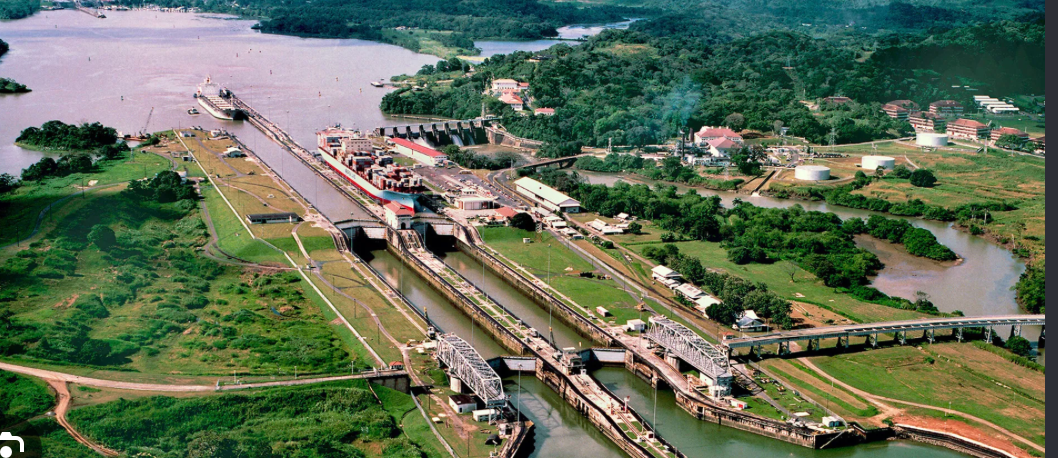
A new preliminary analysis from the Caribbean Community Private Sector Organization (CPSO) has uncovered significant economic risk facing CARICOM nations, as unprecedented transit restrictions at the Panama Canal put between $8 billion and $10 billion of the bloc’s annual imports in jeopardy. This figure accounts for roughly one-quarter to one-third of the entire region’s non-fuel import spending, marking one of the most pressing supply chain challenges Caribbean economies have faced in recent decades.
The crisis stems from a prolonged drought in the Panama Canal’s watershed, where rainfall from May through August has hit 34% below the long-term historical average, and water inflows to the region have fallen 44% below typical levels. The Panama Canal Authority’s recently issued Advisory A-29-2026 has enacted strict new capacity limits: starting September 4, daily vessel transits will be capped at 34, with the cap dropping further to 32 just 11 days later on September 15. Authorities have also issued a stark warning that the 2026-2027 El Niño event, expected to be unusually intense, could cut water supplies even more dramatically during the 2027 dry season running from January to April.
Market stress is already emerging as shipping lines adapt to constrained capacity. A recent priority booking slot for a Panama Canal transit sold at auction for $5.3 million, the highest winning bid ever recorded for the route. Major global container carriers including CMA CGM, MSC, and Hapag-Lloyd have already implemented per-TEU surcharges for all routes dependent on the canal, with industry analysts predicting further fee increases as water levels drop and draft restrictions tighten.
Dr. Patrick Antoine, CEO and Technical Director of the CPSO, emphasized that these extra costs will not be absorbed by shipping companies alone, but will filter through the entire supply chain to end consumers. “Auction premiums and low-water surcharges do not stay on the carriers’ books,” Antoine explained. “They are passed down the chain to importers, to distributors, and ultimately to the Caribbean consumer. When slot scarcity forces carriers to reroute or rationalise port calls, small Caribbean markets are typically the first to lose frequency and the last to regain it.”
CARICOM economies rank among the most import-dependent in the world, with the vast majority of food, manufactured consumer goods, and construction inputs reaching regional markets via transshipment networks that rely on the Panama Canal either for direct transit or for baseline pricing. The CPSO’s estimate of at-risk imports includes both $4.5 billion to $7 billion in cargo that travels directly through the canal, as well as additional goods that transit the canal before being consolidated at U.S. ports for final shipment to Caribbean nations.
Consumers across the region face two overlapping risks from the disruption: first, reduced product availability as longer shipping lead times force retailers to operate with thinner inventory stockpiles, and second, broad-based price increases as surcharges and longer alternative routing push up final landed costs for all goods. The challenge is compounded by ongoing disruptions to shipping through the Strait of Hormuz, meaning two of the world’s most critical maritime trade chokepoints are under simultaneous pressure—one strained by climate-driven drought, and the other disrupted by geopolitical conflict. This dual shock has driven up global freight rates, war risk insurance premiums, and fuel costs across the board.
For Caribbean nations that rely on imported petroleum, the overlap creates a particularly severe strain: electricity, transport, and food prices are all facing upward pressure at the same time, threatening to exacerbate cost-of-living crises across the region.
In response to the growing threat, the CPSO has already presented a new supply chain resilience framework, called Derisking CSME Imports, to CARICOM Heads of Government during a July 2026 breakfast meeting held in Saint Lucia. The methodology maps the full extent of CARICOM’s exposure to external supply shocks, and breaks down exposure product by product to identify opportunities where regional production and alternative supply routes can replace vulnerable long-distance imports from outside the bloc.
“Every percentage point of import demand we can shift to regional supply is a percentage point insulated from canal auctions, low-water surcharges and chokepoint conflict,” Antoine said. “Regional resilience is not built during a crisis. It is built before one.”
The CPSO is currently urging regional importers to proactively coordinate with shipping carriers and logistics providers immediately to plan for routing adjustments, surcharge costs, and inventory management for the final quarter of 2026 and the high-risk 2027 dry season. The organization continues to advance the region’s trade connectivity agenda alongside CARICOM leaders, the World Bank’s Caribbean Reconnect Programme, and a proposed Regional Ferry Service initiative that is currently under review by heads of government.