As rolling blackouts continue to disrupt daily life across Belize, residents have grown frustrated with the unpredictable nature of scheduled power outages, many comparing the uncertainty of which neighborhoods will lose power to a game of chance. But according to top public utility officials, the process of selecting which power feeders to take offline is far from random — it is a calculated approach designed to protect the country’s most critical services first.
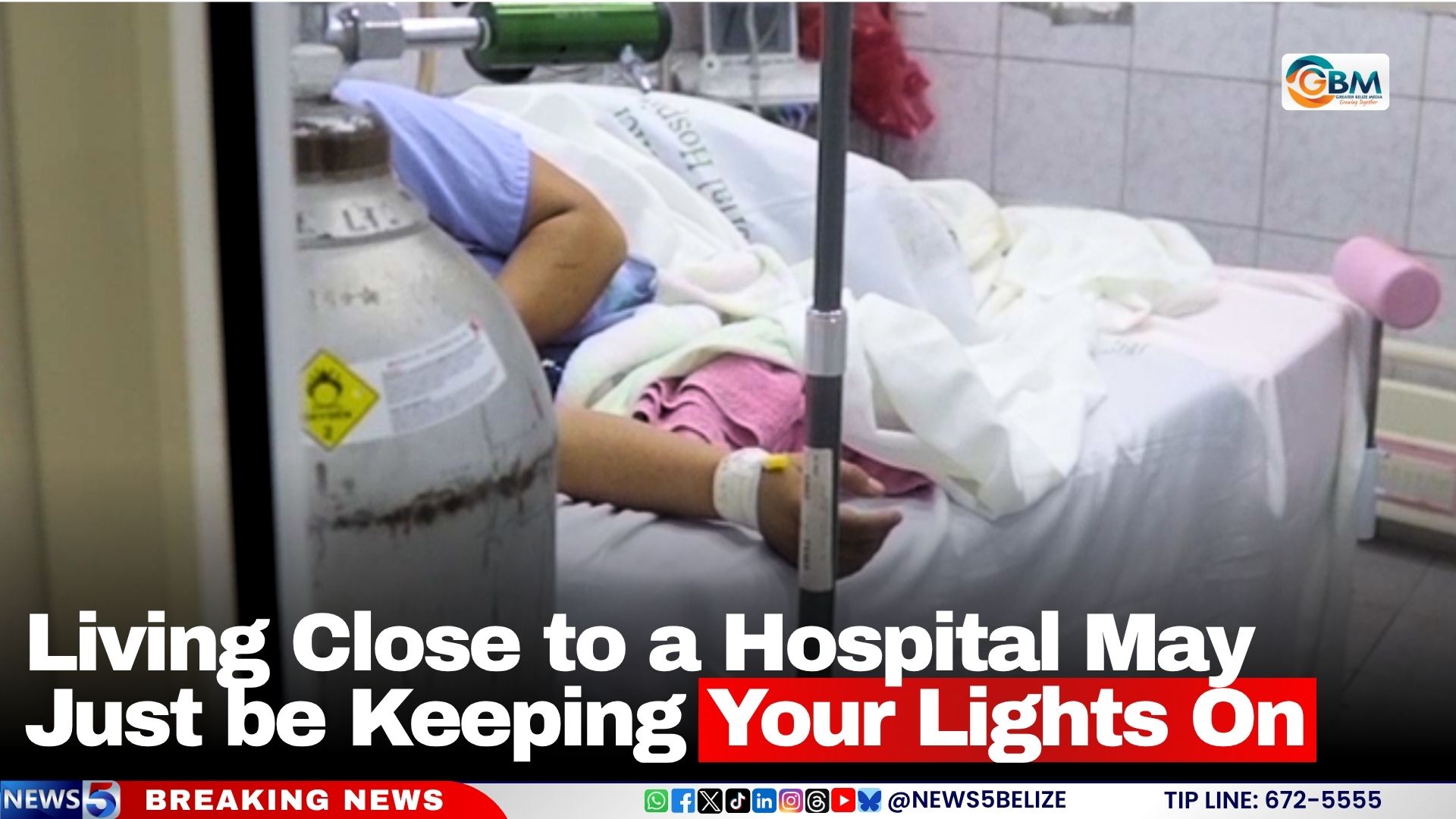
In recent comments to local outlet News 5, Dr. Leroy Almendarez, Chief Executive Officer of Belize’s Public Utilities Commission, explained that the location of hospitals is a top non-negotiable factor when Belize Electricity Limited (BEL) drafts its daily load shedding schedules. Cutting power to a medical facility that cares for intensive care patients or hosts ongoing surgical procedures would carry catastrophic consequences, so power access to these sites is always preserved in the rotation of outages.
The current power shortage that forces load shedding is triggered when imported electricity from Mexico drops to zero, a recurring issue that has strained Belize’s domestic energy supply. When this happens, BEL first assesses the total available power generated from domestic sources, including facilities run by BSI, Santander, Hydro Maya, and Hydro Belize. After calculating how much power can be allocated to meet critical demand, the company then determines which non-critical feeders can be taken offline in rotation to balance the grid.
Almendarez acknowledged that even with careful planning to protect medical sites, widespread rolling blackouts still cause major disruption across every sector of Belizean society. Schools struggle to continue classes and students cannot complete after-school homework, households face interrupted daily routines, and small businesses lose revenue amid unplanned outages. He admitted that no level of targeted load shedding makes the experience anything but a major inconvenience for the public.
To address the root of the ongoing power crisis, Belize’s government is moving forward with plans to expand the country’s total energy generation capacity. BEL has been tasked with drafting a formal plan for the Ministry of Public Utilities, Energy, and Logistics, led by Minister Michel Chebat, that outlines how much additional power the country needs to procure to end disruptive rolling outages. Officials are also exploring expanding energy storage capacity through a framework Almendarez called “distribution generation” to build long-term resilience for the national grid.