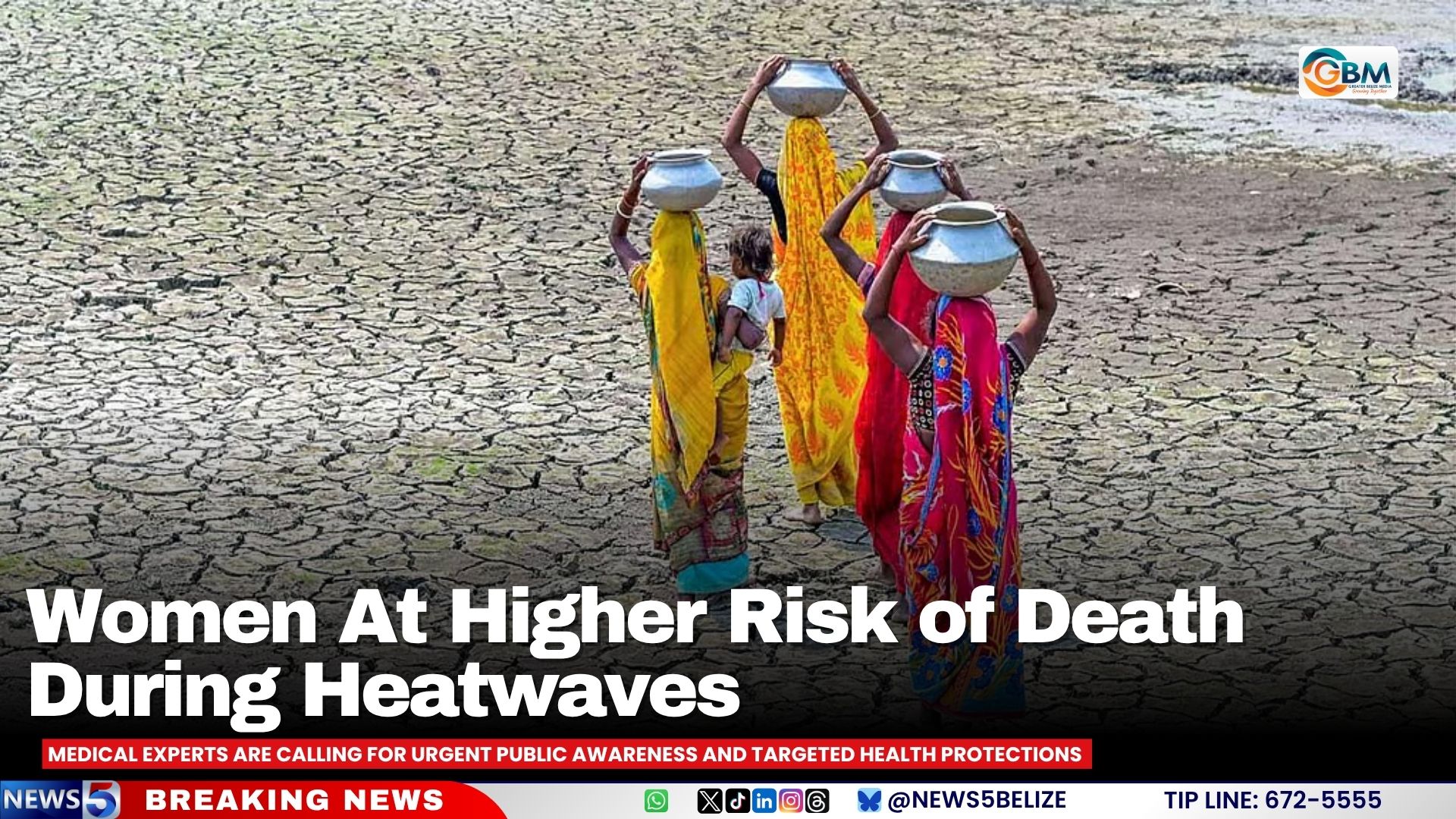
As global temperatures continue to climb and extreme heat events grow more frequent, new research from United Kingdom health specialists has uncovered a stark, underrecognized public health gap: women face far more severe health consequences and higher death risks during heatwaves than men.
Extreme high temperatures act as an unexpected physical stress test on the female cardiovascular system, pushing the body beyond its tolerance limits and elevating the likelihood of life-threatening heat-related illness. The findings, which align with guidance from UN Women, point to a combination of biological, socioeconomic and structural factors that combine to put women and girls at unique risk across every stage of life.
Biologically, women have key physiological differences that reduce their ability to cope with extreme heat. On average, women produce less sweat than men — a critical natural cooling mechanism that helps the body regulate internal temperature during hot weather. Hormonal shifts throughout life further exacerbate this vulnerability: menstruation causes iron loss that places extra strain on the heart, while lower estrogen levels during menopause intensify hot flashes and night sweats, making extreme heat even more uncomfortable and dangerous. For pregnant people, the body already generates extra heat to support fetal development, and increased fluid needs raise the risk of dehydration. Research also links maternal heat exposure to adverse birth outcomes including pre-term labor and low birth weight, putting both parent and child at risk.
Older women face the most elevated overall danger, the study confirms. This demographic is more likely to live with dementia, which impairs the body’s ability to recognize thirst signals and communicate the need for cooling or hydration. Many older women also take diuretic medications to manage chronic health conditions, which further disrupt fluid balance and reduce the body’s ability to tolerate extreme heat.
Beyond biological factors, extreme heat deepens pre-existing gender inequalities that amplify risk, UN Women notes. Women and girls living in rural regions, informal urban slums, disaster zones and conflict-affected communities often face systemic barriers to accessing critical resources that protect against heat: electricity for air conditioning or fans, reliable healthcare services, safe temperature-regulated housing, and clean drinking water. In many communities, women bear the primary responsibility for collecting water for their households, a task that forces prolonged exposure to extreme heat and increases the risk of heat stroke and dehydration. In areas with inadequate sanitation infrastructure, managing menstruation during heatwaves becomes even more challenging, adding another layer of health risk.
As climate change drives more frequent and more intense heatwaves globally, medical and public health experts are now calling for urgent action to close this protection gap. They emphasize the need for targeted public awareness campaigns to educate women, caregivers and healthcare providers about the unique risks women face, as well as policy interventions to expand access to cooling and healthcare for vulnerable communities. Without targeted changes to public heat safety strategies, experts warn that the gender gap in heat-related death and illness will continue to widen as temperatures rise.