As controversy continues to swirl around the multi-million-dollar Mira scandal linked to Belize’s Ministry of Defense, the Belize Chamber of Commerce and Industry (BCCI) has stepped forward to push for sweeping regulatory changes to rein in unsupervised public spending. On August 5, 2026, the leading business advocacy group convened a dedicated media roundtable to lay out its comprehensive good governance policy agenda, centered on four core pillars: enhanced government transparency, strict accountability for public officials, robust independent oversight, and the strengthening of state institutional frameworks.
During the question-and-answer segment of the event, reporters pressed BCCI leadership on whether the current $10,000 public procurement threshold should be raised to streamline government purchasing. But Kim Aikman, the chief executive officer of BCCI, pushed back on the framing of the debate, arguing that the root of systemic corruption in public procurement is not the monetary threshold itself, but the individuals and weak processes tasked with managing public funds.
Aikman drew a clear contrast between public sector practices and private sector safeguards to illustrate her point. “We do not advocate for raising the $10,000 threshold — that limit is perfectly reasonable as long as established processes and procedures are followed,” she explained. “In the private sector, any spending over $10,000 requires additional layers of approval before a transaction can move forward. Many private firms even use automated monitoring systems like Transvision, which automatically flags any transaction exceeding a set amount or any purchase processed without formal approval. Those flagged transactions cannot proceed until all required documentation and authorization is secured. That is the standard we need to see in the public sector, not a change to the spending limit.”
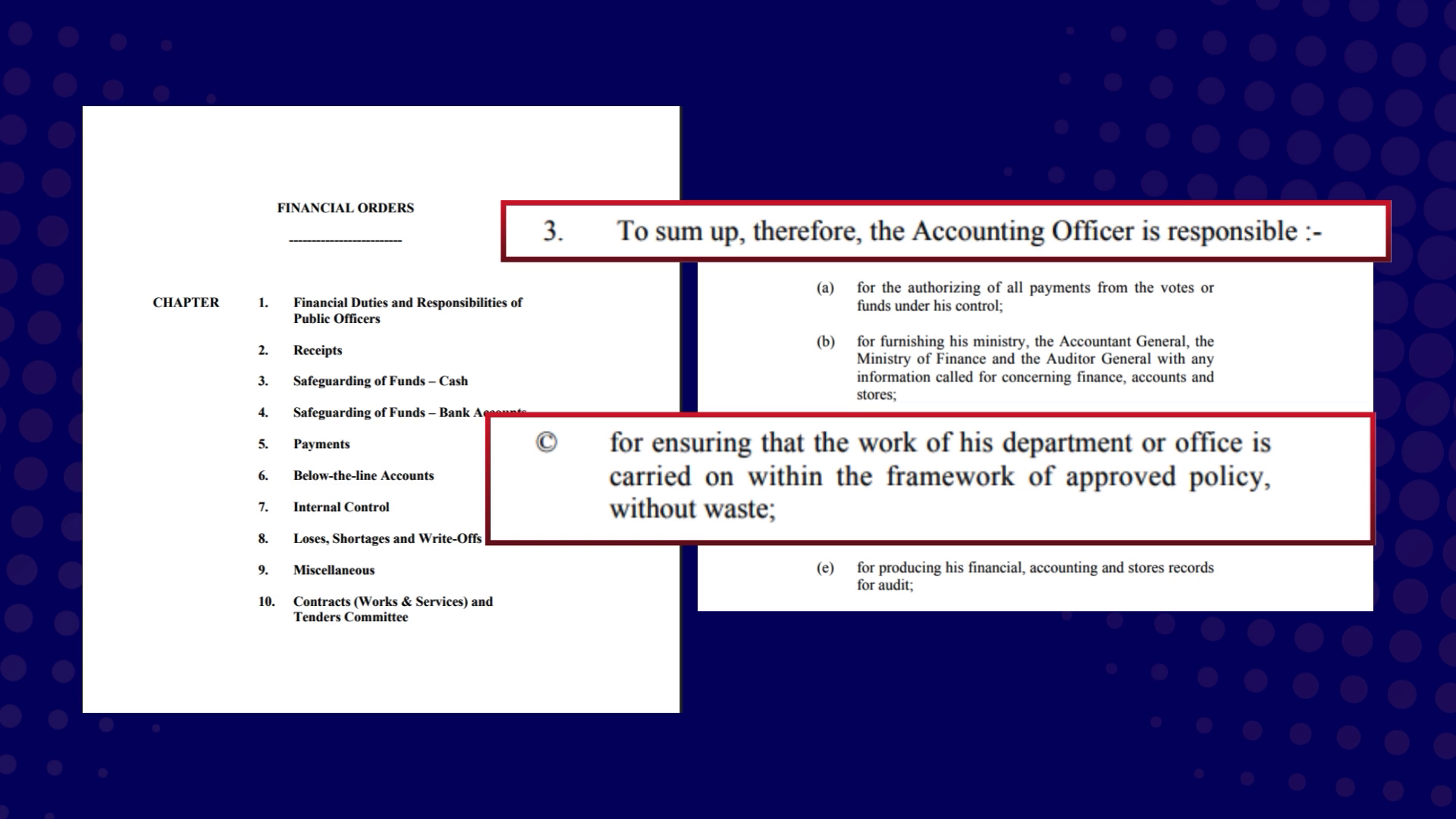
William Neal, an executive councilor of BCCI, expanded on the criticism, calling on the Belizean government to eliminate the informal, questionable approval practices that have allowed the scandal to unfold. Neal highlighted a critical flaw in current government protocols that allows ministers to approve purchases via verbal instruction, with no formal written documentation required to process the transaction. This gap, he argued, allows public officials to abdicate personal responsibility by claiming they were following orders, with no paper trail to hold any party accountable for improper spending.
“What we need is clear, codified systems that define exactly what counts as valid authorization for any public purchase,” Neal said. “Right now, technical staff are often left in positions where they can act on a verbal order from a minister, then later claim they were just following instructions to avoid personal accountability. Without formal, documented approval requirements built into every step of the procurement process, the door is left wide open for the kind of misspending that we are seeing in the Mira scandal.”
This call for reform comes as the Mira scandal continues to develop, with growing public concern over the misallocation of millions in public defense funds. The BCCI’s agenda marks one of the most prominent calls for systemic change from Belize’s business community since the scandal broke, framing improved governance as critical to protecting public trust and supporting sustainable economic growth.