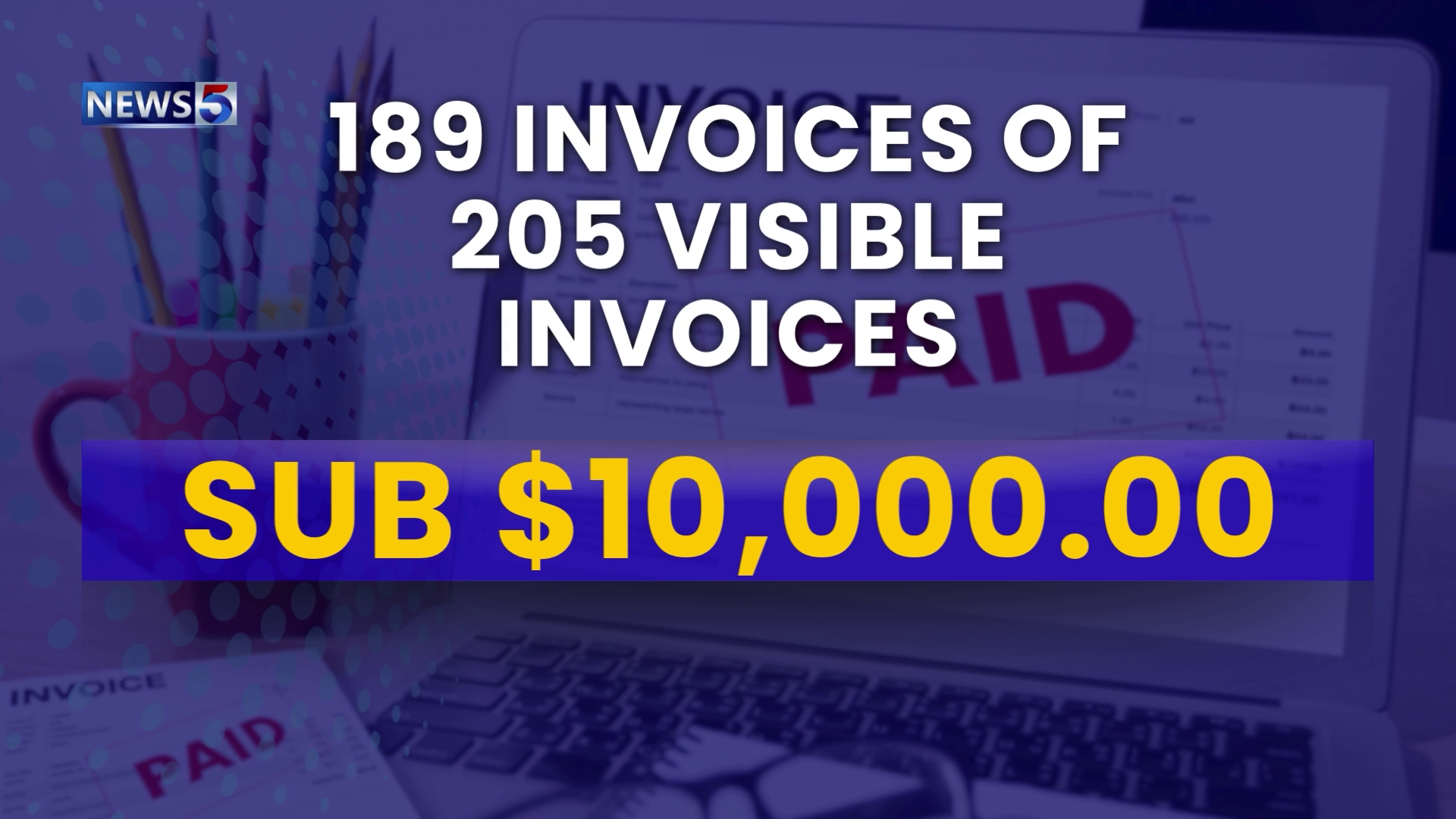
On August 5, 2026, top leaders of the Belize Chamber of Commerce and Industry (BCCI) have broken their silence on the controversial split-payment invoice scheme currently under public investigation, issuing unflinching criticism of the practice and calling for urgent government intervention to root out deep-rooted institutional flaws.
In interviews with local outlet News Five, which first launched an investigation into the questionable invoicing practice, BCCI President Giacomo Sanchez did not mince words in describing the scheme, labeling it nothing short of deliberate abuse of public financial systems. A certified public accountant with decades of experience in private sector finance, Sanchez drew a clear line between governance standards for private and public entities, noting that similar practices would never go unchallenged in private companies.
“In the private sector that would not be permitted. That would be an immediate red flag,” Sanchez explained. “If a board of directors or senior management tried to split payments to line their own pockets or avoid oversight, that arrangement would be shut down immediately. What’s critical to understand is that while some flexible practices may be standard for fully privately owned businesses, public and public-linked entities are held to a far higher standard of transparency. They owe that scrutiny to the public that entrusts them with taxpayer resources.”
BCCI Executive Councilor William Neal, who brings decades of experience in international public finance from previous work with UNICEF and the Inter-American Development Bank, expanded on Sanchez’s criticism, arguing that the issue is not an isolated case of bad accounting but a systemic failure that requires immediate government action – even before a formal audit of the scheme is completed.
Neal outlined the standard procurement protocols that should govern all public spending, requiring three competitive quotes for all contracts, an independent review committee that evaluates bids based on both quality and value for public money, and full paper documentation at every stage of the process. When these rules are followed correctly, he noted, there is no room for opaque or manipulative payment arrangements. The problem, he emphasized, is not the rules themselves but the lack of consistent enforcement and proactive reform to close loopholes that allow manipulation.
“There are no wrong outcomes when you follow the mandated process and meet all the system’s transparency requirements,” Neal said. “The issue is how bad actors manipulate gaps in oversight to get away with improper practices. What we have been saying all along is that there has been no serious effort to overhaul the system to implement regular preventative checks that stop this kind of abuse from happening in the first place.”
This report is a transcript of an evening television broadcast from News Five, with Kriol-language commentary transcribed using a standardized spelling system for accessibility.