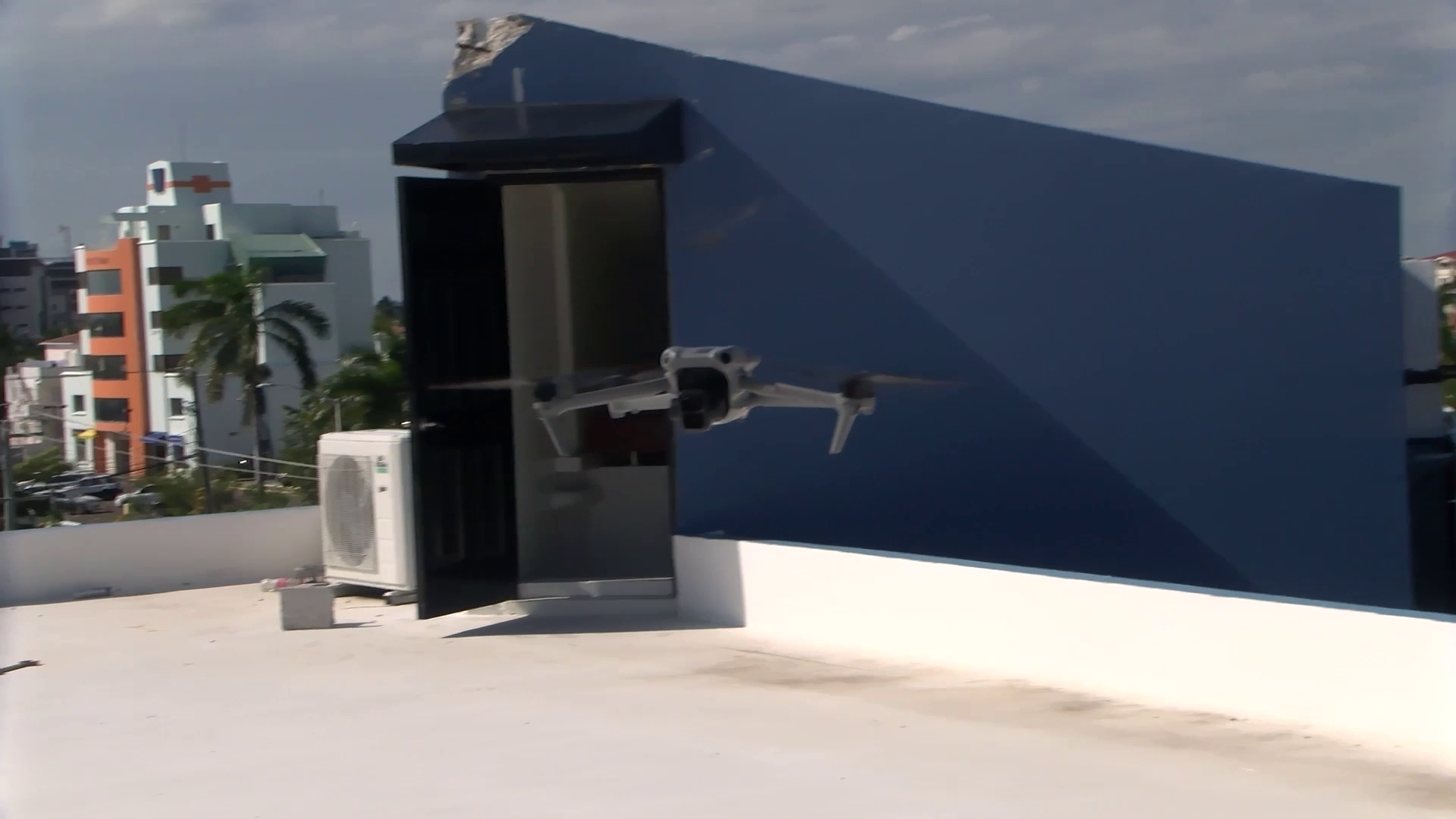
As Belize’s commercial drone sector experiences rapid expansion that has crowded the country’s national airspace, the nation’s top civil aviation authority has extended the timeline for finalizing updated unmanned aerial system (UAS) regulations, pushing the deadline to the end of July following industry criticism of a rushed, closed drafting process.
The Department of Civil Aviation launched a stakeholder consultation session on July 16, 2026, bringing together commercial drone operators, drone service businesses, and other key parties to gather input on the proposed rulebook — a step that came after industry representatives raised concerns last month that regulators had moved forward with drafting without sufficient opportunities for public and industry input.
In response to the backlash and the unexpected volume of public and stakeholder feedback submitted during the initial comment period, the department has extended its review and revision window. Department director Nigel Carter explained in remarks at the consultation that the extension is intended to allow regulators to thoroughly analyze all submitted comments and craft a framework that balances the needs of the fast-growing drone industry with the core mandate of protecting airspace safety.
“We have put out a press release indicating that we’re actually extending the time for us to give a response. We have to analyze the comments properly and then come out with something that will, as best as practical, work for all parties,” Carter said. He noted that unplanned events, including recent drone-related incidents, have also diverted regulatory staff time, making the original timeline unfeasible.
Carter added: “It’s always better to underpromise and overdeliver as opposed to the other way around whereby you’ll keep asking me, ‘Why it not ready yet?’ So, we expect to have it completed before the end of July. We put the end of July as a deadline for it.”
The core priority of the new regulations, Carter emphasized, is establishing clear safety requirements that match the high standards already in place for manned aircraft. Operators of drones, he argued, need a clear understanding of airspace rules to avoid dangerous conflicts that could disrupt aviation activity across Belize.
“The amount and level of training that is given to persons operating manned aircraft is quite significant. And so we have to be able to, for all intents and purposes, regulate and ensure that those that are operating drones understand the usage of the airspace, otherwise there could be havoc,” Carter said.