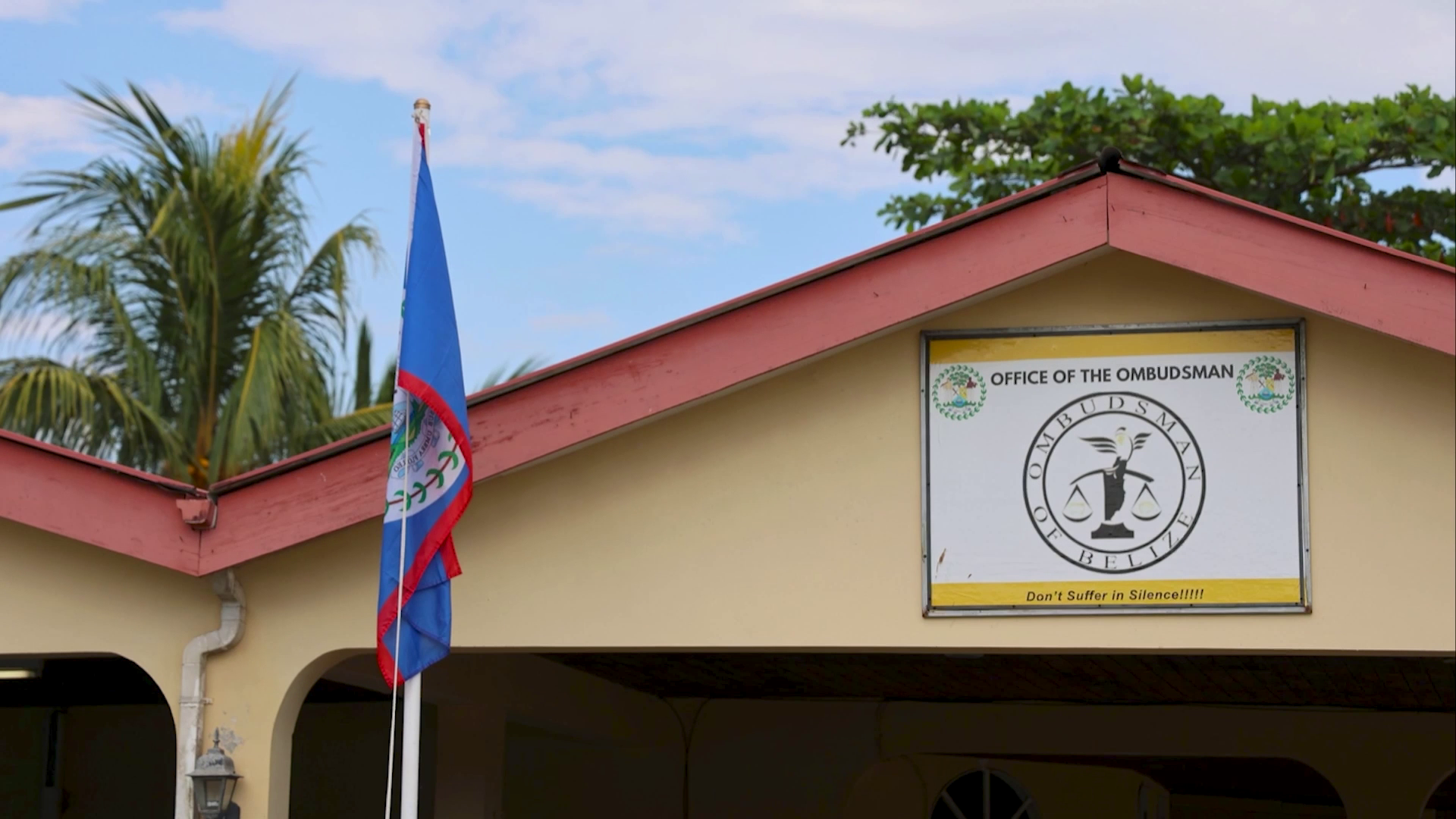
In July 2026, three interconnected legal challenges are unfolding across Belize, putting the country’s democratic accountability institutions and constitutional governance frameworks under unprecedented public scrutiny.
The first and highest-profile dispute centers on former Ombudsman Gilbert Swaso, a retired military major, who has brought the Government of Belize before the courts over the non-renewal of his contract in December 2025. Swaso alleges that the government declined to extend his tenure in retaliation for a Freedom of Information ruling he issued that went against state interests. He further claims that the government’s decision violated the constitutional protections that guarantee the independence of his former office, a critical check on executive overreach. Following a recent case management conference, the Supreme Court has established binding filing deadlines for both parties, with a full trial scheduled to begin on November 20, 2026. The government is required to submit its formal response affidavit by the end of this week.
Attorney General Anthony Sylvestre pushed back against public criticism of the government’s position in the case, emphasizing that the rule of law applies equally to all constitutional office holders. “Every single office holder, whether it be the Prime Minister, whether it be the Ombudsman, whether it be a judge, must comply with the dictates of the law in exercising their functions,” Sylvestre stated, framing the court process as a core component of Belize’s democratic system rather than an attack on independent oversight. Swaso, for his part, has framed the lawsuit as a fundamental defense of the Ombudsman office’s integrity and ability to uphold government transparency.
A second separate legal challenge has been filed by prominent social activist Jeremy Enriquez, who is taking the government to task over the months-long vacancy in the Ombudsman’s office left after Swaso’s departure. Enriquez argues that the government’s failure to appoint a permanent successor has blocked Belizeans’ access to critical accountability pathways, leaving multiple Freedom of Information appeals – including two of his own – tied up in limbo with no official to adjudicate them. He contends that the prolonged vacancy has effectively weakened one of the nation’s most important anti-corruption and transparency institutions.
Sylvestre confirmed that the government is already moving forward with the appointment process, which falls under the purview of the bipartisan Ombudsman Reports Committee of the National Assembly, with a public vacancy notice already posted. The posting, developed in partnership with a three-year European Union-funded project to establish Belize’s new National Institute of Human Rights, prioritizes candidates with specialized experience in human rights and oversight work. Sylvestre noted that the government remains committed to appointing a candidate who can advance the institutional development of the ombudsman’s office and the new human rights body.
In a third separate legal matter also involving Enriquez, the Caribbean Court of Justice (CCJ) has recently cleared procedural hurdles to allow his constitutional challenge against Belize’s outdated electoral redistricting to move forward. Filed in February 2025, Enriquez’s suit argues that current electoral boundary divisions are outdated and violate Belizeans’ constitutional right to equal representation. Sylvestre explained that Enriquez won two out of three interlocutory appeals he brought before the CCJ, clearing the way for the case to return to the Belize Court of Appeal for further proceedings. As of July 2026, more than a year after the initial filing, the court has not yet addressed the core substantive question of whether the existing boundaries violate Belize’s constitution.