As generative artificial intelligence reshapes learning landscapes globally, the Caribbean Examinations Council (CXC) has unveiled a sweeping overhaul of its long-standing School-Based Assessment (SBA) programme, introducing a revised assessment framework built to safeguard the credibility of regional qualifications amid growing AI-driven academic integrity challenges. The reforms, which will impact both the Caribbean Secondary Education Certificate (CSEC) and Caribbean Advanced Proficiency Examination (CAPE) programmes, are set to begin phased implementation starting in the 2027 academic year.
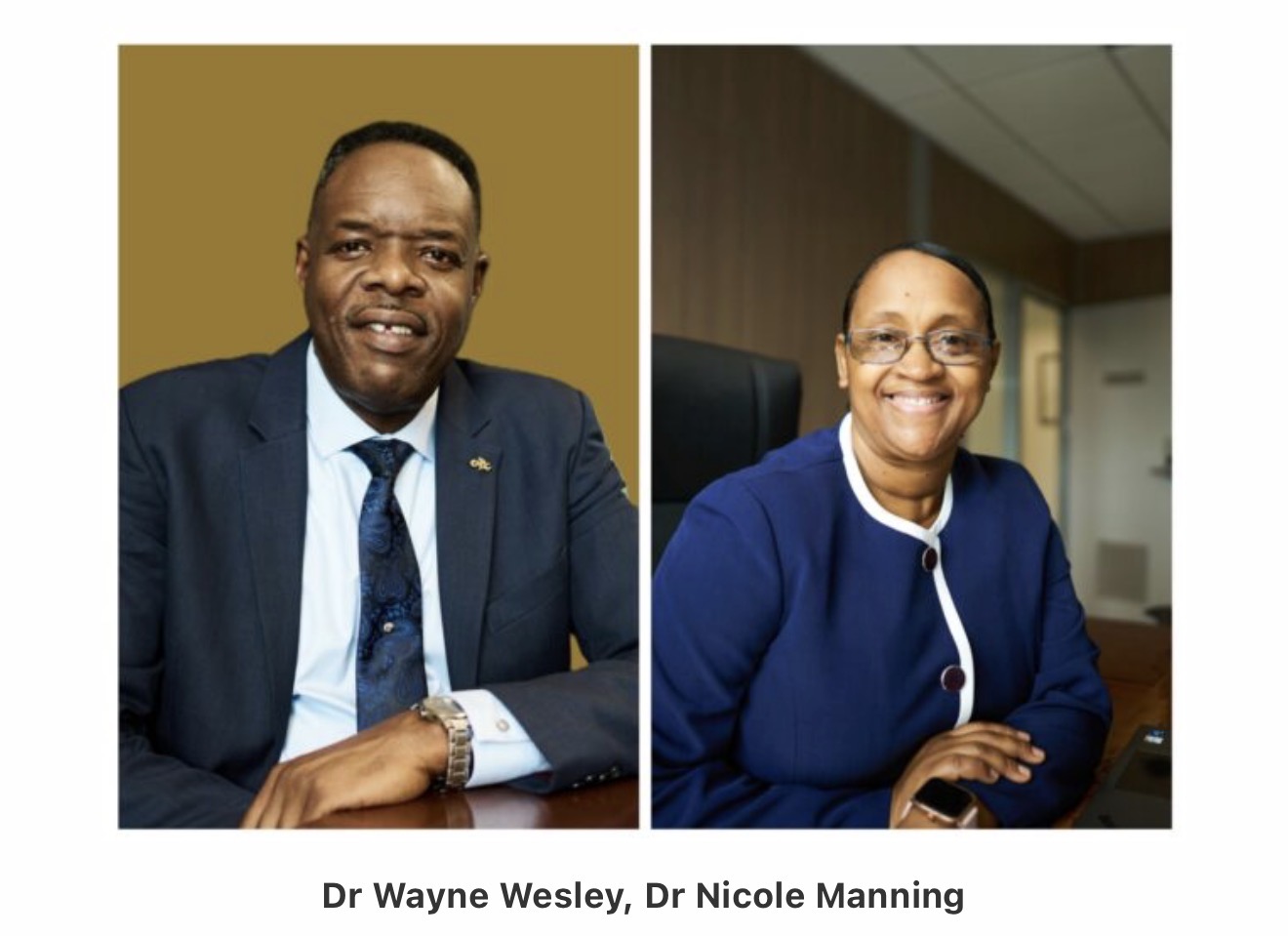
The updated framework is the product of years of extensive consultation with education stakeholders across 21 Caribbean nations and territories, developed with the core goal of ensuring exam results continue to accurately reflect students’ independent knowledge and individual abilities. In a public statement from the council, Registrar and Chief Executive Officer Dr. Wayne Wesley emphasized that the reforms do not signal a ban on generative AI for student learning. Instead, he framed the changes as a proactive response to technological disruption that is necessary to preserve public trust in the regional assessment system.
“CXC® will always act in the best interest of the region, even when that requires difficult decisions. The SBA has served Caribbean students well for nearly half a century, and we do not reform it lightly,” Dr. Wesley noted. “But the integrity of our qualifications is not negotiable. When the system that was designed to assess a student’s work can no longer reliably do so, we have an obligation to act, and to act decisively. That is precisely what this reformed framework represents. CXC® is cleareyed about the challenges of our time, and we are resolute in our commitment to the standard that Caribbean families, educators, and employers have come to trust.”
Under the restructured model, the SBA will remain in place for subjects that depend on hands-on practical demonstration and project-based work to accurately measure student competency. This group includes Agricultural Science, Visual Arts, Music, Physical Education, Technical Drawing, and Food, Nutrition and Health. The council also confirmed that moderation processes for these remaining SBA programmes will be strengthened to further boost accountability.
For primarily theory-based subjects, however, the traditional SBA model will be gradually phased out entirely. Subjects affected by this shift include core academic areas such as Mathematics, English, Caribbean History, Social Studies, Principles of Business and Information Technology. In place of the traditional out-of-classroom school-based assessment, students in these subjects will complete Paper 032, an assessment format currently used as an alternative for specific candidate groups.
The revised Paper 032 will retain the extended learning focus of the original SBA, but will be administered under formal, supervised examination conditions to confirm work authenticity. To support this adjusted approach, students will receive their assessment topics four weeks in advance of the exam, will be granted extra time to complete the assessment, and will be permitted to bring personal reference notes into the testing room.
CXC Director of Operations Dr. Nicole Manning explained that the redesigned assessment structure strikes a careful balance between supporting meaningful, extended learning and restoring certainty that student work is authentic. “The new, deliberate and necessary design of the SBA, preserves the spirit of extended, reflective assessment while restoring CXC’s confidence in authorship and authenticity,” Dr. Manning said. She went on to call on students, parents, and teaching staff across the region to collaborate in upholding the value of CXC qualifications, noting that the high standards of regional certification have been built through decades of collective effort and benefit all stakeholders.
“A CXC® qualification means something. It means something to employers, to universities, to parents, families and guardians, who have invested years of commitment and sacrifice into a child’s education,” Dr. Manning said. “It is in our collective interest that we hold to this standard, which we have all worked so hard to build.”
The council has outlined a clear phased timetable for the rollout of the new model. For CAPE candidates enrolled in non-practical theory-based subjects, Paper 032 will fully replace the traditional SBA starting with the May-June 2027 examination cycle. For CSEC candidates, a multi-year transition period has been scheduled: in 2027, individual schools will retain the option to choose between the traditional SBA and the new Paper 032 for their non-practical subject candidates. Starting with the May-June 2028 CSEC examinations, however, all non-practical subject candidates will be required to complete Paper 032.
CXC also confirmed that existing policies around score transfer will remain consistent. Under the council’s long-standing two-year rule, previously earned SBA marks will continue to be transferable for eligible candidates, and starting in 2027, Paper 032 scores will also follow the same two-year transfer policy.