As generative artificial intelligence becomes increasingly integrated into classroom learning across the globe, regional education assessment bodies are moving quickly to adapt their systems to protect the credibility of qualifications. The Caribbean Examinations Council (CXC) has become one of the first major regional assessment organizations to announce sweeping reforms to its decades-old School-Based Assessment (SBA) program, rolling out a restructured framework set to launch in 2027 that directly addresses the risks of AI-generated student work.
The changes, which will impact both the Caribbean Secondary Education Certificate (CSEC) and Caribbean Advanced Proficiency Examination (CAPE) programs, follow more than a year of extensive consultations with education stakeholders across 21 Caribbean countries and territories. CXC leadership emphasized that the reforms are not intended to ban student use of generative AI, but rather to ensure that exam results continue to accurately measure individual student knowledge and skills amid a shifting educational landscape.
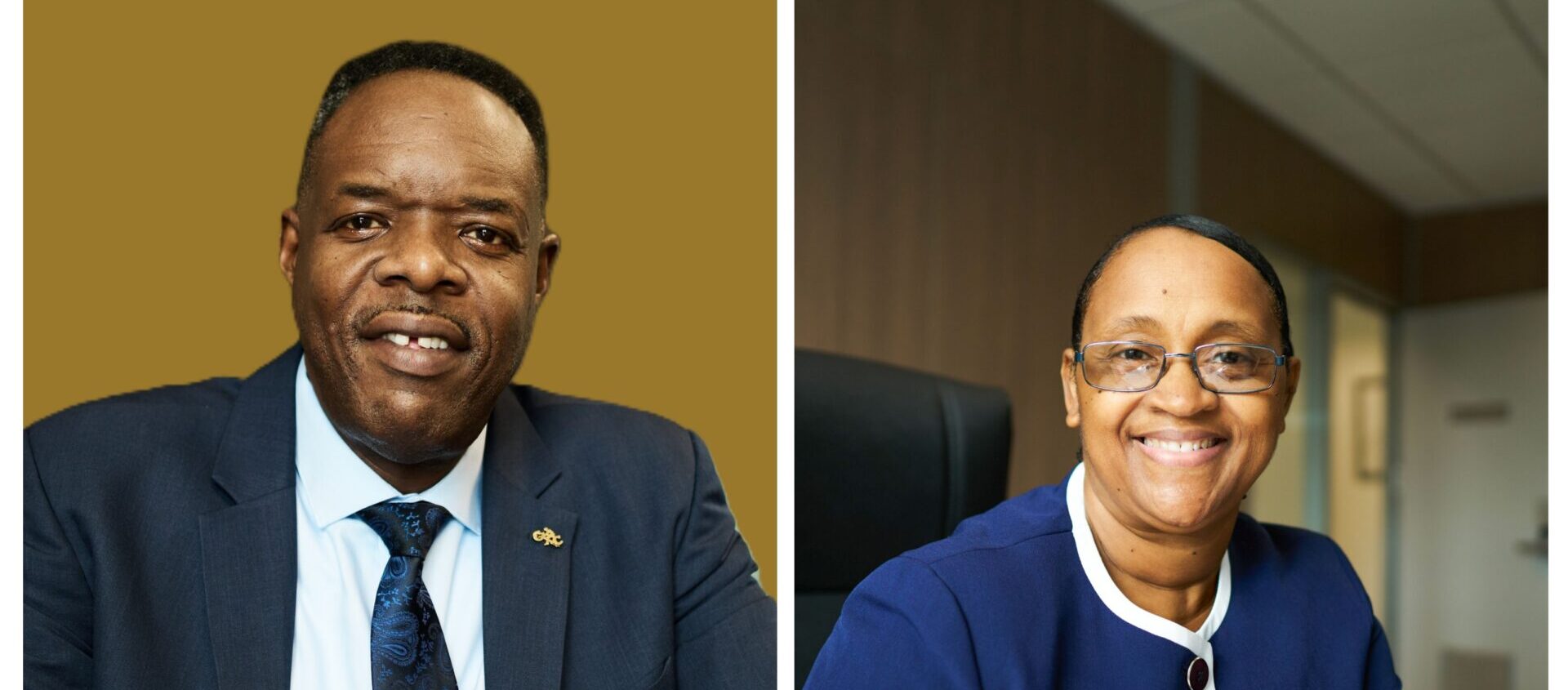
“The SBA has served Caribbean students well for nearly half a century, and we do not reform it lightly,” said Dr. Wayne Wesley, CXC Registrar and Chief Executive Officer. “But the integrity of our qualifications is not negotiable. When the system that was designed to assess a student’s work can no longer reliably do so, we have an obligation to act, and to act decisively.” Wesley added that the council recognizes generative AI can function as a valuable learning tool, and the reforms only seek to preserve public trust in the assessment process that Caribbean families, educators, and employers have relied on for generations.
The new framework adopts a targeted, subject-specific approach to assessment. For programs that rely heavily on hands-on, practical, or project-based work where in-person skill demonstration is critical, the traditional SBA model will remain in place. These subjects include Agricultural Science, Visual Arts, Music, Physical Education, Technical Drawing, and Food, Nutrition and Health. CXC has also announced it will strengthen moderation processes for these practical SBA programs to add an additional layer of integrity oversight.
For primarily theory-based subjects including Mathematics, English, Caribbean History, Social Studies, Principles of Business, and Information Technology, the traditional SBA will be phased out entirely over the next two years. In place of take-home, out-of-examination SBA projects, students in these subjects will complete Paper 032, an in-exam assessment that was previously used only as an alternative option for select candidates.
Under the revised Paper 032 model, students will receive their assessment topics one month in advance of the exam date to allow for extended research and preparation, will be granted extra time to complete the assessment, and will be permitted to bring approved reference notes into the exam room. This structure retains the original SBA’s focus on extended, reflective learning while ensuring all work submitted is completed by the student under supervised conditions, eliminating the risk of undetectable AI-generated content.
Dr. Nicole Manning, CXC Director of Operations, explained that the redesigned assessment strikes a careful balance between supporting meaningful learning and protecting the authenticity of student work. “The new, deliberate and necessary design of the SBA, preserves the spirit of extended, reflective assessment while restoring CXC’s confidence in authorship and authenticity,” Manning said. She emphasized that the value of CXC qualifications matters to every stakeholder in the region, from employers and universities to families that have invested years of time and resources into students’ education, making collective commitment to high assessment standards a shared priority.
CXC has outlined a clear implementation timeline for the transition. For CAPE candidates enrolled in non-practical, theory-based subjects, Paper 032 will replace the traditional SBA starting with the May-June 2027 exam session. For CSEC, the council will allow a one-year transition period, where schools can choose between the traditional SBA and the new Paper 032 model for their 2027 candidates. Starting with the May-June 2028 CSEC exam session, all non-practical subject candidates will be required to complete Paper 032. The council also confirmed that its existing two-year mark transfer policy will remain in place for both remaining SBA programs and the new Paper 032 assessment, allowing students to carry over valid scores from previous exam sittings under the same terms that have applied to SBA marks for decades.