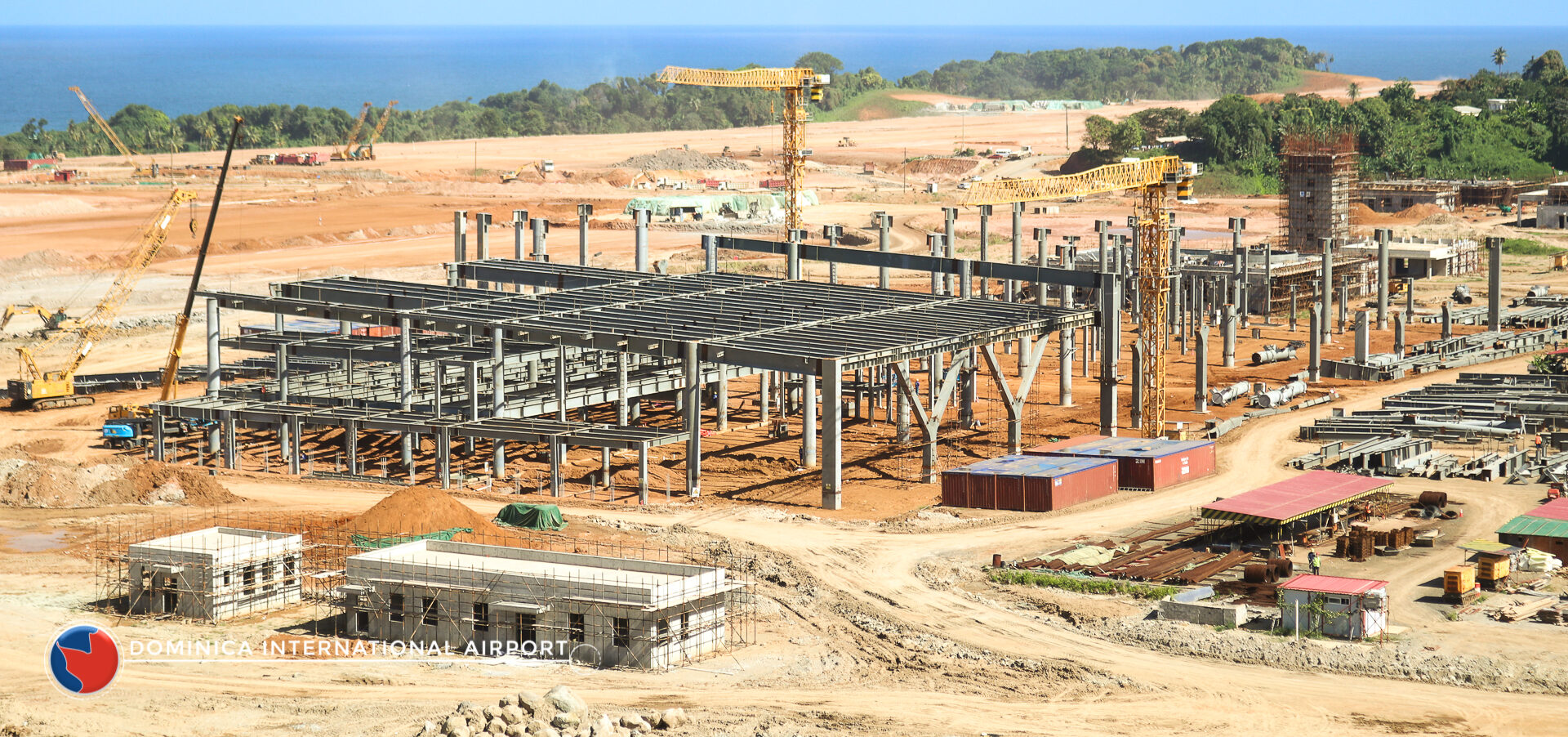
As Dominica pushes forward with construction of its new flagship international airport, scheduled for completion in 2027 under the leadership of lead developer Montreal Management Consults Development Ltd (MMC), the country’s main opposition United Progressive Party (UPP) is intensifying calls for full governmental transparency around the megaproject’s long-term financial outlook.
Led by party head Joshua Francis, the UPP has stressed it does not oppose infrastructure expansion that would boost the island nation’s global connectivity and support economic growth. Instead, the opposition says Dominican citizens deserve full access to details about the potential fiscal risks of a project of this scale, particularly given the unique economic vulnerabilities small island developing states face.
In a formal press release outlining its concerns, the UPP flagged a suite of interconnected global economic headwinds that could threaten the airport’s ability to operate without ongoing public funding: persistent global inflation, rising aviation and operational overhead costs, volatile post-pandemic tourism demand, and systemic economic fragility common to small island nations. The party warned that without sustained, robust economic growth across Dominica’s key sectors, local taxpayers could ultimately be forced to cover ongoing operational shortfalls through public subsidies.
To underscore its argument, the UPP pointed to the well-documented experience of Argyle International Airport in neighboring St. Vincent and the Grenadines, a similar large-scale infrastructure project built to drive tourism growth. Originally designed to handle between 1.2 million and 1.5 million annual passengers, Argyle has consistently fallen far short of its traffic projections. Official data from the airport’s early years shows just 185,224 passengers in 2017, 189,324 in 2018, and 203,465 in 2019, and the UPP says recent numbers remain a tiny fraction of the airport’s intended capacity. The opposition added that public records and government budget documents confirm St. Vincent and the Grenadines’ government has repeatedly allocated public funds to cover the airport’s maintenance and operational gaps.
Against that regional precedent, the UPP says the Dominican government must answer critical unaddressed questions before moving further with construction. These include how ongoing operational costs for the airport — including staffing, maintenance, runway repairs, security, and debt repayment — will be covered if passenger volumes fail to hit projections, whether covering those gaps will lead to higher taxes, increased user fees, or expanded national public debt, and whether a comprehensive independent feasibility assessment and long-term cost-benefit analysis have been completed and made available for public review.
The opposition emphasizes that Dominican residents must receive clear, unambiguous answers before the country commits future generations to what could be crippling, unsustainable long-term financial obligations. The UPP holds that all large-scale national infrastructure projects should be rooted in transparent planning, prudent fiscal management, realistic growth projections, and guardrails that protect taxpayers from excessive debt exposure.
To enable informed public debate around the project, the UPP is formally requesting the Dominican government publish a full set of key planning documents, including the complete economic feasibility study, long-term operational cost estimates, passenger and tourism demand projections, debt-servicing schedules, projected annual subsidy requirements, and contingency plans for scenarios where revenue falls short of forecasts.
In closing, the UPP stated that national development initiatives should be guided by evidence-based economic planning and public accountability, not short-term political priorities. The party reaffirmed its commitment to responsible infrastructure development, greater government economic transparency, and protecting Dominica’s long-term fiscal stability.