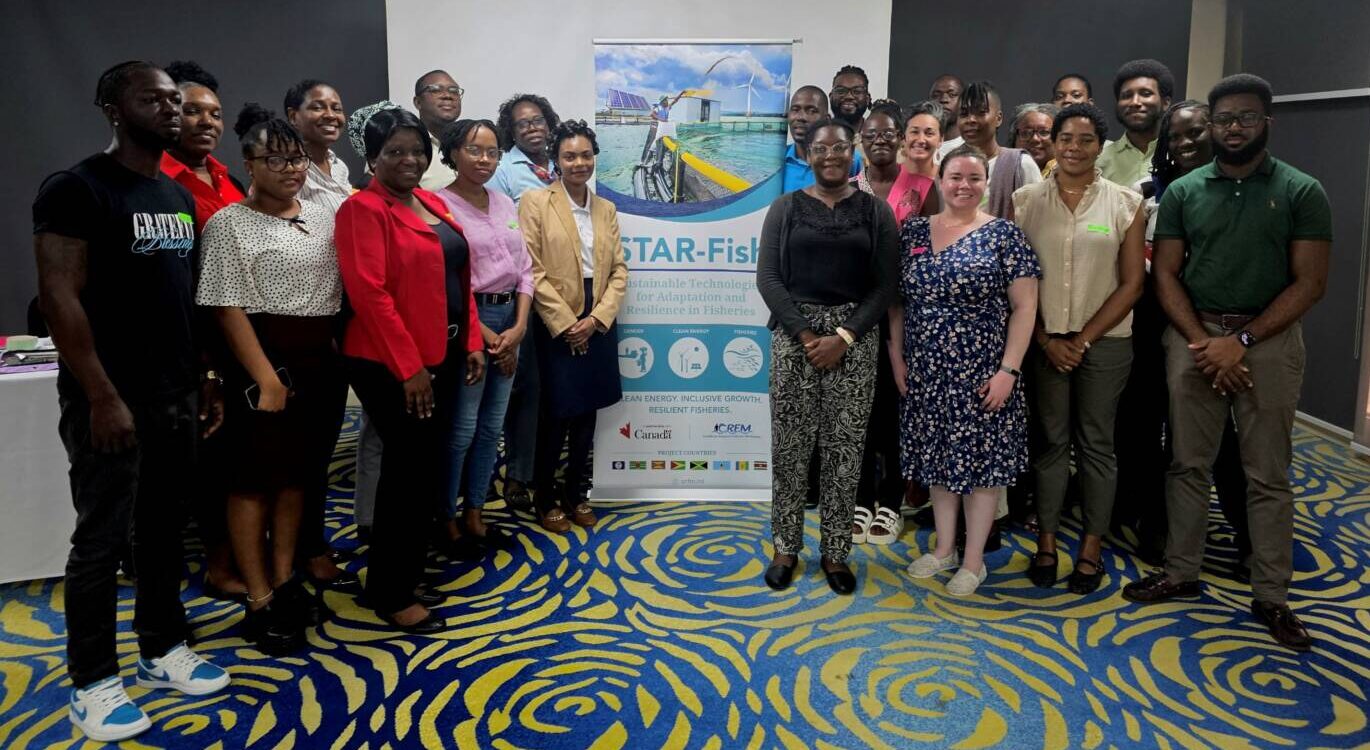
The Caribbean’s fisheries and aquaculture sectors, long foundational pillars of regional food security, livelihoods, and economic growth, face mounting dual pressures: skyrocketing global energy costs and accelerating climate change impacts that threaten the sustainability of small and large fishing operations across the region. In response, the Caribbean Regional Fisheries Mechanism (CRFM) is accelerating the rollout of clean energy interventions through its $4.324 million CAD flagship initiative, the STAR-Fish Project, short for Sustainable Technologies for Adaptation and Resilience in Fisheries.
Eight Caribbean nations are participating in the project: Belize, Dominica, Grenada, Guyana, Jamaica, St Lucia, St Vincent and the Grenadines, and Suriname. The core mission of the initiative is to boost both the resilience and market competitiveness of regional fisheries and aquaculture by shifting to low-carbon development models and deploying accessible clean energy infrastructure. Planned interventions span multiple stages of the fisheries value chain, from on-shore processing to distribution: key activities include identifying and rolling out appropriate renewable energy technologies, building energy-efficient cold storage facilities to strengthen cold chain logistics and reduce post-harvest waste, and providing targeted support for participating fisheries to earn international low-carbon sustainability certification.
At the project’s second Regional Project Steering Committee Meeting, held May 14, 2026, Sherron Barker, the STAR-Fish Project’s Regional Coordinator, formally presented the approved 2026–2027 Work Plan and Budget, which will guide the initiative’s third implementation phase. Near-term priorities outlined in the new work plan include developing bankable, locally adapted business models to attract private and public investment in clean energy technologies, supporting the conversion of existing fossil fuel-powered fish processing facilities to low-carbon energy systems, and expanding market access for fisheries that earn low-carbon certification.
Ena Ćimić, STAR-Fish Project Lead at the High Commission of Canada to Jamaica, which funds the initiative through Global Affairs Canada (GAC), opened the meeting by acknowledging the outsized role the sector plays across the Caribbean. “The Caribbean’s fisheries and aquaculture sectors are important drivers of economic activity, livelihoods, and food security across the region,” Ćimić noted, adding, “the sectors also remain highly vulnerable to climate change, rising energy costs, and evolving market demands.”
Ćimić emphasized that the project’s design addresses these vulnerabilities holistically: “The activities implemented through this project position STAR-Fish to further strengthen institutional capacity, advance gender-responsive approaches, and support the adoption of sustainable energy technologies within the fisheries and aquaculture sector, while also improving access to finance, enhancing competitiveness, and building resilience to climate and disaster risks across participating countries.”
Reflecting on the project’s progress over the previous implementation year, CRFM Secretariat Executive Director Dr. Marc Williams noted that the second year marked a critical turning point for the initiative, moving from foundational planning and research to coordinated, on-the-ground implementation across all participating nations. Key technical milestones achieved in the prior year included advancing work on renewable energy business model development, standardized carbon footprint measurement for fisheries operations, and establishing frameworks for low-carbon certification. One of the most significant achievements of the reporting period, Dr. Williams highlighted, was the completion of groundbreaking work on gender equality and social inclusion in the clean energy transition for Caribbean fisheries. This work has deepened regional understanding of how gender and social disparities shape access to the benefits of clean energy upgrades, supported the development of national and regional Gender Action Plans (GAPs) for Belize, Grenada, Jamaica, and St. Vincent and the Grenadines, and expanded gender-responsive capacity building and inclusive stakeholder engagement across all participating countries.
GAC has welcomed the project’s intentional gender-inclusive approach, Ćimić confirmed, noting that this focus is critical to ensuring that the gains of the clean energy transition are shared equitably across all segments of fishing communities. “This aligns with Canada’s priorities of advancing gender equality, climate action, and sustainable, inclusive growth, while also supporting expanded trade opportunities in the region,” she said, reaffirming GAC’s long-term commitment to supporting the CRFM-led initiative.
As the project enters its third implementation year, Dr. Williams noted that the initiative now has all the foundational structures in place to deliver tangible results: “We enter Project Year 3 with activities underway, strengthened governance arrangements, and a clearer pathway toward the practical application of renewable energy solutions across fisheries value chains in the Caribbean.”
Ćimić closed the meeting by reaffirming the shared commitment of all partners to the project’s mission: “We look forward to continuing to work with all of you to support effective implementation and to contribute to a more resilient, sustainable, and inclusive Caribbean fisheries sector.”