标签: Trinidad and Tobago

特立尼达和多巴哥

  • The Home Store closes in Chaguanas; MovieTowne Tobago shuts down

    The Home Store closes in Chaguanas; MovieTowne Tobago shuts down

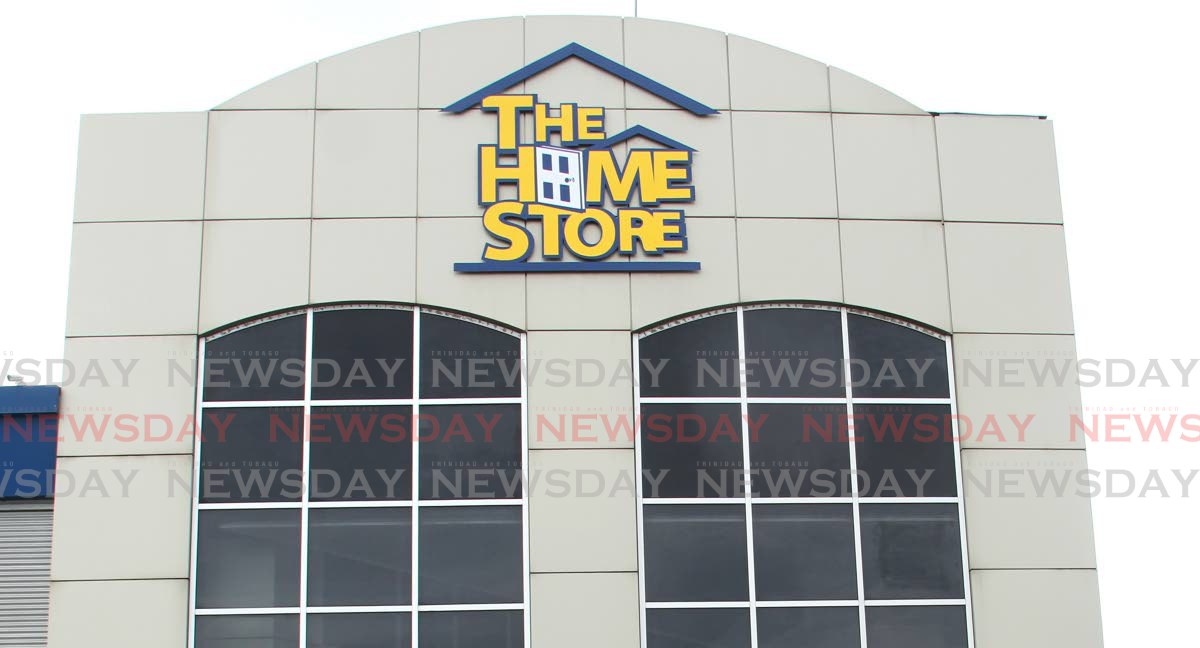
    Trinidad’s retail landscape continues to deteriorate as The Home Store announced the closure of its Chaguanas location on January 5th, marking the latest casualty in a series of economic challenges facing the Caribbean nation. This development follows closely on the heels of MovieTowne’s shutdown of its Tobago operations, creating a pattern of retail contraction across the region.

    The Home Store’s parent company, LJ Williams, attributed the decision to ‘the continued decline in the economy,’ reflecting broader systemic issues affecting consumer markets. This represents the fourth location closure for the home goods retailer in recent times, following previous shutdowns at East Gates Mall, C3 Centre, and The Falls at Westmall branches throughout 2025.

    Financial disclosures reveal LJ Williams recorded a comprehensive loss of $875,000 for the six-month period ending September 30th, showing slight improvement from the $974,000 loss documented during the same timeframe in 2024. Company turnover similarly declined, dropping to $71.35 million from the previous year’s $73.30 million.

    Chairman Lawford Dupres acknowledged the marginally improved loss margin but highlighted persistent challenges including weakened consumer spending and constrained access to foreign markets. These factors have significantly impacted the distribution aspect of their operations, prompting strategic shifts toward consolidating resources in higher-performing locations while reducing overall overhead costs.

    The company’s condensed financial statements, published November 6th, indicated $71.355 million in sales with an operating profit of $2.14 million—a figure ultimately negated by finance costs totaling $2.63 million. Management identified foreign exchange availability as a continuing critical factor, with future strategy emphasizing rigorous cost control and investment in outlets demonstrating ‘greater promise.’

    Meanwhile, MovieTowne’s simultaneous Tobago closure, though without explicit stated reason, follows widely publicized legal disputes with Port Authority landlords. In August 2024, the company’s lease holder, Trinidad Commercial Development Company Ltd, complied with a court order to pay $3 million to the authority. Questions regarding the Tobago branch’s economic viability have circulated since the COVID-19 pandemic, with closure rumors persisting throughout the recovery period.

    Amid these closures, MovieTowne continues operations in Port of Spain and San Fernando while implementing a buy-one-get-one promotional campaign throughout January in Trinidad locations, alongside discounted park ride offerings on weekends.
  • Another El Pecos blast lawsuit closer to trial

    Another El Pecos blast lawsuit closer to trial

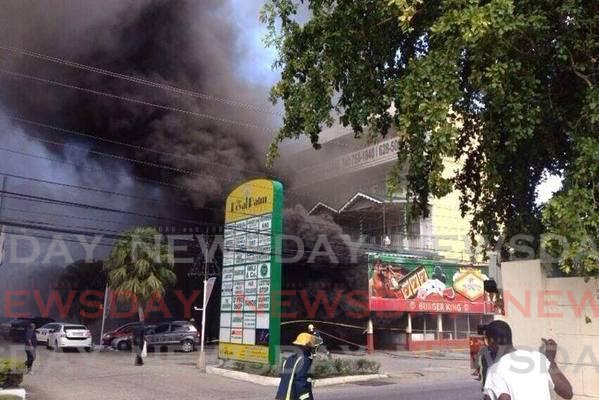
    A significant legal milestone has been reached in the protracted litigation surrounding the catastrophic 2015 El Pecos Restaurant gas explosion in Maraval, with one of the numerous related lawsuits now progressing toward trial. At a January 5 case management hearing, Justice Nadia Kangaloo solidified procedural timelines and scheduled a crucial pre-trial review for April 17, when trial dates will be formally established and evidential objections addressed.

    The judicial developments follow a pivotal December ruling by the Court of Appeal that upheld substantial negligence findings against North Plant LPG Co-Operative Society Ltd. In a unanimous decision, Justices Mark Mohammed and Peter Rajkumar affirmed Justice James Aboud’s judgment dismissing North Plant’s appeal against a $160,000 general damages award to Gregory Maicoo, an employee who sustained severe burns during the liquefied petroleum gas delivery incident.

    Justice Aboud’s comprehensive analysis validated trial judge Justice Ricky Rahim’s 2022 determination that North Plant breached its duty of care, emphasizing that Rahim’s conclusions were grounded in “a judicious evaluation of the evidence” without “material error that undermines his factual conclusions.” The appellate court notably rejected North Plant’s safety protocol defenses, finding the company’s arguments without merit.

    The legal proceedings encompass multiple dimensions of the tragedy, including compensation claims from seriously injured victims and insurance subrogation claims from neighboring businesses affected by the blast. Among the pending cases is a separate action filed by the brother of restaurant accountant John Soo Ping Chow, who succumbed to burn injuries four months after the explosion at a Miami hospital.

    Justice Kangaloo has advised legal representatives to monitor the upcoming February hearing in the Chow case for potential implications on their respective matters. The complex litigation landscape involves numerous represented parties, including Restaurant Holdings Ltd, National Petroleum Company Ltd, and El Pecos itself, all navigating a web of interconnected negligence and liability claims.

    Justice Aboud highlighted the inefficiency of addressing these claims individually, noting the missed opportunity for using a “test case or representative action” to establish negligence parameters, which risks “wasting valuable court time relitigating issues of fact that have already been determined.”

  • Minority Leader on TPP’s Blueprint: ‘It’s pure desperation’

    Minority Leader on TPP’s Blueprint: ‘It’s pure desperation’

    Tobago’s political landscape is embroiled in intense debate as the Tobago People’s Party (TPP) unveils its comprehensive 20-year development strategy, drawing sharp criticism from political opponents just days before the crucial Tobago House of Assembly (THA) election on January 12.

    TPP political leader Farley Augustine presented the ambitious blueprint during a January 1 event at Uptown Fascinators pan tent in Scarborough. The extensive document, scheduled for official publication on January 5, outlines strategic initiatives spanning constitutional authority, tourism enhancement, healthcare delivery, and public sector modernization through 2045, with specific focus on the 2026-2030 implementation period.

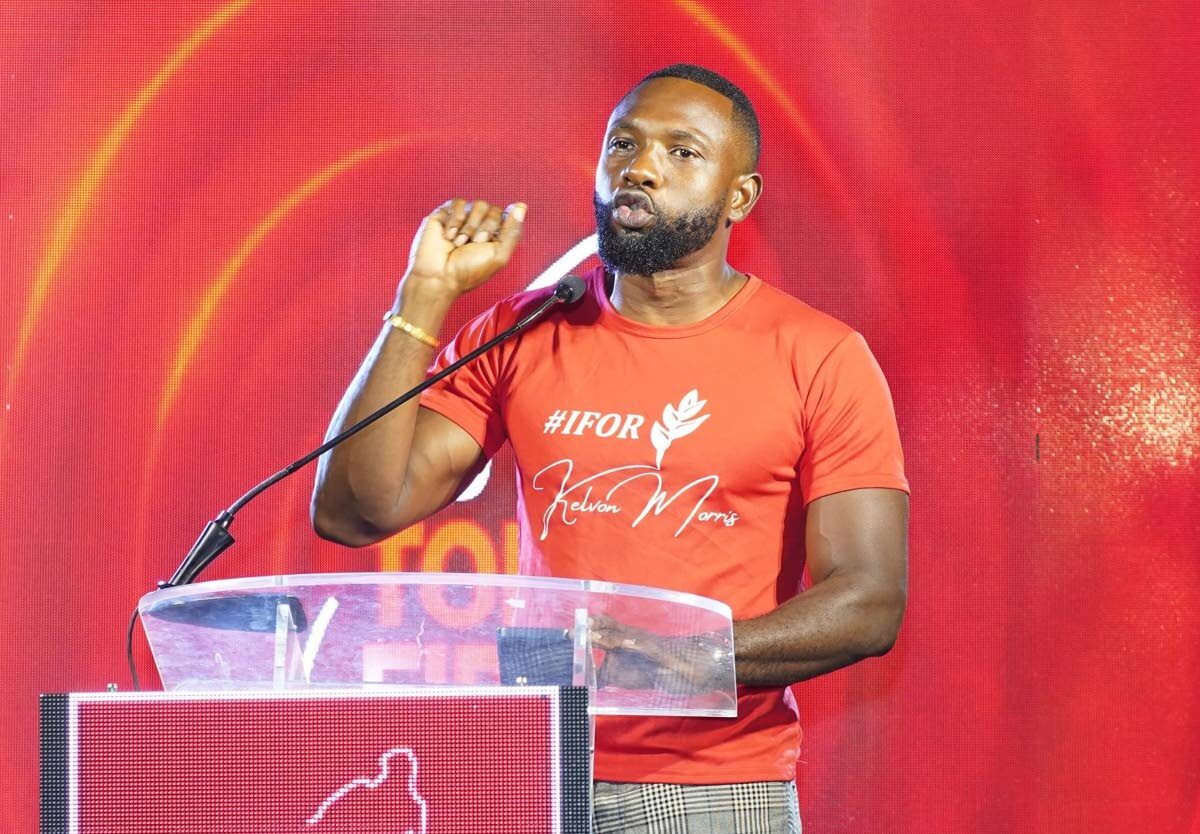
    However, THA Minority Leader Kelvon Morris launched a scathing attack on the proposal, characterizing it as “pure desperation” from a party facing imminent electoral defeat. In a WhatsApp interview with Newsday, Morris asserted that the TPP had hastily assembled a document built upon “lies, recycled failures and empty promises” while shamelessly appropriating policies from the PNM’s Big Bold Red initiative launched December 21, 2024, at Magdalena Grand Beach & Golf Resort.

    Morris, who is contesting the Darrel Spring/Whim electoral district, further intensified his criticism by labeling the TPP as essentially a satellite organization of the United National Congress (UNC), accusing its leadership of remaining conspicuously silent while Tobagonians faced job losses and economic hardships. He specifically referenced alleged abuses of contract workers and ignored industrial court rulings by the current administration.

    The Tobago Chamber of Industry and Commerce has adopted a more measured stance regarding both development plans. President Curtis Williams acknowledged both blueprints as “ambitious and exciting visions for Tobago’s future” while emphasizing that implementation effectiveness would ultimately determine their success. Williams stressed that transparency, accountability, and meaningful stakeholder engagement must remain central to any development agenda, particularly regarding decision-making authority, procurement processes, and financing mechanisms.

    The Chamber president confirmed their organization’s readiness to collaboratively engage with whichever party assumes governance while maintaining vigilant oversight regarding actionable timelines and measurable outcomes to ensure campaign promises translate into tangible economic progress for Tobago’s business community and general population.

  • Valencia woman shot dead

    Valencia woman shot dead

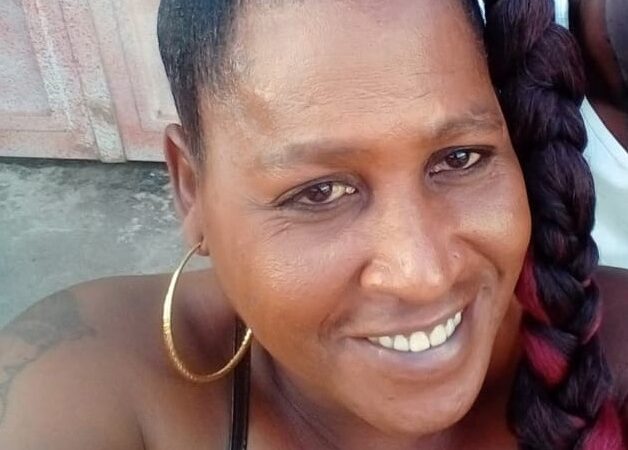
    A fatal ambush in Valencia has claimed the life of 52-year-old Nancy Almarales, who was shot dead while traveling in a private hire vehicle during the early hours of January 4. The incident occurred as Almarales was returning to her Clarence Trace residence to retrieve an item.

    According to eyewitness accounts and preliminary police reports, unidentified gunmen opened fire on the vehicle, unleashing a barrage of bullets that struck both occupants. Despite the sustained attack, the driver demonstrated remarkable presence of mind by maneuvering the damaged vehicle to the nearby Valencia Police Post, where he ultimately collided with the station’s perimeter wall.

    Law enforcement personnel responding to the crash discovered both individuals with critical injuries. The driver managed to relay details of the ambush to officers before losing consciousness. Emergency medical services transported him to a medical facility where he remains under treatment, currently listed in stable condition. Tragically, Almarales succumbed to her injuries at the scene despite attempts to save her.

    Family members revealed to news outlets that Almarales had been pursuing entry into the quarrying industry, reportedly forming a business partnership with a prominent attorney from the Sangre Grande region. Relatives disclosed they had previously expressed concerns about her involvement in this sector, citing specific death threats she allegedly received from rival quarry operators in December.

    This tragedy marks the latest chapter in a series of violent incidents affecting Almarales’ family. Her common-law husband, Sherwin Coxall, was fatally shot on June 11, 2024, in St Albans Village, Valencia. The pattern of violence continued with the murder of her brother-in-law, Devon Coxall, who was killed at his Williams Trace Extension residence on May 31, 2025. Local authorities are investigating potential connections between these incidents and the recent attack.

  • Pope: Put people first in Venezuela

    Pope: Put people first in Venezuela

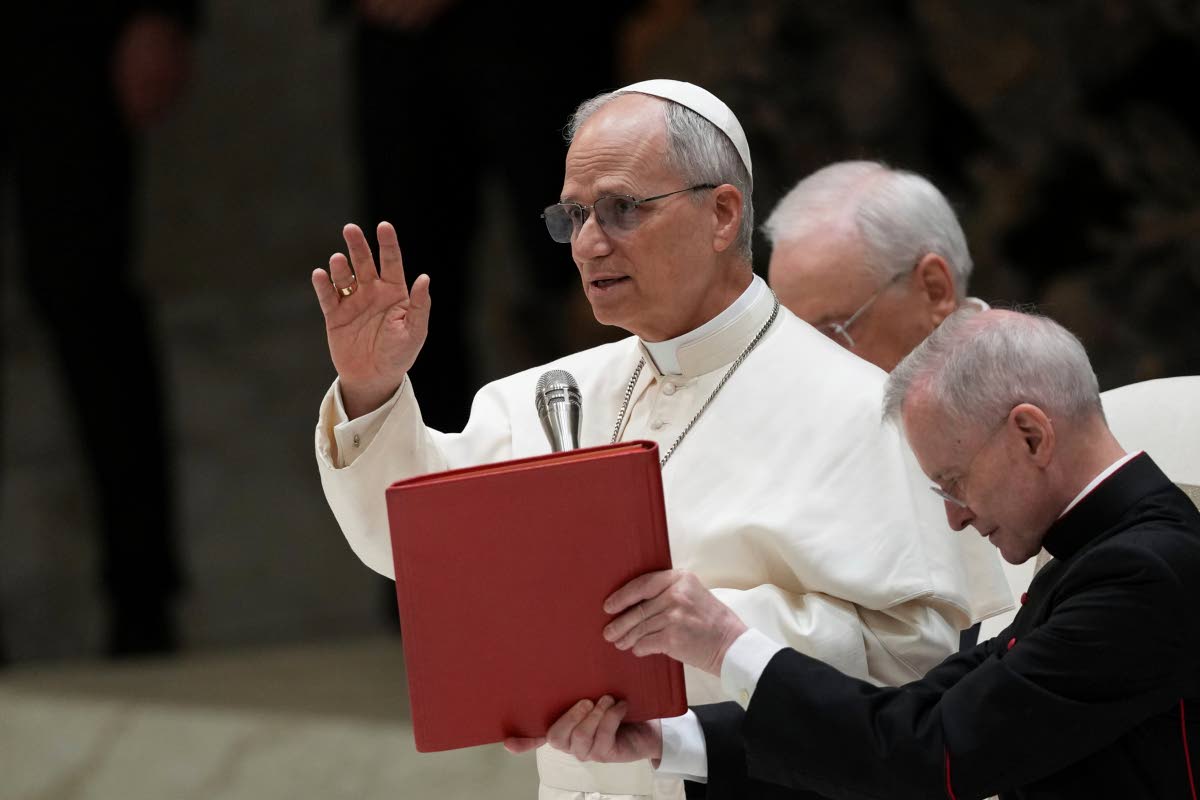
    In a significant diplomatic intervention, Pope Leo XIV has issued a heartfelt appeal for peace and stability in Venezuela through his official social media channels. The pontiff utilized both X (formerly Twitter) and Facebook on January 4th to express his profound concern regarding the escalating political situation in the South American nation.

    The Pope’s message emphasized that the welfare of Venezuelan citizens must take precedence above all other considerations. His Holiness articulated a clear vision for conflict resolution, advocating for the immediate cessation of violence and the pursuit of justice through peaceful means. The comprehensive address, available through digital platforms, further elaborated on essential prerequisites for national reconciliation.

    Leo XIV specifically highlighted the critical importance of preserving Venezuela’s constitutional sovereignty and maintaining the established rule of law. He stressed the necessity of safeguarding fundamental human rights and civil liberties for all citizens without exception. The pontiff particularly drew attention to the nation’s most vulnerable populations, who continue to endure severe economic hardships.

    The spiritual leader concluded his appeal with a call for collective prayer, invoking the intercession of Venezuelan saints—Our Lady of Coromoto, José Gregorio Hernández, and Carmen Rendiles—both canonized during his papacy. This religious dimension underscores the Vatican’s deep commitment to both spiritual and practical resolution of the ongoing crisis.

  • Beckles: Where is Kamla?

    Beckles: Where is Kamla?

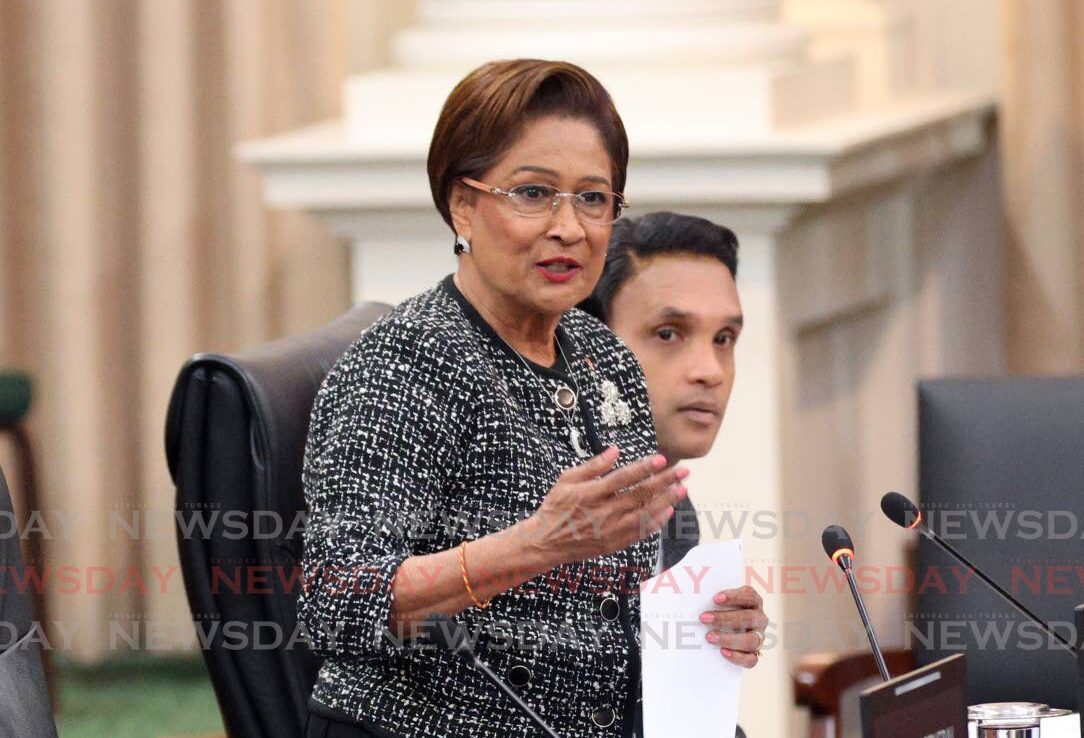
    Opposition Leader Pennelope Beckles has launched a scathing critique against Prime Minister Kamla Persad-Bissessar’s conspicuous absence from an official press conference addressing escalating regional security tensions. The January 4 briefing, attended by Foreign Affairs Minister Sean Sobers and Housing Minister David Lee, occurred amid heightened geopolitical instability following the US military’s interception of Venezuelan President Nicolas Maduro and the positioning of American naval assets in the southern Caribbean, including radar installations within Trinidad and Tobago’s territory.

    Beckles questioned the Prime Minister’s leadership through an online statement, asserting that the nation rightfully expected her presence during a period of international crisis. She characterized the government’s communication effort as fundamentally inadequate, noting that attending ministers appeared unprepared to address critical national security concerns. Instead, Beckles alleged, the conference devolved into discussions about Housing Development Corporation (HDC) matters—a diversion she labeled as frivolous political rhetoric.

    The Opposition Leader detailed specific failures during the briefing, highlighting Minister Sobers’ contradictory statements regarding both the venue selection and his participation in the National Security Council. His assertion that the Prime Minister need not address the nation because ‘no one in Trinidad feels unsafe’ drew particular criticism from Beckles, who emphasized the public’s right to transparency regarding airport operations, flight disruptions, and security cordons in Port of Spain.

    Beckles further challenged the government’s position on CARICOM relations, its engagement with the Tobago House of Assembly on security matters, and its adherence to international law under the UN Charter. The conference concluded abruptly when Minister Lee terminated the session without accommodating further media inquiries, leaving multiple questions about governmental coordination and leadership unanswered.

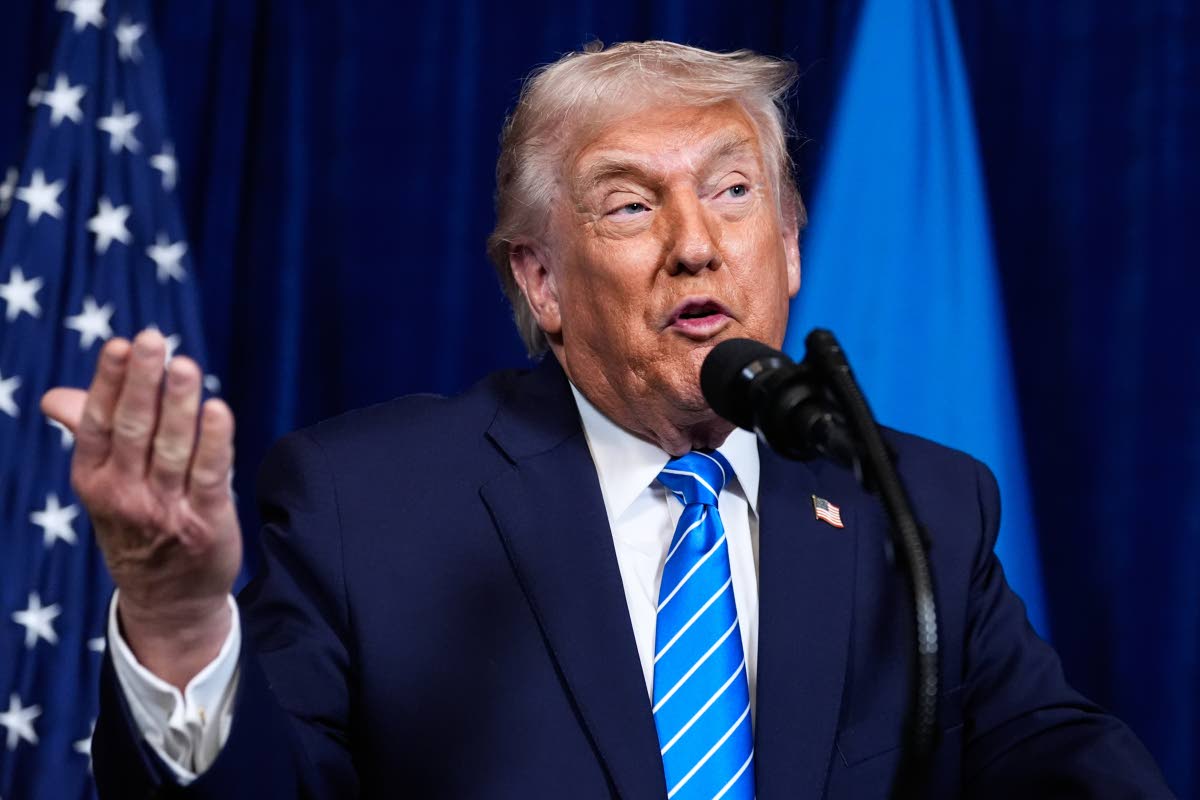
    In her closing remarks, Beckles contrasted Prime Minister Persad-Bissessar’s absence with the public engagements of other world leaders, including Barbados’ Mia Mottley, Guyana’s Irfaan Ali, and former US President Donald Trump, questioning why Trinidad and Tobago’s leadership remained unavailable during a definitive moment for national and regional security.

  • Sobers: PM is ‘on top of things’

    Sobers: PM is ‘on top of things’

    Trinidad and Tobago’s Foreign and Caricom Affairs Minister Sean Sobers has vigorously defended Prime Minister Kamla Persad-Bissessar against allegations of inadequate leadership following the dramatic capture of Venezuelan President Nicolás Maduro. Speaking at a press conference at UNC headquarters in Chaguanas on January 4, Sobers asserted the Prime Minister remains fully engaged and in control of the situation despite her absence from public addresses.

    The minister confirmed that US military forces executed a precision operation in Caracas at approximately 2:00 AM on January 3, extracting Maduro and his wife Cilia Flores to face trial in New York on multiple criminal charges including narcotics trafficking. The mission reportedly involved Delta Force operatives and was months in planning with CIA coordination.

    Sobers emphasized Trinidad and Tobago’s non-involvement in the extraction operation while reaffirming the nation’s continued support for the Venezuelan people during this transitional period. He dismissed suggestions that Venezuela considers Trinidad complicit in Maduro’s removal, stating diplomatic relations remain intact and all Trinidadian citizens in Venezuela have been accounted for.

    The minister highlighted strengthened US-Trinidad security cooperation, referencing November meetings between Persad-Bissessar and US Joint Chiefs of Staff General Dan Caine, joint military exercises with US Marines, and the installation of anti-narcotics radar systems at ANR Robinson International Airport. Sobers credited these collaborations with significantly reducing crime rates through combined US intervention and the Prime Minister’s strategic vision.

    Addressing concerns about transparency, Sobers maintained the government handles the evolving Venezuela situation with necessary discretion through the National Security Council, which the Prime Minister chairs. He defended the administration’s diplomatic approach to US-Venezuela tensions and dismissed criticisms about the press conference location at party headquarters rather than government facilities.

  • IR expert: Trump cannot run Venezuela

    IR expert: Trump cannot run Venezuela

    International relations specialist Anthony Bryan has categorically rejected U.S. President Donald Trump’s assertion that the United States would directly govern Venezuela following the military extraction of President Nicolás Maduro. The operation, conducted by U.S. forces in the early hours of January 3rd, resulted in Maduro and his wife Cilia Flores being removed from a fortified compound in Caracas.

    During a press briefing at his Mar-a-Lago estate in Florida, Trump declared that the U.S. would assume control of Venezuela’s administration and leverage its substantial oil reserves for international trade. However, the President provided no detailed explanation regarding the mechanics of this proposed governance structure or the composition of any transitional administration.

    Bryan, who serves as co-chairman of the Caribbean Policy Consortium, countered through WhatsApp communications on January 4th that “Trump cannot run Venezuela. Maduro is gone but the power structure in Venezuela remains.” The expert emphasized that constitutional succession had already occurred with Vice President Delcy Rodríguez assuming the presidency following Maduro’s capture.

    Trump acknowledged that Rodríguez had been sworn in as interim leader and had engaged in discussions with U.S. Secretary of State Marco Rubio, indicating her cooperation. However, the President simultaneously expressed skepticism about Rodríguez or any Maduro administration figures retaining power long-term.

    The U.S. leader also cast doubt on exiled opposition figure María Corina Machado’s potential involvement in any interim government, questioning her domestic support and respect within Venezuela. Trump promised imminent announcements regarding American designees who would ensure the country’s proper management.

    This development follows Bryan’s November expressed hope for diplomatic resolution between the two nations—a prospect Trump now claims Maduro squandered through missed opportunities. The President additionally asserted that American energy corporations would enter Venezuela to rehabilitate infrastructure and generate national revenue, with promised reimbursements for those economically impacted under Maduro’s regime.

  • Lee warns against squatting in HDC properties

    Lee warns against squatting in HDC properties

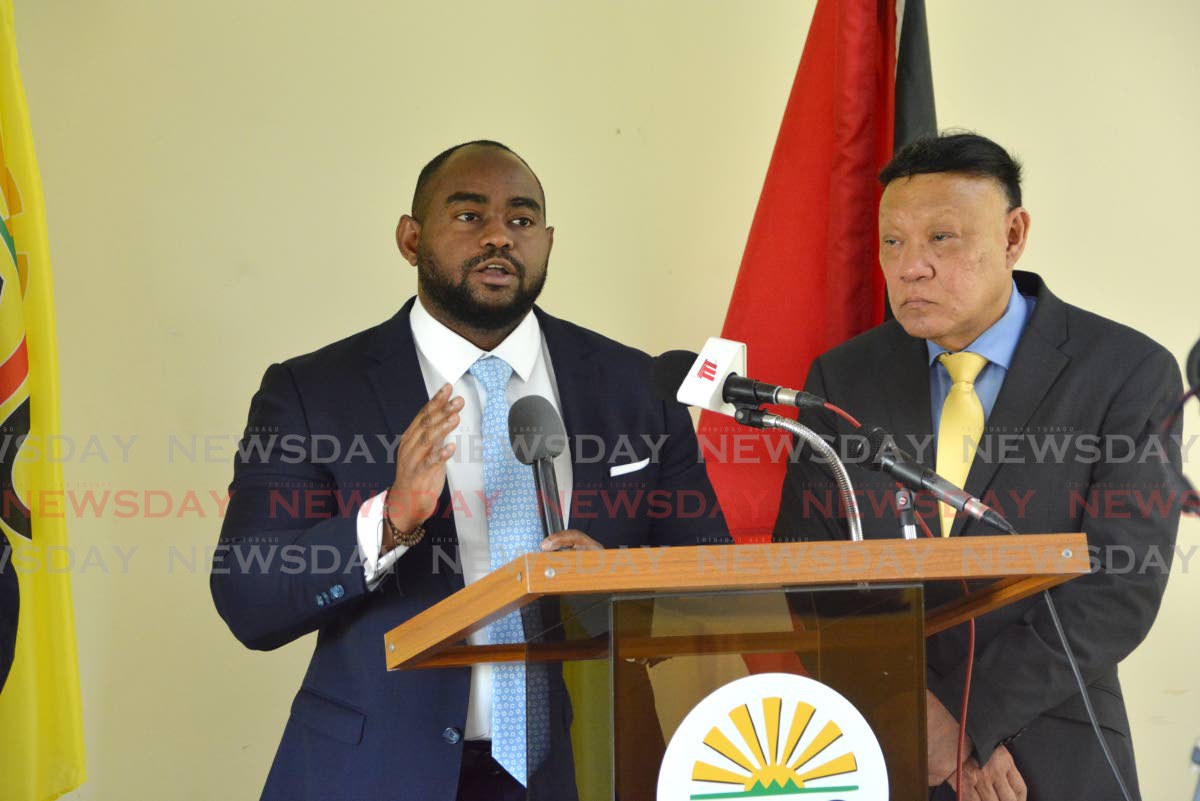
    Trinidad and Tobago’s Housing Minister David Lee has issued a stern warning against squatting in government-subsidized housing properties, declaring such actions will face zero tolerance from authorities. The minister’s comments came during a January 4 press conference at the UNC headquarters in Chaguanas, where he addressed growing concerns about unauthorized occupation of Housing Development Corporation (HDC) units.

    The crackdown follows a recent incident in Corinth where a family who had made payments for an HDC home discovered strangers attempting to occupy their property weeks before they were scheduled to receive keys. The couple filed an official police report on December 29 after being alerted to the unauthorized entry at their Riverside South townhouse near San Fernando.

    Minister Lee revealed that similar squatting attempts have emerged across multiple HDC settlements, including areas within his Caroni Central constituency. He strongly contested previous statements by former housing minister Camille Robinson-Regis suggesting the UNC administration permitted such activities. Lee emphasized that HDC chairman Feeroz Khan had never endorsed squatting in government housing.

    Producing documented evidence of squatting cases within HDC files, Lee asserted that neither he, Prime Minister Persad-Bissessar, nor the HDC would tolerate such ‘lawlessness.’ He warned potential squatters that law enforcement and HDC security divisions would collaborate to ensure only legally entitled occupants reside in government properties.

    Simultaneously, HDC chairman Khan disclosed significant financial challenges within the corporation, including over $600 million in outstanding payments to contractors. Khan criticized previous construction management practices under the PNM administration, alleging that houses worth approximately $500,000 were being constructed at costs nearing $2 million each. He claimed this benefited PNM associates and financiers while costing taxpayers millions in overpayments to contractors, including one instance of a $10 million overpayment.

    Despite these challenges, Khan assured the public that HDC has developed a recovery plan that includes increasing affordable housing production to bridge the gap between housing demand and availability.

  • PM: TT will work with any Venezuelan leader chosen in free elections

    PM: TT will work with any Venezuelan leader chosen in free elections

    Trinidad and Tobago’s Prime Minister Kamla Persad-Bissessar has articulated a firm stance on Venezuela’s political turmoil, emphasizing that Venezuelan citizens must autonomously determine their leadership through democratic processes. This position emerged following the dramatic capture of former Venezuelan president Nicolás Maduro by US military forces on December 3rd, who now faces narcotrafficking charges in American courts.

    In a written statement to Newsday on January 4th, Persad-Bissessar clarified that her administration would collaborate with any transition government provided it commits to conducting legitimate elections. “I support free and fair democratic elections,” she asserted. “I do not support any specific person or organization.” This declaration gains significance given her previous designation as persona non grata by the Maduro administration, where current disputed leader Delcy Rodríguez served as vice president.

    The Prime Minister additionally endorsed US military involvement in the region, noting its contribution to enhanced security for Trinidad and Tobago. Her comments arrive amid contradictory signals from Washington, where President Donald Trump initially endorsed Rodríguez’s leadership while simultaneously declaring American oversight of Venezuelan affairs, while dismissing opposition figure María Corina Machado as lacking popular support.

    Political analyst Dr. Indira Rampersad provided critical context, noting the extraordinary nature of political alliances while expressing skepticism regarding Rodríguez’s viability as leader. “Rodríguez remains fundamentally aligned with Maduro’s ideology and governance approach,” Rampersad observed. She characterized Trump’s endorsement as potentially impulsive and questioned its implementation mechanics.

    Rampersad anticipates significant challenges for Rodríguez, predicting her leadership would prove transient due to overwhelming public demand for genuine change. With approximately eight million Venezuelan migrants worldwide experiencing newfound stability, she suggests widespread resistance to returning to previous governance models. The academic emphasized that only internationally observed elections producing a democratically elected government would establish the legitimacy necessary for meaningful international engagement.