标签: Trinidad and Tobago

特立尼达和多巴哥

  • Doctor’s court application dismissed

    Doctor’s court application dismissed

    In a significant judicial ruling, the High Court has rejected a medical doctor’s attempt to advance his judicial review claim against the Children’s Authority without the agency’s defense. Justice Robin Mohammed delivered the comprehensive written decision that simultaneously denied the Authority’s motion to dismiss or suspend proceedings, ensuring the constitutional challenge will be heard on its substantive merits.

    The case originated from the Children’s Authority’s August 16, 2022 decision to remove the physician’s two minor children following allegations of abuse. The doctor subsequently filed a fixed-date claim on December 21, 2022, contending the removal was unreasonable, arbitrary, and violated his constitutional rights to due process and family life under sections 4(b) and 4(c) of the Constitution.

    Justice Mohammed characterized the doctor’s request for undefended proceedings as ‘draconian’ in nature, noting that such relief effectively amounted to a default judgment—expressly prohibited in fixed-date claims under Civil Proceedings Rules. However, the court demonstrated judicial flexibility by granting the Authority’s application for extended filing deadlines, acknowledging confusion regarding whether the agency qualified as ‘the state’ for procedural purposes, compounded by staffing transitions within its legal team.

    The court determined that while the Authority missed the standard 28-day response window, the delay was relatively brief and unintentional. Justice Mohammed emphasized that the public significance of child protection matters and the seriousness of constitutional allegations warranted hearing the Authority’s evidence. ‘The prejudice to the claimant of a short further delay is outweighed by the greater prejudice to the administration of justice in deciding such a claim without the defendant’s evidence,’ the judgment stated.

    Additionally, the court rejected arguments that the judicial review constituted an abuse of process or improper collateral attack on prior Children’s Court and Court of Appeal decisions that had upheld interim wardship orders. The ruling distinguished the current proceedings as addressing distinct public law and constitutional issues regarding the lawfulness of the initial removal—matters not previously adjudicated.

    The court also denied an alternative application to stay proceedings pending parallel Family Court actions, reasoning that such suspension would unjustly delay resolution of constitutional complaints without advancing judicial efficiency. The Authority must now file its response affidavit within 21 days, with the case scheduled for case management conference on February 5. Costs determinations were reserved pending final resolution of the substantive claim.


  • The foundation for plant growth

    The foundation for plant growth

    Beneath the surface of every thriving garden lies an often underestimated hero: soil. This complex ecosystem serves as the fundamental bedrock for plant development, providing structural support, essential nutrients, and vital hydration. Comprising four primary components—minerals, organic matter, air, and water—soil functions as a dynamic living system that sustains plant life through multiple mechanisms.

    The composition of soil directly influences plant vitality, with different species requiring specific growing mediums that mimic their natural habitats. Tropical bromeliads flourish in well-draining, airy mixtures featuring orchid bark and perlite, while aroids like Philodendron and Monstera prefer chunky, organic-rich blends that balance moisture retention with proper aeration. Desert-adapted cacti and succulents demand fast-draining sandy compositions with minimal organic content, contrasting with moisture-loving ferns that thrive in humus-rich, consistently damp environments.

    Orchids present a unique case study in specialized soil requirements. As epiphytes that naturally grow on trees rather than in ground soil, they require unconventional growing media that prioritizes airflow and drainage. Various orchid species have distinct preferences: Phalaenopsis orchids perform best with fine bark and sphagnum moss, while Cattleyas prefer coarse bark with charcoal, and Dendrobiums excel in coconut husk and perlite mixtures.

    The science of soil management extends beyond simple composition. Factors such as particle size, water retention capabilities, and microbial activity collectively determine whether plants merely survive or truly thrive. By understanding these intricate relationships between soil properties and plant requirements, gardeners can create optimized environments that support robust root development, nutrient uptake, and overall plant health.

    This knowledge transforms gardening from guesswork into a scientific practice, enabling cultivators to replicate natural ecosystems within controlled environments. The result is not just healthier plants but more sustainable and vibrant landscapes that reflect a deeper understanding of botanical needs.

  • Uptown Fascinators, D South Band share small pan title

    Uptown Fascinators, D South Band share small pan title

    In an unprecedented turn of events at Skinner Park, San Fernando, Southern Steel Orchestra (D’South Band) from Siparia and Uptown Fascinators from Tobago were crowned joint champions of the National Panorama Small Conventional Band Finals on January 10th. The remarkable deadlock occurred after both ensembles achieved identical scores following an intense musical showdown that extended into the early hours of January 11th.

    The competition witnessed both bands maintaining dominant positions throughout the preliminary and semi-final rounds. When official scores were announced around 2 am, the identical point totals triggered immediate celebrations as musicians from both groups stormed the stage in shared triumph. The announcement by event host Jemma Jordan created such enthusiastic responses that stage managers temporarily struggled to maintain protocol during the trophy presentation ceremony attended by Pan Trinbago president Beverly Ramsey-Moore, Culture Minister Michelle Benjamin, and Parliamentary Secretary Dr. Narindra Roopnarine.

    This represents the second consecutive year where the small band championship has been shared between ensembles from Trinidad and Tobago, demonstrating the remarkable parity in the national steelpan scene. Last year’s co-champions, Golden Hands and T&TEC East New Dimension, were unable to defend their title successfully.

    Golden Hands secured third position with 278 points despite facing significant adversity when a vehicle crashed into their rehearsal facility just hours before the competition. Their performance of ‘All Aboard,’ arranged by Vanessa Headley-Brewster, featured nautical-themed costumes and guest vocalist Tony Prescott.

    Tunapuna Tipicia Steel Orchestra claimed fourth place with 276 points, while T&TEC East Side Dimension and the Trinidad and Tobago Defence Force Steel Orchestra tied for fifth position with 275 points each. The competition overall featured six separate ties among the sixteen finalist bands, highlighting the exceptionally close nature of the musical contest.

    Uptown Fascinators delivered a visually spectacular performance of ‘Crazy’s Band From Space’ arranged by Ojay Richards, complete with science fiction costumes and a spaceship prop from which Richards made his theatrical exit. Richards noted that many prognosticators had expected East Side Dimension to claim victory, but his ensemble’s performance firmly established them as championship contenders.

    D’South Band, performing in the ninth position, generated powerful patriotic sentiment with their presentation of ‘Let Us Build a Nation Together’ arranged by Duvone Stewart. Their performance incorporated national imagery featuring the President, Prime Minister, Opposition Leader and THA Chief Secretary, alongside historical references and a voice-over recording by the late Dr. Eric Williams. This evocative presentation prompted some audience members to prematurely declare victory during the performance.

    Rikella Marshall, vice-captain of D’South Band, emphasized the special significance of their victory, noting this marked only their third appearance in the competition and their second year collaborating with arranger Stewart. She credited two months of intense preparation and personal sacrifices by band members, many of whom are students balancing academic commitments with musical excellence.

    Culture Minister Michelle Benjamin, attending her first small band finals since assuming office, praised the energetic contributions of young performers and reaffirmed governmental support for preserving cultural traditions. Meanwhile, Pan Trinbago president Ramsey-Moore congratulated all participating bands while expressing disappointment regarding logistical challenges including inadequate stage dimensions that contributed to scheduling delays. She apologized to attendees while clarifying that these issues were beyond the organization’s direct control.

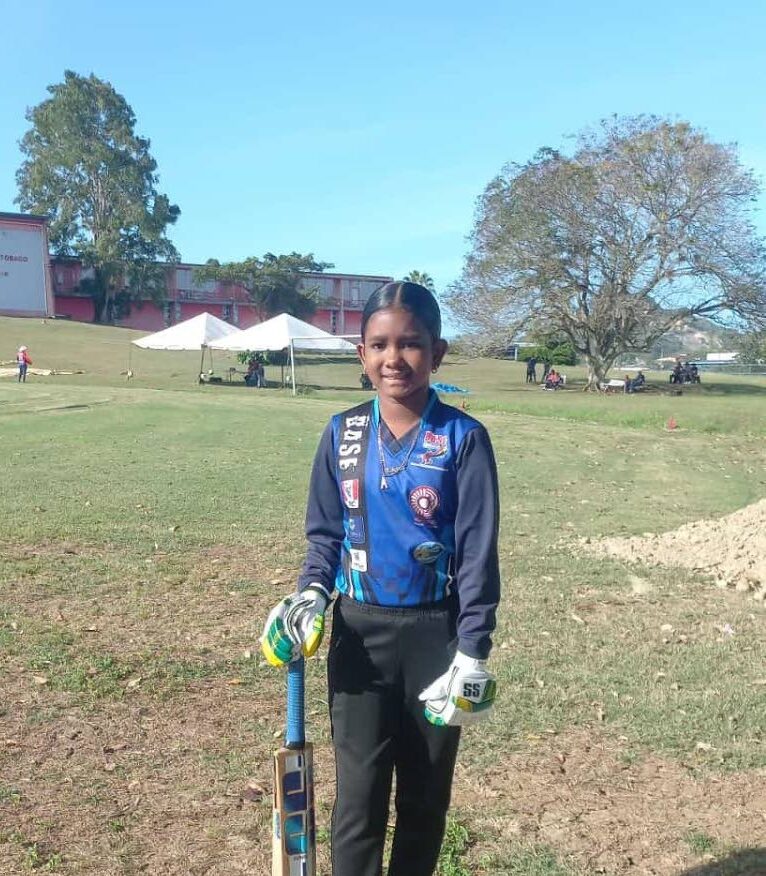
  • Amara excelling from classroom to crease – Nine-year-old balances cricket, school and big dreams

    Amara excelling from classroom to crease – Nine-year-old balances cricket, school and big dreams

    In Trinidad and Tobago, where cricket reigns as a national passion, nine-year-old Amara Jasmin Gopichandsingh is redefining what it means to be a young athlete. The Tabaquite Presbyterian School student demonstrates extraordinary balance between academic rigor and athletic pursuit, maintaining straight-A grades while developing into a promising cricket talent under professional guidance.

    Gopichandsingh’s cricketing journey began in early childhood as the youngest of five children in a family deeply immersed in the sport. ‘When I was really small growing up, and I went cricket with my dad, the guys on the team would always bowl the ball to me,’ she recalled. ‘There, I realized the love and passion I had for the game.’ Her family’s legacy includes two older brothers who played with South East Trinidad Zone Cricket and represented Powergen at the Under-19 level, plus parents who competed successfully in both windball and hardball leagues nationwide.

    The young athlete initially faced challenges entering a male-dominated sport. ‘I felt nervous and shy when I first started training because I was placed in a group with only boys…I would always be the last one to be chosen,’ she confessed. Through determination and skill development, she reversed this dynamic: ‘Until I started to play even better than them, and now, I’m up the line when it’s time to choose.’

    Since 2023, Gopichandsingh has trained at the Samuel Badree Cricket Academy at the University of TT Campus in Tarouba, supplementing Saturday sessions with three weekly practices with her father. Former West Indies cricketer Samuel Badree, who oversees her development, praised her attitude: ‘I would describe Amara’s attitude as one of eagerness. She is very enthusiastic, and she comes to every session with a lot of alacrity.’ He highlighted her receptiveness to coaching feedback and willingness to try new techniques as exceptional traits for a young athlete.

    Badree’s academy employs a structured development pathway, and Gopichandsingh has progressed from beginner to intermediate levels where she now practices advanced skills and drills. The program ultimately leads to hardball cricket and high-performance training for exceptional talents.

    Academic excellence remains equally prioritized through careful scheduling managed by her mother, Ameela Hosein. ‘She manages school and cricket by following her schedule and always being focused,’ Hosein noted. ‘She is not an average nine-year-old — she knows her goals, and she is determined to push herself to one day achieve all of them.’

    Beyond cricket, Gopichandsingh enjoys reading, family time, and creative writing, excelling particularly in Mathematics and English. Her aspirations include attending Naparima Girls’ College, representing Trinidad and Tobago nationally, and eventually playing for the West Indies women’s team. She also envisions becoming a teacher to share knowledge with future generations.

    To other girls considering cricket, she offers simple advice: ‘Always believe in yourselves, be confident and do not be afraid to try.’

  • Is a Caribbean army the answer to foreign threats?

    Is a Caribbean army the answer to foreign threats?

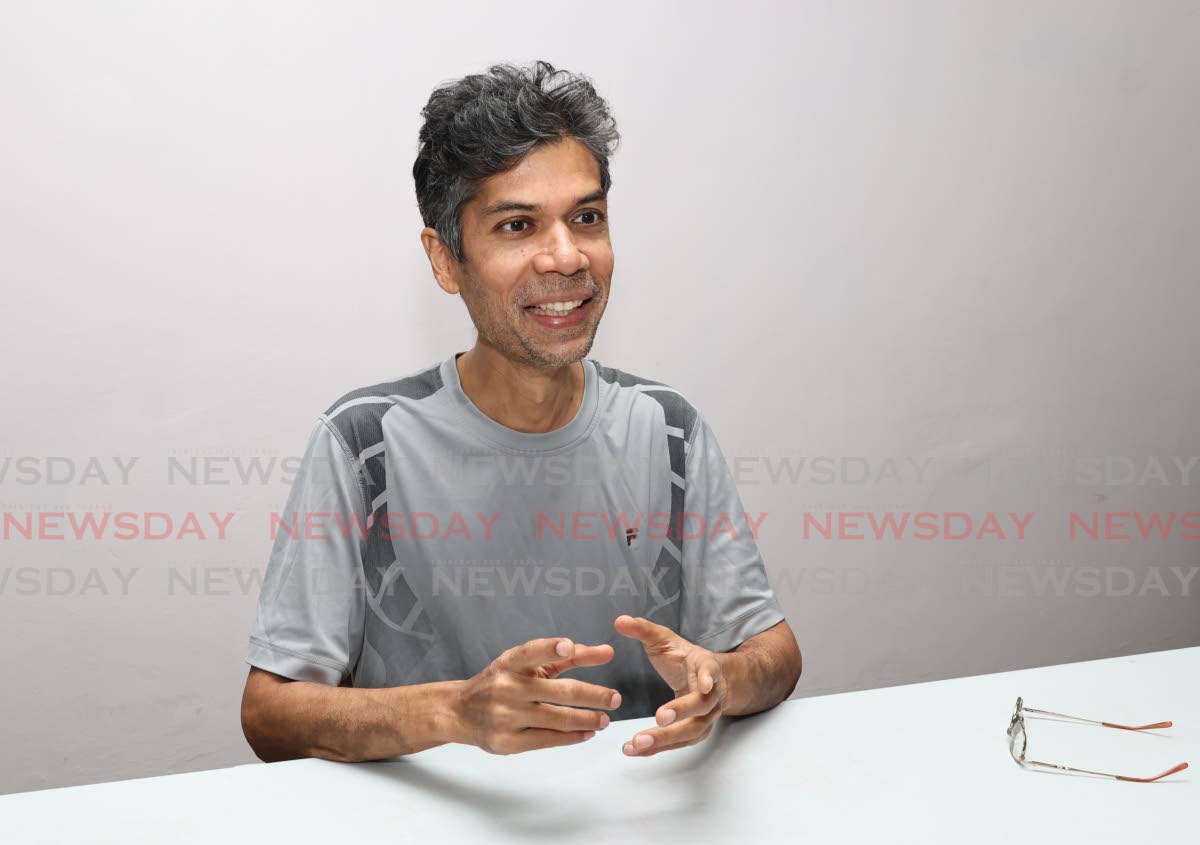
    Amid escalating global geopolitical instability, prominent historian Dr. Jerome Teelucksingh has advocated for the establishment of a unified Caribbean military force. During an exclusive interview on January 6, the University of the West Indies lecturer emphasized the urgent need for regional defense collaboration, citing increasing international hostilities and the Caribbean’s strategic position in global trade networks.

    Dr. Teelucksingh pointed to historical precedent through the British West Indies Regiment, established in 1915 during World War I, which successfully integrated over 15,600 soldiers from across the Caribbean under British command. He asserted that creating a contemporary regional army is neither impractical nor unprecedented, noting that the 20th century already demonstrated the viability of such collaborative military efforts.

    The historian proposed utilizing existing national military structures rather than building entirely new formations, suggesting incorporation through frameworks similar to the US and Canadian military systems. He emphasized the necessity of including all Caribbean nations—English, Spanish, Dutch, and French-speaking territories—while acknowledging potential challenges regarding funding allocation and inter-island rivalries.

    Critical to this vision is the development of advanced defense capabilities, including drone technology, artificial intelligence, and region-specific military research laboratories. Dr. Teelucksingh recommended educational partnerships between Defense and Education Ministries to establish military science programs at institutions like Trinidad and Tobago’s COSTATT, emphasizing the importance of regional self-reliance in defense technology development.

    However, political scientist Dr. Bishnu Ragoonath expressed significant skepticism regarding the proposal’s feasibility. He cited the region’s fractured political landscape, referencing the failed West Indies Federation (1958-1962) and current challenges with CARICOM implementation, including the incomplete adoption of the Caribbean Court of Justice and Common Market agreements.

    Dr. Ragoonath highlighted fundamental obstacles such as the absence of unified foreign policies—evidenced by multiple Caribbean embassies in Washington—and questioned the financial viability of a regional defense budget given existing commitments to institutions like the University of the West Indies. He suggested that immediate security concerns might necessitate continued reliance on former colonial powers rather than expecting rapid development of new regional institutions.

  • Walk for peace…and in peace

    Walk for peace…and in peace

    A remarkable 2,300-mile peace pilgrimage from Texas to Washington DC is underway, led by 24 Buddhist monks accompanied by their rescued canine companion, Aloka. The journey, which commenced on October 26 with an anticipated February arrival, represents a powerful spiritual mission advocating for global compassion and non-violence.

    The monks’ adopted dog, Aloka—a Sanskrit name meaning ‘light’ or ‘radiance’—has become an unexpected symbol of their message. Originally a stray from India, this ordinary-looking dog now embodies the extraordinary capacity for compassion that defines their mission. His presence alongside the orange-robed monks has created touching moments that resonate deeply with those following their journey.

    The pilgrimage took a dramatic turn on November 19 when a pickup truck collided with the monks’ escort vehicle, resulting in life-altering injuries to Venerable Phra Ajarn Maha Dam Phommasan. The accident necessitated the amputation of one of his legs. Remarkably, Phommasan responded with immediate forgiveness and compassion toward the driver, inspiring medical staff and fellow pilgrims alike.

    Paradoxically, this tragedy brought unprecedented attention to their cause. Phommasan noted that before the accident, their peace movement received little recognition. Now,沿途 communities are gathering to offer gifts and emotional support, many moved to tears by the monks’ dedication in a world increasingly characterized by division and conflict.

    The article draws parallels to local infrastructure challenges in Trinidad and Tobago, noting the dangerous conditions for pedestrians on poorly lit roads without adequate sidewalks. The commentary argues that true compassion must extend to urban planning, creating safe spaces for vulnerable road users before organizing symbolic peace walks.

    While celebrating the monks’ inspirational journey, the piece concludes with a pragmatic call to action: communities must first ensure basic safety for pedestrians before embarking on symbolic peace marches, emphasizing that practical compassion begins with protecting citizens from becoming road fatality statistics.

  • Government’s Carnival give and take

    Government’s Carnival give and take

    The Trinidad and Tobago government’s management approach for Carnival 2026 has triggered widespread discontent among cultural stakeholders, creating operational challenges and financial strain across the festival ecosystem. While Cabinet approved $2.3 million in funding for 145 unsponsored steelbands—providing $20,000 to conventional bands and $10,000 to single bands—this minimal support fails to address the systemic issues plaguing the cultural sector.

    The disruption extends to educational institutions, where school steelbands received inadequate notice about the relocation of finals to Skinner Park. This sudden venue change forced many school bands, dependent on community steelband equipment, to withdraw due to insurmountable transportation logistics. In response, Pan Trinbago introduced an under-19 category for Sunday’s Junior Panorama competition, prompting several school bands to rebrand and participate in this alternative event.

    Simultaneously, Culture Minister Michelle Benjamin has initiated an audit into the National Carnival Commission’s (NCC) financial management. Concerns emerged after the state entity expended its $141 million budget allocation plus a $200 million loan against mere $11 million gate receipts. This spending pattern barely covers interest on the NCC’s accumulating $178 million debt, raising questions about the commission’s fiscal responsibility and the nebulous economic benefits traditionally attributed to Carnival.

    Despite these challenges, creative communities demonstrate resilience. The National Dance Association of TT revitalizes traditional arts by reintroducing limbo to the national calendar with “Doh Fraid De Fire,” marking the first national limbo competition in nearly twenty years. Meanwhile, local committees like Couva’s Carnival Committee actively seek corporate sponsorship to supplement inadequate NCC subventions, exemplified by Thursday’s crowning of Nyasa Semper as Miss Central Trinidad.

    The overarching issue remains the absence of coherent strategy and meaningful consultation with vulnerable stakeholders. The government’s current approach resembles attempting to steer a massive vessel with abrupt, uncoordinated movements rather than implementing measured, strategic course corrections supported by verifiable economic data and transparent planning.

  • Talk Tent returns for Carnival at Queen’s Hall

    Talk Tent returns for Carnival at Queen’s Hall

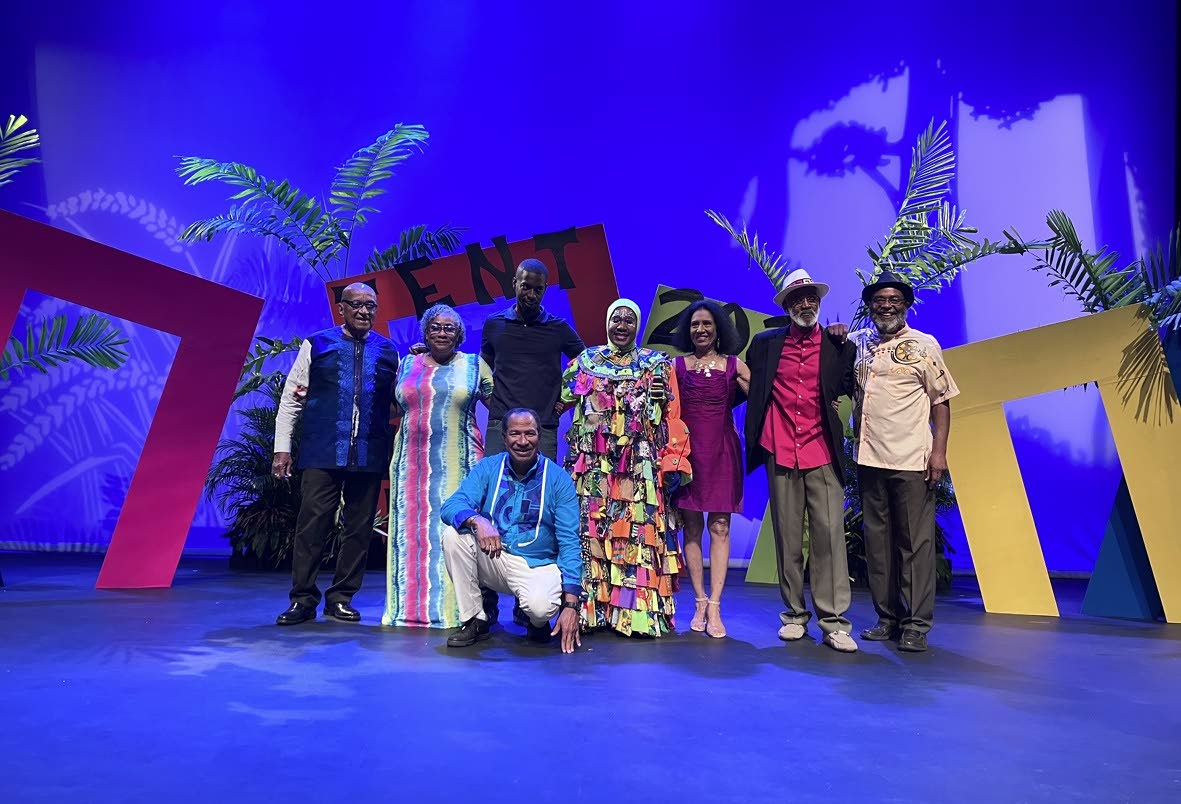
    As Carnival season approaches, Trinidad and Tobago’s longest-running talk show performance, Talk Tent, prepares to captivate audiences with its unique blend of cultural storytelling, comedy, and social commentary. Established in 1983 by visionary producer Paul Keens-Douglas, this iconic event has evolved from its humble beginnings in a canvas tent on Victoria Avenue to becoming an institutionalized post-Carnival tradition at Queen’s Hall Conference Centre.

    The event’s foundation rests on bringing together distinguished ‘men of words’ – including midnight robbers, pierrot grenades, and black Indians – showcasing their verbal artistry during Carnival celebrations. Under the motto ‘Where Talk Is Art,’ the production maintains its commitment to quality family entertainment while emphasizing educational values through diverse oral traditions.

    This year’s lineup features an impressive roster of Caribbean performers: spoken word poet Seth Sylvester, performance poet Miguel Browne, pierrot grenades specialists Felix Edinborough and Keomi Serrette, calypsonian Llewellyn ‘Short Pants’ Mac Intosh, along with Farida Chapman, Avion Crooks, MC David Bereaux, and founder Keens-Douglas himself as master storyteller.

    The 2024 performances are scheduled for February 21-22 at Queen’s Hall Conference Centre in St. Ann’s. Tickets priced at $300 are available at multiple outlets including Crosby’s, RIK locations in Trincity and Gulf City, Domon’s Shoe Store in Long Circular Mall, Metropolitan Book Suppliers on Ariapita Avenue, and directly at Queen’s Hall. Attendees can also purchase exclusive show-priced books, CDs, and DVDs featuring the performing artists.

    Organizers emphasize that Talk Tent’s continued success relies on community support from patrons who recognize its vital role in preserving authentic Caribbean cultural expressions. As the release notably states: ‘There are many talk shows but only one Talk Tent!’ For additional information, interested parties can contact 632-1647, 684-1629, 376-5699, or visit the official Facebook page.

  • Mohit condemns elderly abuse, says all grants paid on time

    Mohit condemns elderly abuse, says all grants paid on time

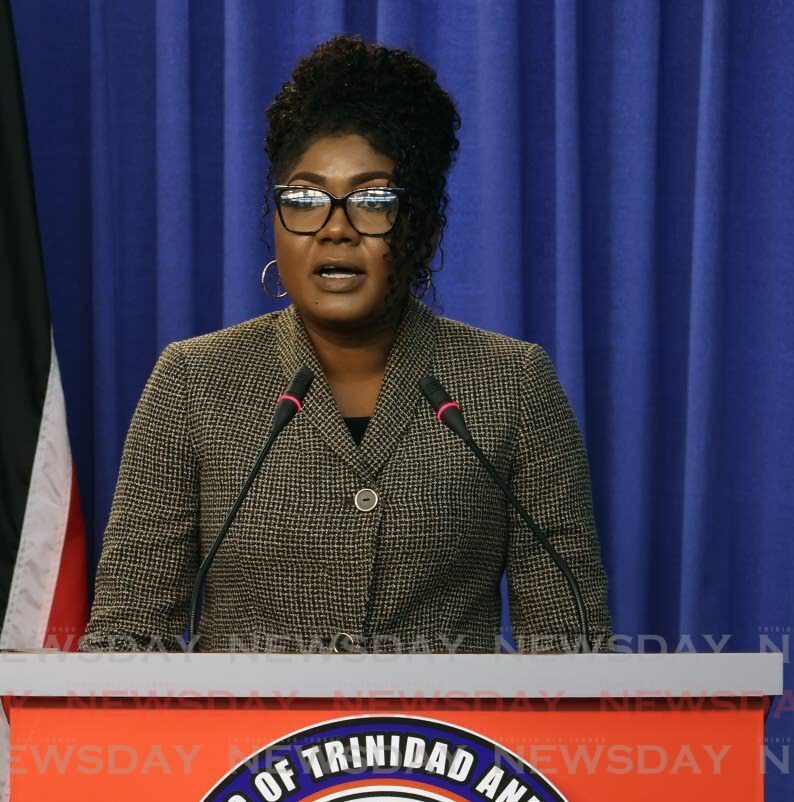
    In the wake of the tragic discovery of 74-year-old Doodhani ‘Mary’ Sooknanan’s decomposing body at her Edinburgh 500 residence, Chaguanas East MP and Minister of People, Family Development and Social Services Vandana Mohit has issued a forceful condemnation against violence targeting senior citizens. Speaking at a UNC press conference on January 11, Minister Mohit emphasized that while specific details of the ongoing investigation remain undisclosed, her government maintains a zero-tolerance policy toward elder abuse and called for collective action to protect vulnerable elderly populations.

    Simultaneously, Minister Mohit presented a comprehensive overview of her ministry’s substantial social welfare initiatives, vehemently denying allegations of reduced grant funding. She confirmed that all January 2026 social services grants were processed and disbursed by January 1, acknowledging only a minor delay attributable to technical issues at the National Insurance Board.

    The minister revealed that approximately $3 billion in pension payments has been distributed to 100,000 senior citizens through these programs. Between May and December 2025, the government allocated millions in social assistance, including $60 million through the food support program (benefiting 275+ new recipients), over $1 million in home repair grants, and $4 million in disaster relief assistance.

    Notable innovations include the inaugural implementation of temporary food card support, with Members of Parliament across all 41 constituencies receiving 60 food cards valued at $550 each for distribution during the Divali season. This initiative expanded during Christmas with 250 food cards per constituency, representing a $5 million investment.

    Minister Mohit announced forthcoming reforms to the standard means test assessment, promising modernization that would enhance fairness and better reflect contemporary socio-economic conditions. Additional initiatives include examining child poverty studies, developing a $5 million women’s health fund to address period poverty, and creating structural support systems for disabled citizens.

    The ministry is also addressing administrative backlogs through collaboration between NIB and the Immigration Division, with formal mechanisms currently in development. In sports infrastructure, Cabinet has approved designs for an inclusive sporting arena to complement the National Therapeutic and Resource Centre for Persons with Disabilities, which began preliminary operations in December 2025 and is scheduled to open fully after staffing and equipment finalization.

  • The perfect storm

    The perfect storm

    After 32 years of operation and a remarkable journey from startup to market leader, Newsday newspaper has announced its permanent closure. The publication, which began in 1993 and achieved the status of Trinidad and Tobago’s highest-selling newspaper within two decades, succumbed to what management describes as ‘a perfect storm’ of industry challenges.

    The closure represents more than just the failure of a single publication—it symbolizes the severe pressures facing traditional print media globally. Unlike larger media conglomerates that can absorb losses across diversified portfolios, Newsday operated as a standalone entity with no corporate safety net to cushion year-on-year financial declines that have become endemic throughout the industry.

    Multiple converging factors contributed to the newspaper’s demise. The COVID-19 pandemic delivered a significant blow as nationwide shutdowns caused advertising revenue to plummet dramatically. However, management emphasizes that the pandemic was merely one element in a complex crisis that developed over more than a decade.

    Financial pressures mounted from multiple directions: raw material costs, particularly newsprint—the company’s largest expense—skyrocketed over the past ten years. Maintenance expenses for specialized printing equipment also increased substantially as manufacturers of crucial components went out of business due to industry contraction.

    The company also faced substantial legal challenges, emerging victorious from a prolonged court battle that reached the Privy Council level but left the organization over $3 million out of pocket. Despite winning costs at every judicial level, the slow pace of assessment procedures meant the company could not collect awarded funds while continuing to bear operational expenses.

    Consumer behavior shifts proved equally damaging. When Newsday increased its cover price from $2 to $3—still less than the cost of a local doubles snack—40% of readers abandoned the publication. This rejection came despite the hundreds of staff working around the clock to deliver news coverage.

    Most devastating has been the advertising collapse: print advertising revenue declined by 75% over the past decade, creating an unsustainable financial model when combined with rising production costs.

    In its farewell message, Newsday expressed pride in its legacy of ‘unwavering independence’ in serving the public and gratitude to loyal readers and dedicated staff who worked tirelessly for over two decades. The publication concluded with a warning about democracy itself being under threat when media organizations face existential crises, encouraging continued support for journalists and media colleagues throughout Trinidad and Tobago.