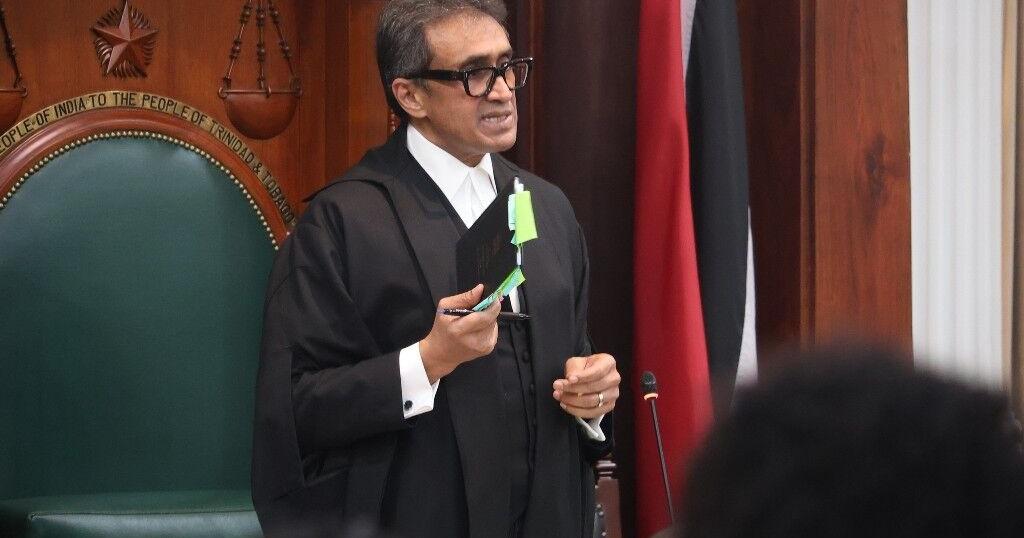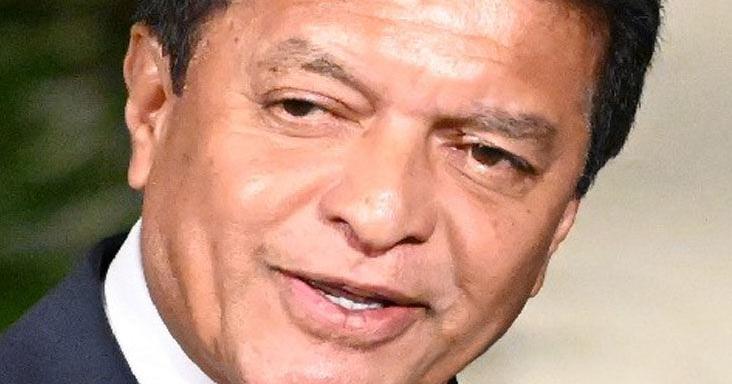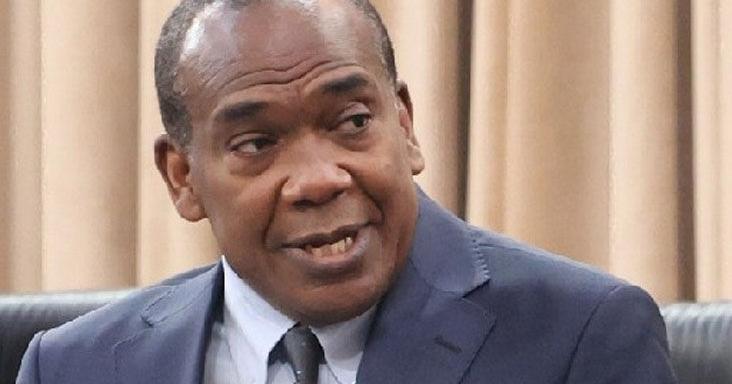
A landmark legal opinion prepared for the Trinidad and Tobago government has concluded that U.S. military strikes against suspected drug trafficking vessels in the Caribbean constitute lawful acts of self-defense under international law. The analysis, authored by renowned British King’s Counsel Harish Salve of Blackstone Chambers, provides significant legal justification for operations targeting narcotics networks allegedly supported by the Venezuelan government.
The legal assessment, commissioned by Attorney General John Jeremie, addresses the complex intersection of national security, non-state actors, and international jurisprudence. Central to Salve’s argument is Article 51 of the UN Charter, which recognizes the inherent right of self-defense. The opinion contends that modern security threats increasingly emanate from non-state actors operating with state support, requiring updated interpretations of international law.
Salve’s analysis establishes that when criminal organizations operate with governmental support, their actions become attributable to the sponsoring state. The opinion references specific allegations against the Maduro government, including providing diplomatic passports to traffickers, offering diplomatic cover for illicit transport operations, and partnering with armed groups like Colombia’s FARC guerrillas.
The legal framework acknowledges that affected states may implement preventive measures—including vessel destruction—when facing narcotics trafficking that threatens national security. However, Salve emphasizes that such actions must meet established international law principles of necessity and proportionality.
Regarding Trinidad and Tobago’s potential liability, the opinion clarifies that the nation would not automatically bear responsibility for U.S. operations conducted in or near its waters. International law principles developed by the International Law Commission indicate that a state is only responsible if it knowingly assists another state in committing wrongful acts.
The document further notes that Trinidad and Tobago itself suffers significantly from regional drug trafficking, having expended over $60 billion on national security during the past decade while continuing to combat smuggling networks and manage migration flows resulting from Venezuela’s humanitarian crisis.
Salve’s opinion characterizes the global narcotics trade as a fundamental threat to national sovereignty, referencing UN treaties that recognize connections between drug trafficking, money laundering, arms trading, and terrorism financing. The analysis concludes that the profits from illicit drug operations frequently fund violence and governmental destabilization, imperiling the security of affected nations.