标签: Trinidad and Tobago

特立尼达和多巴哥

  • Panday congratulates TPP, but notes low voter turnout

    Panday congratulates TPP, but notes low voter turnout

    In a dramatic political realignment, the Tobago People’s Party (TPP) has achieved a sweeping victory in the Tobago House of Assembly (THA) elections, capturing all 15 electoral districts in a historic clean sweep. The election results, declared around 9:45 PM on January 12, mark a significant shift in Tobago’s political landscape, with the previously dominant PNM losing its sole seat from the previous election.

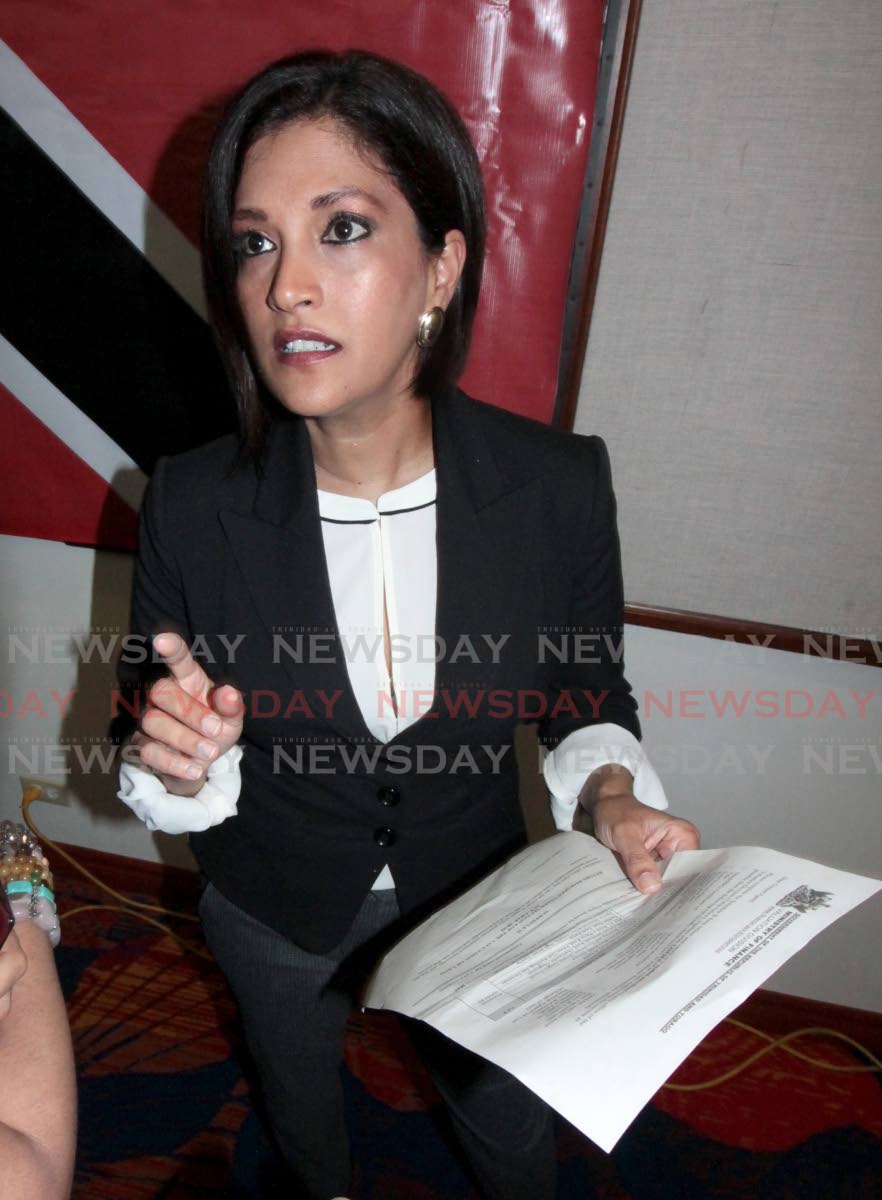
    Mickela Panday, political leader of the Patriotic Front (PF), extended formal congratulations to the TPP while simultaneously raising concerns about democratic participation. Through an official WhatsApp statement, Panday acknowledged the decisive nature of the victory while highlighting the concerning phenomenon of low voter turnout.

    “The electorate of Tobago has delivered a clear verdict through the ballot box,” Panday stated. “While we recognize the TPP’s formidable electoral performance, the apparent disengagement of significant portions of the electorate should give all political movements pause for reflection.”

    Panday challenged the conventional interpretation of low participation as mere voter apathy, suggesting instead that it signals deeper systemic issues. “This pattern of disengagement frequently stems from profound frustration or the pervasive sense that political discourse has become disconnected from the daily challenges facing ordinary citizens,” she analyzed.

    Emphasizing the Patriotic Front’s commitment to democratic revitalization, Panday outlined the party’s mission to restore public trust in governance institutions. “Our fundamental objective involves reconstructing civic confidence, broadening political participation, and ensuring that governance reclaims its relevance through inclusive service rather than divisive spectacle,” she affirmed.

    The PF leader concluded with expectations for Tobago’s new administration: “The people of Tobago merit responsive governance that actively listens, delivers accountable leadership, and reintegrates disenfranchised citizens into democratic processes. This standard of representative democracy remains our advocacy priority throughout both Tobago and Trinidad.”


  • D’Bocas pub closes after 37 years

    D’Bocas pub closes after 37 years

    PORT OF SPAIN – After nearly four decades as a cultural landmark in Trinidad’s capital, the renowned D’Bocas pub has announced its permanent closure. The establishment, celebrated for its vibrant atmosphere, cold beers, lunch service, and legendary karaoke and live music events, made the emotional disclosure through social media channels on January 12.

    The venue, which operated across multiple locations including Town Centre Mall, Voyager Mall, Queen Street, Chacon Street, and Independence Square throughout its history, described Port of Spain as “more than a location – it has been our home.” In their farewell statement, management reflected on the establishment’s role as a community hub where “memories were made, friendships were formed, and generations of customers supported us through every chapter.”

    Citing significant economic pressures that have adversely impacted the bar industry, D’Bocas revealed that current market conditions have rendered their traditional business model unsustainable. The challenging economic landscape has compelled a strategic reorganization of operations.

    Rather than complete cessation, the company characterized the move as an evolutionary step toward a reimagined business approach. The new direction will focus on a food-centered, franchise-style concept that will position scaled-down operations in prime locations throughout Trinidad. This restructuring aims to ensure long-term sustainability while honoring the establishment’s considerable legacy.

    The management emphasized that this transition represents not an ending but rather a transformation – “a thoughtful step toward sustainability, growth, and honouring the legacy we’ve built.” The statement concluded with gratitude toward the Port of Spain community for 37 years of patronage and support, noting that the establishment’s next chapter awaits.

  • The Maduro prosecution and international law: Intersection of sovereignty and accountability

    The Maduro prosecution and international law: Intersection of sovereignty and accountability

    The unprecedented apprehension of Venezuelan President Nicolás Maduro through a US military operation authorized by President Donald Trump has ignited a profound legal and diplomatic confrontation. Currently facing narcotics and weapons charges in a Manhattan federal court, Maduro’s case presents a fundamental challenge to established international norms regarding sovereign immunity and cross-border jurisdiction.

    Legal Framework Analysis
    The Trump administration’s operation, which included approximately 35 military strikes against suspected drug-trafficking vessels resulting in over 115 casualties prior to Maduro’s capture, tests the limits of permissible military force against sovereign states. The US justification characterizes the campaign against Maduro’s alleged criminal network as a non-international armed conflict, though this classification remains contentious under international humanitarian law where drug trafficking operations don’t automatically qualify as armed conflicts.

    The prosecution strategy, articulated by US Attorney Clayton, deliberately separates the military capture from subsequent legal proceedings. The doctrine of ‘male captus, bene detentus’ (wrongly captured, properly detained) allows the judiciary to proceed regardless of apprehension methods. This approach finds precedent in the 1989 prosecution of Panamanian leader Manuel Noriega, establishing three legal pillars: pre-capture indictment, non-recognition of leadership status, and classification of alleged crimes as private rather than sovereign acts.

    Sovereign Immunity Erosion
    The case continues a trend of diminishing absolute immunity for heads of state, following prosecutions of figures like Augusto Pinochet, Slobodan Milošević, and Charles Taylor. However, Maduro’s prosecution differs significantly as it occurs in a domestic court following unilateral military action rather than through an international tribunal established by multilateral agreement.

    Geopolitical Implications
    The operation reflects historical US intervention patterns in Latin America while raising constitutional questions about the separation of powers regarding congressional war declaration authority. Critics argue that allowing unilateral non-recognition to justify military intervention undermines international law principles, while proponents maintain that national security concerns justify executive action against state-sponsored criminal threats.

    This landmark case represents a critical juncture in balancing accountability for alleged crimes against foundational principles of sovereign equality and international legal norms, with implications that will likely influence global approaches to leadership accountability for decades.

  • Widening parental protections

    Widening parental protections

    The Trinidad and Tobago government has unveiled sweeping proposals to modernize the nation’s parental protection laws, marking the first significant update to the Maternity Protection Act in over two decades. Labour Minister Leroy Baptiste announced on January 11 comprehensive reforms that would extend benefits to fathers, adoptive parents, and guardians in cases of maternal death.

    The groundbreaking legislative overhaul seeks to eliminate the current 24-month limitation period that effectively penalizes women for multiple pregnancies within a year. The proposed amendments also include provisions for paid breastfeeding breaks and stronger workplace protections against discriminatory practices. Employers would be prohibited from taking adverse actions such as termination or pay reduction against employees utilizing parental leave benefits.

    These changes come against a concerning demographic backdrop. Recent Ministry of Health statistics reveal a fertility rate of 1.9 births per woman, below the 2.1 replacement level needed to maintain population stability. Tobago officials have additionally reported a “drastic reduction” in births over the past ten years.

    International research underscores the urgency of these reforms. A Unicef report from early 2025 found that maternity leave policies across Latin America and the Caribbean remain generally deficient, while an International Labour Organisation brief highlighted persistent gender inequalities in Caribbean workplaces.

    The proposed measures represent not merely demographic intervention but a fundamental shift toward gender equity and workplace fairness. By facilitating legal proceedings for discrimination cases and banning pregnancy testing for job applicants, the government aims to create a more balanced environment for working parents.

    While demographic evolution and economic factors contribute to declining birth rates, the modernization of Trinidad and Tobago’s archaic parental protection framework could play a significant role in addressing these challenges. The reforms now await parliamentary consideration and implementation.

  • Rambharat: Let trained people lead hikes

    Rambharat: Let trained people lead hikes

    In the wake of a devastating hiking incident that claimed the life of 41-year-old Jessica Jordan, urgent calls for professional guide certification and enhanced safety protocols have emerged from rescue authorities. Captain Vallence Rambharath, head of the Hunters Search and Rescue Team, has issued a comprehensive safety manifesto following Jordan’s tragic drowning at Madamas River on January 10th.

    The tragedy unfolded when Jordan, part of an eight-person hiking group, slipped while crossing a deteriorated log in rapidly swelling waters. Her legs became trapped between the log and gorge wall, creating an extraction scenario that even professional rescuers found extremely challenging. Rambharath emphasized that the location where Jordan perished was fundamentally inappropriate for hiking activities given the dangerous water conditions.

    ‘Where she fell is exactly where she was found,’ Rambharath stated, highlighting the preventable nature of the incident. ‘If Hunters Search and Rescue cannot navigate the water height in these gorges, no hiker should be there.’

    The rescue captain identified multiple critical failures: the use of a bark-less, moss-covered log for crossing that provided zero grip, poor river-crossing techniques, and most importantly, the decision to proceed with the hike despite nationwide rainfall. ‘Why couldn’t you just cancel the hike?’ he questioned, emphasizing that no commercial considerations should override safety priorities.

    Rambharath advocated for formalized oversight including mandatory guide certification, safety personnel integration within hiking groups, and weather-conscious planning. He specifically recommended against Northern Range hiking during rainy conditions and warned against crossing on smooth, bark-less logs that become dangerously slippery.

    Separately, Palance868 Adventures Team clarified through a Facebook statement that they had no involvement in the fatal hike and maintain a strict safety-first approach, including cancellation policies during adverse weather. The organization expressed condolences while emphasizing their rigorous risk mitigation protocols and incident-free record.

    The hiking community now faces pressing questions about professional standards, regulatory frameworks, and whether the industry requires formal oversight to prevent similar tragedies.

  • Trinidad and Tobago Newsday – Monday January 12th 2026

    Trinidad and Tobago Newsday – Monday January 12th 2026

    In the sprawling, multi-billion dollar wellness industry, dietary supplements represent a frontier of both immense promise and significant peril. Unlike pharmaceutical drugs, which undergo rigorous testing and approval processes by agencies like the FDA, the supplement market operates under a fundamentally different regulatory framework. Governed by the 1994 Dietary Supplement Health and Education Act (DSHEA), these products are largely presumed safe until proven otherwise, placing the burden of proof on regulators after they have entered the market.

    This post-market oversight model creates a landscape where thousands of products, from vitamins and minerals to herbal extracts and proprietary blends, are readily available to consumers with limited pre-approval scrutiny. Manufacturers are responsible for ensuring their products are safe and that label claims are truthful and not misleading. However, the sheer volume of products and the reactive nature of regulation mean that potentially dangerous or misbranded supplements can remain on shelves for extended periods before regulatory action is taken.

    The implications for consumer health are profound. While many supplements offer genuine benefits, the market is also rife with issues including adulteration with pharmaceutical ingredients, contamination with heavy metals, and exaggerated or outright false health claims. This environment demands a heightened level of consumer vigilance, critical evaluation of marketing claims, and consultation with healthcare professionals before integrating any new supplement into a wellness regimen.

  • First interview was with Newsday

    First interview was with Newsday

    In a heartfelt letter to the editor, Dr. Jamelia Harris, an assistant professor, has joined the chorus of voices expressing profound sadness following the announcement of Newsday’s imminent closure. The academic shared personal anecdotes highlighting the newspaper’s significant role in both her personal and professional development.

    Dr. Harris revealed that her connection to the publication dates back to her childhood, where she developed the daily habit of reading Newsday and completing its crossword puzzles. This relationship deepened considerably in 2007 when she received notification of being awarded the prestigious President’s Medal from a Newsday reporter—a communication that surprisingly preceded the official announcement from the Ministry of Education. That initial contact culminated in her first interview with the newspaper, marking a pivotal moment in her public recognition.

    More recently, Dr. Harris expressed gratitude for the newspaper’s consistent platforming of her opinion pieces throughout the past year. Her letter serves as both a tribute to the publication’s legacy and a farewell message to the entire Newsday team, wishing them success in their forthcoming professional transitions. The correspondence stands as testament to the enduring impact community newspapers have on their readership and contributors alike.

  • Proman pauses melamine production in Pt Lisas

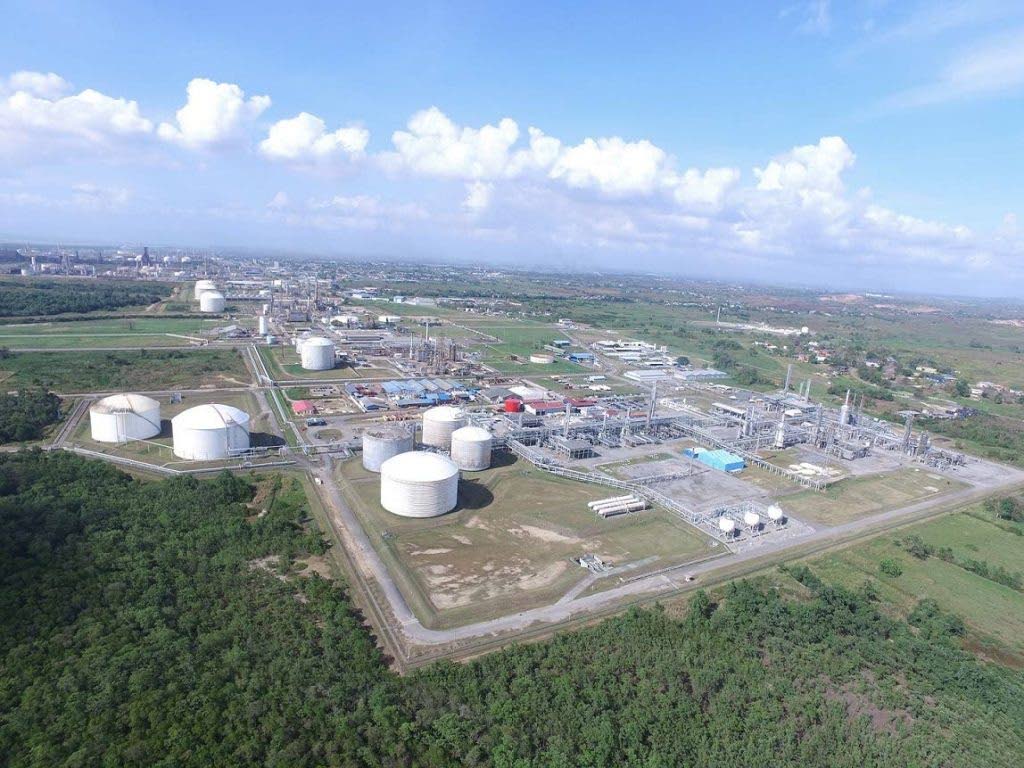
    Proman pauses melamine production in Pt Lisas

    In a significant development for Trinidad’s industrial sector, Proman Trinidad has announced a two-year suspension of operations at its melamine production facility in Point Lisas. The decision comes as a direct response to persistently unfavorable market conditions exacerbated by recent international trade measures.

    The company revealed that this strategic pause follows an extensive evaluation of global market dynamics, with the primary objective of safeguarding long-term operational sustainability. The move was largely precipitated by the United States International Trade Commission’s imposition of substantial anti-dumping and countervailing duties reaching 154.28% on melamine imports from Trinidad and Tobago and several other nations in January 2025.

    Executive Director Anand Ragbir emphasized the gravity of this decision, noting Proman’s 35-year legacy as a cornerstone of Trinidad’s energy sector. ‘We do not take these decisions lightly,’ Ragbir stated. ‘We remain committed to investing in our operations, our personnel, and local communities despite this challenging period.’

    The production halt specifically affects the melamine unit, which produces chemical compounds essential for manufacturing heat-resistant plastics and dinnerware products. Company officials confirmed that other Proman facilities in Trinidad will continue normal operations without interruption.

    Regarding workforce implications, Proman has developed a comprehensive transition plan for the 89 employees potentially affected. The majority will be reassigned to other plants, projects, and roles within the company’s operations, with access to appropriate training and resources. For those unable to be redeployed, the company promises full outplacement support, Employee Assistance Programme benefits, and statutory severance packages.

    The corporation maintains a vigilant stance toward market evolution, indicating willingness to reconsider production resumption should economic conditions improve. Current priorities include fortifying core operations and enhancing long-term competitive positioning in the global market.

  • Trinidad and Tobago gets first hyperbaric oxygen therapy chamber

    Trinidad and Tobago gets first hyperbaric oxygen therapy chamber

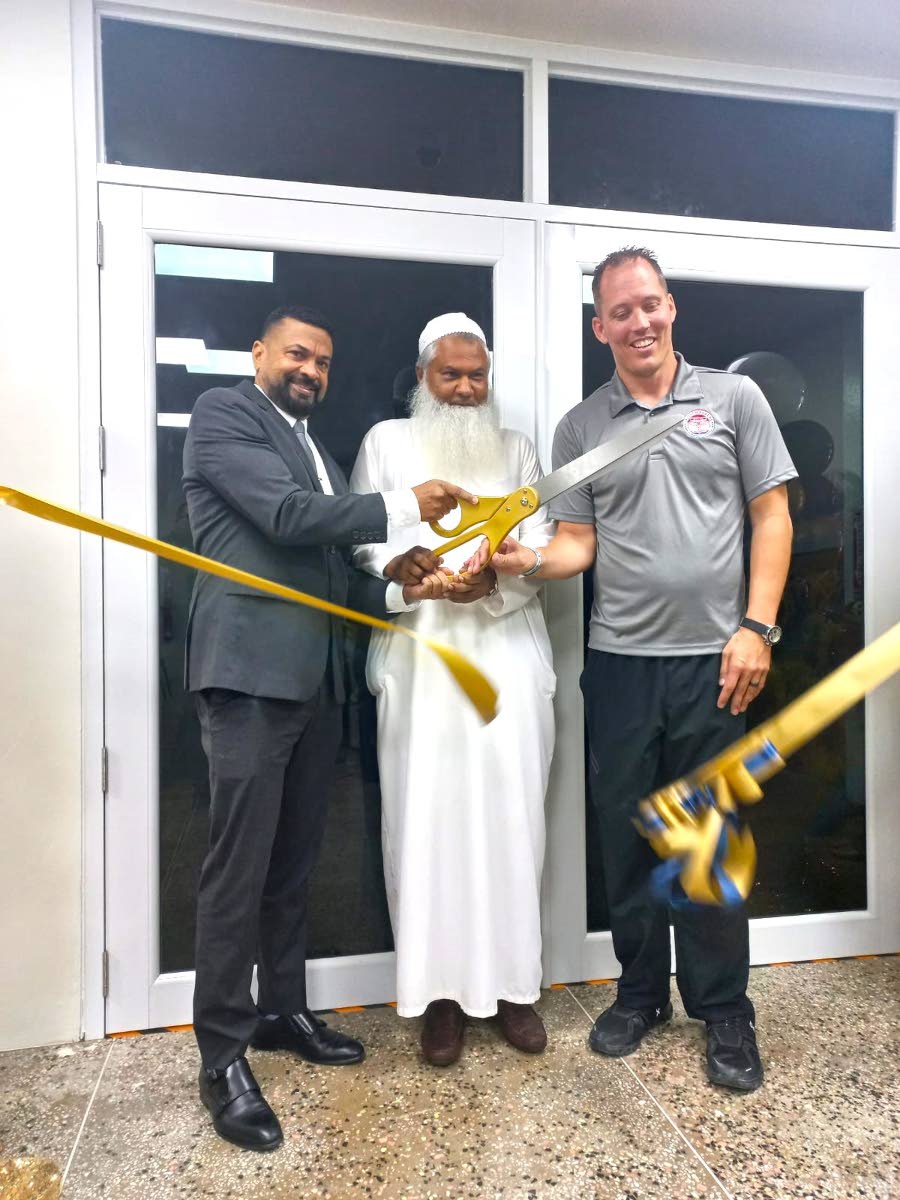
    Trinidad and Tobago has entered a new era of advanced medical treatment with the inauguration of the International Hyperbaric Medical Facility Ltd on January 8. This groundbreaking center, situated in Marabella, represents the nation’s first comprehensive facility specializing in hard-shell hyperbaric oxygen therapy (HBOT) combined with integrated diabetic wound care and advanced neurological services.

    The establishment addresses critical healthcare deficiencies by providing cutting-edge treatment options previously unavailable domestically. The facility specifically targets the reduction of diabetes-related amputations through advanced wound management protocols and offers solutions for neurological conditions and severe burns that traditionally required overseas referrals.

    Ray Hinds, General Manager of the facility, emphasized their mission: “Our objective is to make sophisticated medical care more accessible, affordable, and available within Trinidad and Tobago. For years, families have sought these essential services abroad. Today, we present viable local alternatives that deliver results.”

    The center operates using Class A hard-shell hyperbaric chambers that meet international safety standards, where patients breathe 100% medical-grade oxygen under pressurized conditions. This process enhances oxygen dissolution in the bloodstream, accelerating natural healing mechanisms, reducing inflammation, and promoting tissue regeneration.

    Medical applications of HBOT include treatment for chronic non-healing wounds, diabetic foot ulcers, radiation injuries, soft tissue damage, and various neurological disorders. The facility uniquely incorporates SnapshotNIR technology for optimized limb salvage and NeuroCatch—an AI-powered brain function assessment tool that provides clinical insights within six minutes.

    All prospective patients must undergo mandatory consultations with certified hyperbaric specialists to determine treatment appropriateness, session frequency, and duration based on individual medical requirements. During its initial operational phase, the facility is offering HBOT at promotional rates, with discounted packages available for multi-session treatment plans.

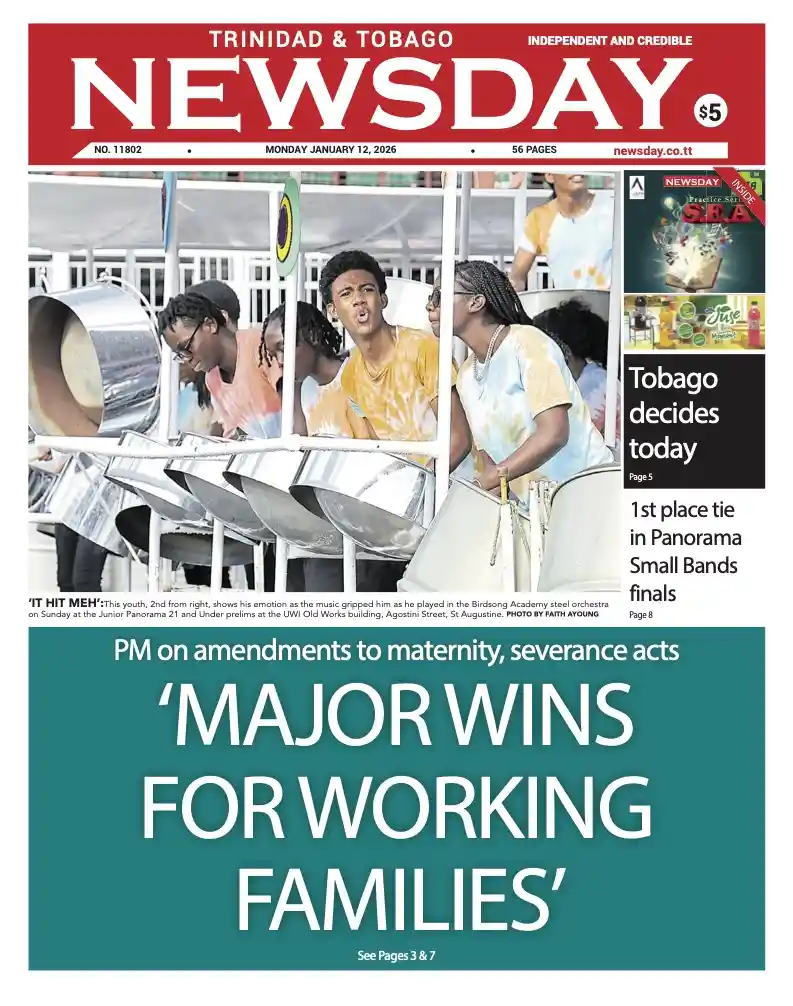
  • Amendments to Maternity and Retrenchment acts — Kamla: Major wins for working families

    Amendments to Maternity and Retrenchment acts — Kamla: Major wins for working families

    The Trinidad and Tobago government has announced a comprehensive overhaul of labor legislation, introducing what Prime Minister Kamla Persad-Bissessar characterizes as “major wins for working families.” The reforms, approved by Cabinet and announced at a UNC press conference on Sunday, represent the most significant expansion of parental protections in recent history.

    Labor Minister Leroy Baptiste revealed that the amendments to the Maternity Protection Act and Retrenchment and Severance Benefits Act will introduce groundbreaking provisions including paid paternity leave, parental leave for adoptive parents and guardians, and protections for situations where a mother dies following childbirth. The legislative package, now before the Attorney General for drafting, eliminates the restrictive rule that previously limited maternity benefits to once every 24 months.

    The sweeping reforms will establish paid breastfeeding breaks, strengthen anti-discrimination protections in workplaces, and prohibit pregnancy testing for job applicants and employees. The legislation guarantees job security by ensuring employees can return to the same position after maternity, paternity, or parental leave. Notably, the burden of proof in discrimination cases will shift to employers, and protections will extend to contract workers previously excluded from such benefits. The reforms also include provisions to fast-track related cases through the Industrial Court.

    Prime Minister Persad-Bissessar complemented the policy announcements with personal reflections on motherhood, urging young women to consider starting families without fearing career consequences. “You do not have to choose between a career and a family—you can have both,” she asserted in a Facebook post that accompanied the policy reveal. Drawing from her own experiences, the Prime Minister described motherhood as “one of the most beautiful feelings in life” and emphasized that familial love provides meaning that professional achievements alone cannot offer in later years.

    The Prime Minister’s message particularly targeted young professional women, acknowledging that while focusing exclusively on careers might seem fulfilling initially, the absence of family could lead to loneliness in later life. “All humans need love and companionship to achieve their fullest potential; women, in particular, have an inherent drive to nurture and care,” she wrote, framing the policy changes as enabling both professional and personal fulfillment.