Surujdeo Mangaroo has embarked on his presidency of the National Council of Indian Culture (NCIC) with a transformative vision that merges cultural preservation with global expansion. Elected in August 2025, Mangaroo brings over two decades of dedicated service to the organization, where he previously served as first vice president and chairman of the renowned Divali Nagar festival since 1999.
Mangaroo’s cultural journey began during his formative years at Palo Seco Secondary School, where inspiration struck during bhajan sessions led by Professor Anantanand Rambachan and teacher Raghuraj Bahadursingh. This early exposure ignited a lifelong passion that would shape his professional and personal endeavors. Beyond his cultural leadership, Mangaroo maintains dual responsibilities as CEO of Trinity Insurance Brokers Limited and as a family patriarch, having married Nadra Baksh in 1978 with whom he raised four children.
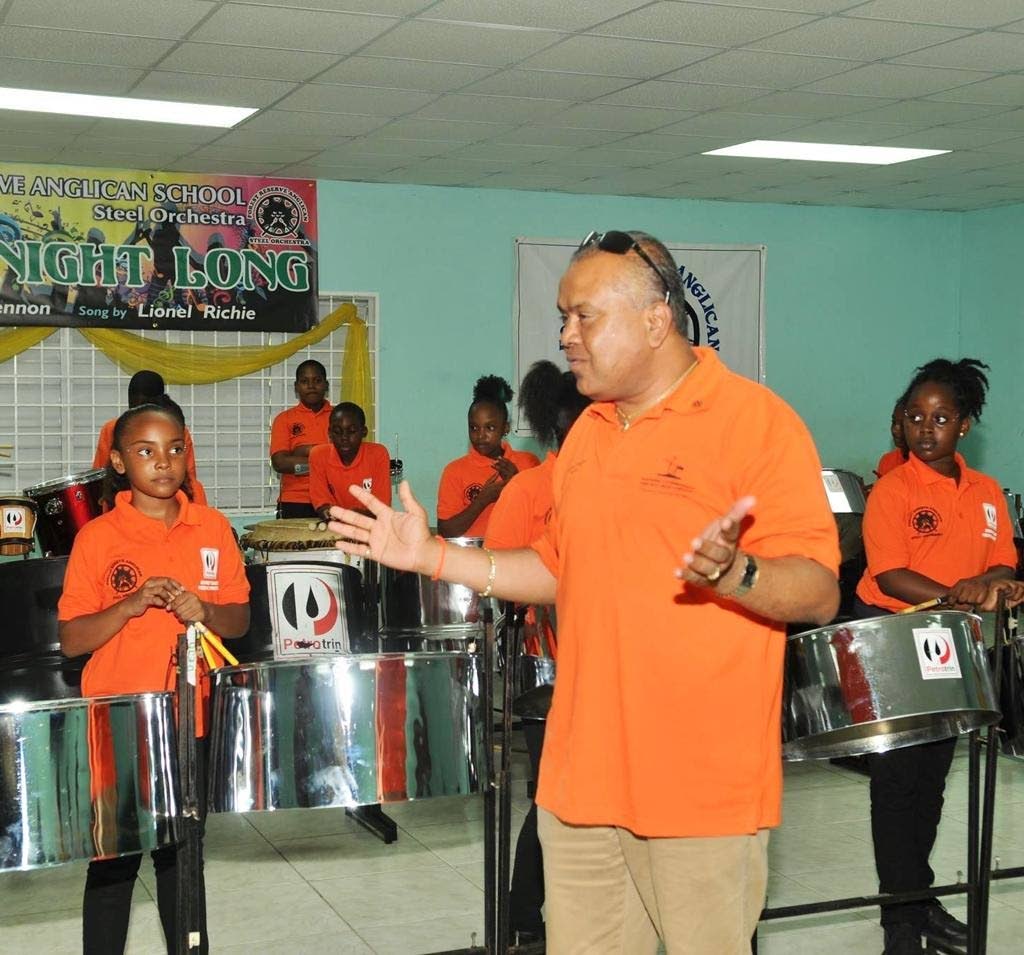
The cornerstone of Mangaroo’s presidential agenda centers on youth empowerment through innovative programs. He has been instrumental in developing platforms such as the NCIC Youth Champ Competition, the NCIC Dance Competition, and Sangeet Pradarshan—a television program designed to elevate performance standards. His philosophy emphasizes preparing artists for international recognition, noting ‘Our goal is to cultivate a new wave of artists in TT and across the diaspora who can excel domestically and internationally.’
Under Mangaroo’s previous leadership, Divali Nagar evolved from a local celebration into an internationally recognized cultural phenomenon reaching throughout the Caribbean, North America, and South America. This expansion continues as a priority, with strengthened international partnerships to facilitate cultural exchanges for young performers. ‘We have an abundance of talent in our country,’ Mangaroo observes, ‘and by giving them opportunities to travel abroad, they can take their culture and talents to excel.’
Mangaroo’s approach to cultural promotion emphasizes unity through diversity, asserting that celebrating Indian heritage contributes to Trinidad and Tobago’s national identity rather than promoting isolation. ‘Cherishing our culture is not merely about preserving the past,’ he explains, ‘it is about honoring the resilience and contributions of those who came before us.’
The impact of Mangaroo’s mentorship emerges through testimonials from cultural ambassadors like singer Nirmala Sesnarayan, who credits him with providing transformative international opportunities since 2004. Similarly, singer Ravi Jagroop acknowledges Mangaroo’s pivotal role in his artistic development, while Bobby Seenath of the Mahatma Gandhi Charitable Organization praises his unwavering support for youth initiatives. Through his additional role as executive director of Neeleeji Events, Mangaroo continues creating platforms for young talent despite challenges of stereotypes and limited resources, believing that ‘the rewards of positively impacting lives and preserving our cultural heritage make it all worthwhile.’