标签: Suriname

苏里南

  • Geen uitweg meer: vermogen publieke personen voortaan onder toezicht

    Geen uitweg meer: vermogen publieke personen voortaan onder toezicht

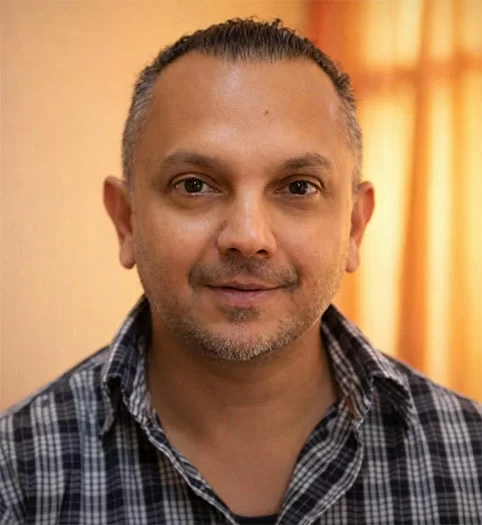
    Starting November 17, public officials, including politicians, ministers, and members of parliament, will no longer be exempt from declaring their assets and income. This mandate comes as Justice and Police Minister Harish Monorath issued a directive to implement the 2023 State Decree, which required only a final date for the availability of the declaration form on the Anti-Corruption Commission’s website. The process of asset declaration can now commence immediately, with a three-month window for compliance. The government has spent nearly two years since 2023 preparing the form for publication. The finalized form marks the starting point for recording the income and assets of public officials. The 2023 State Decree already outlined the rules for completing the form, which underwent revisions after the initial draft was deemed too intrusive for politicians. With acceptable adjustments, the form now allows for the declaration of assets and income. The decree also specifies how updates can be made after the initial registration. Notably, the Anti-Corruption Commission has been renamed the Corruption Prevention Commission (CPC), reflecting its updated mandate and powers. The CPC will not be responsible for protecting whistleblowers who report on public officials’ assets to the Attorney General. A new verification process for declared assets has been introduced, along with an independent investigation for significant increases in wealth. Additionally, a publication requirement has been established. The 2023 State Decree stipulates that asset declarations must be made before a notary, who will keep the completed form sealed. The form can only be transferred to the Attorney General, and after the official’s term ends, the declaration remains with the notary for one year. This measure is part of the 2017 Anti-Corruption Law, which is based on the Inter-American Convention against Corruption by the Organization of American States (OAS).

  • Aandacht voor de gezondheid van de man tijdens Movember**

    Aandacht voor de gezondheid van de man tijdens Movember**

    Men’s health is often overshadowed by societal expectations of strength and resilience, but the reality is stark: men are equally susceptible to illness and often delay seeking medical help. Globally and in Suriname, male health remains an under-discussed issue. To address this, November is dedicated to raising awareness about men’s health, particularly prostate cancer, testicular cancer, and mental well-being, through the international campaign known as Movember or No Shave November.

    Movember, a global movement originating in Melbourne, Australia, in 2003, encourages men to grow moustaches throughout November to highlight health issues disproportionately affecting men. The campaign focuses on increasing awareness of prostate and testicular cancer, mental health, suicide prevention, and fundraising for research and improved healthcare for men.

    Prostate cancer, the most common cancer among men globally and in Suriname, is a central theme of Movember. The prostate, a small organ below the bladder, plays a vital role in reproduction by producing seminal fluid. In Suriname, approximately 80 new cases are diagnosed annually, primarily in men over 65, though younger men are also at risk, especially those with a family history of the disease.

    Early detection is critical, as prostate cancer often presents no symptoms initially. Screening methods include a rectal exam and a PSA (Prostate-Specific Antigen) blood test. If abnormalities are detected, further investigations such as MRI scans and biopsies are conducted. Treatment options vary based on the cancer’s stage, ranging from radiation and hormone therapy to chemotherapy.

    While advanced surgical procedures like robot-assisted prostate removal are unavailable in Suriname, the country offers comprehensive care, including specialized urologists, modern diagnostic tools, and multidisciplinary treatment approaches. Men over 50 are advised to discuss screening with their doctors, and those with a family history should consider testing from age 45.

    Movember serves as a vital reminder to prioritize men’s health, break taboos, and encourage timely medical intervention. By fostering awareness and proactive healthcare, we can improve the health and quality of life for men in Suriname and beyond.

  • Medisch symposium focust op aanpak chronische nierschade

    Medisch symposium focust op aanpak chronische nierschade

    The 2025 Nephrology Medical Conference, held in Paramaribo, Suriname, convened local and international experts to discuss the latest advancements in the prevention, diagnosis, and treatment of chronic kidney disease (CKD). Sponsored by Kersten Distribution and Nipro, the two-day symposium began on Friday, focusing on the alarming rise of CKD in Suriname, primarily driven by diabetes and hypertension. The event highlighted the profound impact of kidney failure on patients, their families, and the healthcare system, emphasizing the high costs of dialysis and the loss of workforce productivity. Attendees explored early detection methods, innovative treatment approaches to reduce the risk of kidney failure and cardiovascular diseases, and revised national guidelines for healthcare professionals. Training sessions on the safe and responsible use of dialysis equipment were also a key focus. Organizers stressed the importance of knowledge sharing and preventive measures to enhance care for kidney patients and improve life expectancy in Suriname.

  • Minister Soeropawiro: Alleen onrechtmatige gronduitgiften worden nietig verklaard

    Minister Soeropawiro: Alleen onrechtmatige gronduitgiften worden nietig verklaard

    Stanley Soeropawiro, Suriname’s Minister of Land Policy and Forest Management (GBB), has addressed the recent uproar surrounding the nullification of land allocations over the past five years. The minister clarified that only cases where legal procedures were not followed are being annulled. He emphasized that neither the president nor he personally decides which allocations are invalid, stating, “It is the law that dictates this.” Soeropawiro referenced the 2023 Audit Chamber report, which identified unlawful land allocations during the period in question. He assured that legitimate landowners need not worry, as the process aims to protect bona fide stakeholders. However, nullifications may occur if legal deadlines were not adhered to. The minister noted that irregularities date back to 2018, with no improvement observed since his appointment on July 16. He has since collaborated with the Audit Chamber to implement recommendations and prevent future irregularities. Soeropawiro also highlighted cases where land status remains unclear, prohibiting allocations until resolved. Additionally, he stressed the legal requirements for land applications, including Surinamese nationality, majority age, and compliance with inspection and district commissioner advice. The minister reiterated that strict adherence to legal procedures is paramount to ensure transparency and fairness in land allocation processes.

  • Man vuurt schoten af op echtgenote

    Man vuurt schoten af op echtgenote

    A domestic dispute turned violent in Bomapolder, Series 11, when a 57-year-old man fired multiple shots from a hunting rifle towards his wife during a heated argument on the morning of November 15 at approximately 9:30 AM. The altercation, reportedly stemming from ongoing marital issues, took a dangerous turn as the bullets missed their intended target and instead struck two nearby homes and a parked vehicle, leaving visible bullet marks. Authorities responded swiftly to the scene, apprehending the suspect and confiscating the firearm for further investigation. Preliminary reports indicate that the incident was motivated by a family-related dispute. The police are continuing their investigation to uncover further details surrounding the case.

  • Een tijdloos Tibet: het verhaal van het Potala Palace

    Een tijdloos Tibet: het verhaal van het Potala Palace

    In a groundbreaking fusion of technology and culture, participants of the China International Press Communication Center 2025 Program were transported to the iconic Potala Palace in Tibet—without leaving Beijing. Through the immersive power of virtual reality (VR), they embarked on a journey that transcended time and space, offering a vivid glimpse into the rich heritage of Tibetan Buddhism. The experience, facilitated by VR headsets, allowed participants to explore the palace’s intricate architecture, stunning murals, and serene landscapes, all while standing in a 15-by-5-meter room in the heart of Beijing. The virtual tour began with a breathtaking view of snow-capped mountains, leading to the discovery of the palace perched high above the Lhasa Valley. Guided by a priestess in a vibrant red robe, participants navigated through the White and Red Palaces, marveled at ancient murals, and even floated above a desert landscape. The experience culminated in a spiritual moment, where participants held glowing orbs symbolizing their wishes and prayers. This innovative use of VR not only preserves cultural heritage but also transforms it into an engaging, interactive experience, far removed from traditional history lessons. The Potala Palace, a UNESCO World Heritage Site since 1994, remains a testament to Tibetan, Chinese, and Indian architectural brilliance. This virtual journey highlights the potential of technology to make history accessible and captivating for future generations.

  • Cuba kampt met golf van door muggen overgebrachte ziekten

    Cuba kampt met golf van door muggen overgebrachte ziekten

    Cuba is grappling with a significant surge in mosquito-borne diseases, with nearly a third of the population affected, according to the country’s chief epidemiologist. The situation has been exacerbated by an ongoing economic crisis, which has hindered the government’s ability to implement effective sanitation and disease control measures. Health workers have been deploying fogging machines in Havana, one of the hardest-hit areas, to combat the spread of viruses such as dengue and chikungunya. Francisco Duran, the national director of epidemiology at Cuba’s Ministry of Public Health, described the situation as ‘acute’ and emphasized ongoing efforts to develop treatments and vaccines. The chikungunya virus, once rare in Cuba, has been spreading rapidly, causing severe symptoms such as headaches, rashes, and joint pain that can lead to long-term disability. Cuban health authorities are conducting clinical trials to test the effectiveness of Jusviza, an injectable anti-inflammatory drug, and exploring rectal ozone therapy as potential treatments. The European Centre for Disease Prevention and Control reported nearly 340,000 chikungunya cases globally in 2025, with 145 deaths across at least 16 countries. The World Health Organization has issued an urgent call for action to prevent a new epidemic. Cuba’s healthcare system, once among the best in Latin America, has been severely impacted by decades of U.S. economic sanctions, which have led to shortages of essential supplies, including food, fuel, and medicine. The Cuban Foreign Minister, Bruno Rodriguez, has condemned the sanctions as a ‘policy of collective punishment’ that violates human rights.

  • Regionale dialoog moet cacao-industrie nieuw leven inblazen

    Regionale dialoog moet cacao-industrie nieuw leven inblazen

    The United Nations Food and Agriculture Organization (FAO), in collaboration with the Cocoa Research Centre (CRC) at the University of the West Indies (UWI), recently hosted a two-day regional dialogue on the future of the cocoa industry. Held from November 13 to 14, 2025, at the UWI School of Education in St. Augustine, Trinidad and Tobago, the event brought together government representatives, academic institutions, producer organizations, private sector stakeholders, and regional development partners. The primary focus was to create a roadmap for revitalizing the Caribbean cocoa industry, particularly emphasizing fine-flavor cocoa. Anne Desrochers, FAO specialist in plant production and protection, opened the workshop on behalf of FAO subregional coordinator Renata Clarke. She highlighted the Caribbean’s comparative advantage in producing some of the world’s most distinctive cocoa varieties but stressed the need for coordinated action to address productivity and sustainability challenges. ‘The Caribbean has a proud cocoa heritage, but we must strengthen collaboration to modernize the sector,’ Desrochers stated. She emphasized that science, innovation, and regional cooperation could transform the industry into a model for sustainable agricultural development. The FAO has supported the cocoa sector in the Eastern Caribbean for several years, providing training and capacity-building for over 300 stakeholders in Dominica, Grenada, Saint Lucia, and Saint Vincent and the Grenadines. Trinidad and Tobago is one of five global demonstration countries under the FAO’s One Country One Priority Product (OCOP) initiative, with cocoa as the priority commodity. The program aims to enhance the competitiveness and sustainability of key agricultural value chains. Karen Lee Lum of the CRC provided an update on the OCOP initiative, which began in Trinidad and Tobago in 2022 and is now entering its second phase with support from China’s South-South Cooperation. ‘Trinidad and Tobago’s fine-flavor cocoa is unique—it is one of only seven countries worldwide exporting 100% of its production as fine-flavor cocoa,’ Lee Lum noted. The new phase, valued at $5 million, will expand to 15 countries, focusing on research, farmer engagement, market access, and green technologies. The workshop facilitated discussions on country-specific progress, innovation exchange, and consensus-building for a regional strategy to further develop the cocoa industry. The roadmap aims to promote sustainable production, added value, and improved market opportunities for Caribbean cocoa.

  • Overval met geweldpleging bij auto-onderdelenzaak; twee verdachten aangehouden

    Overval met geweldpleging bij auto-onderdelenzaak; twee verdachten aangehouden

    In a coordinated effort, the Digital Investigation, Forensic Investigation, Intervention Units, and Intelligence Services successfully apprehended two suspects, K.O. (23) and D.M., alias “Frustu,” on Wednesday, November 12, 2025. The arrests occurred shortly after a violent robbery in the vicinity of Molenpad. The suspects are believed to have targeted an auto parts store early that morning. Dressed entirely in black, wearing gloves and masks, they entered the premises through a passage from an adjacent building. On the second floor, they confronted seven residents in their bedrooms, threatening them with violence to hand over money and jewelry. The victims were then bound and taken to the living room. One victim sustained injuries, including the loss of two front teeth and a swollen lip, requiring medical attention. The perpetrators fled with an undisclosed amount of SRD and foreign currency, gold jewelry, and an air pistol with hearing protection. During the arrest, a gray Toyota Vitz was also seized. Authorities suspect the duo may be linked to similar robberies in Paramaribo and Wanica. Following consultation with the Public Prosecutor, both suspects have been detained, and the investigation has been transferred to the Capital Crimes Division.

  • Column: Vochtige ogen

    Column: Vochtige ogen

    On the eve of the World Cup qualifier against El Salvador, Suriname’s national team, led by coach Stanley Menzo, held a press conference. While such events often yield little new information, the focus was on the team’s readiness and strategy. Captain Shaquille Pinas, a veteran with 34 international caps, addressed the media, emphasizing his approach to the match: ‘I don’t feel extra pressure. I step onto the field to win, just like any other game.’ He highlighted the players’ awareness of their fans’ emotions, stating, ‘We play for our families, friends, and the people of our country. It’s a great honor to contribute to that.’

    The following evening, the Essed Stadium was packed well before kickoff, showcasing the nation’s fervent support. Defender Myenty Abena led a passionate pre-game prayer, setting the tone for the match. Despite a shaky first half with inaccurate passes and a reliance on long balls, Suriname managed to take a 1-0 lead into halftime, thanks to a penalty converted by Tjaronn Chery.

    The second half saw a transformed Surinamese team. With fluid combinations and dynamic wingbacks Djavan Anderson and Ridgeciano Haps, they dismantled El Salvador’s defense. Richonell Margaret scored twice, and substitute Dhoraso Klas added a fourth goal, sealing a 4-0 victory. The crowd erupted in celebration, singing the national anthem twice.

    Post-match, the team and staff remained on the field, basking in the adoration of their supporters. Goalkeeper Etienne Vaessen showcased his quirky dance moves, while other players expressed their joy in various ways. Coach Menzo, overwhelmed with emotion, retreated to the technical room, reflecting on his journey and the significance of the win. During the subsequent press conference, he expressed immense pride in his team and the country of his birth, though he admitted that the celebrations would be modest. ‘The years are catching up with me,’ he joked, ‘but I know the boys will celebrate tonight.’

    Looking ahead, Suriname faces Guatemala in their final qualifying match. Menzo stressed the importance of focus and preparation, even as the team savors their recent triumph. The Surinamese sports press gave Menzo a standing ovation, marking a memorable night for the nation’s footballing aspirations.