标签: Suriname

苏里南

  • Conflict tussen VS en Iran bereikt beslissend moment

    Conflict tussen VS en Iran bereikt beslissend moment

    Tensions between the United States and Iran have entered a defining, high-stakes phase that threatens broader regional instability and ripple effects across the global economy, top U.S. defense officials have warned.

    On Tuesday, U.S. Defense Secretary Pete Hegseth emphasized that the coming days will shape the entire trajectory of the escalating standoff. The latest escalation came on March 31, when an Iranian attack targeted the fully loaded Kuwaiti-flagged crude oil tanker Al-Salmi anchored off the coast of Dubai, sparking a fire on board the vessel. The strike, confirmed by photos released by Kuwait Petroleum Corporation, followed weeks of intensifying military and rhetorical exchanges between the two sides.

    In direct response to U.S. military pressure, Iran’s Islamic Revolutionary Guard Corps issued a stark new threat: Tehran published a list of 18 U.S. companies that will be considered legitimate targets starting Wednesday. The roster includes major American technology and defense giants spanning Microsoft, Google, Apple, Intel, IBM, Tesla and Boeing. The White House quickly issued a counterstatement, confirming that U.S. armed forces are fully positioned to mitigate any potential attacks and respond decisively to Iranian aggression.

    Diplomatic efforts to de-escalate the conflict continue to hang in the balance amid a fragile standoff between threats and quiet outreach. Iranian Foreign Minister Abbas Araqchi rejected U.S. communications delivered through special envoy Steve Witkoff, dismissing the messages as nothing more than third-party threats rather than genuine negotiating proposals. Despite a month of heavy fighting that has killed thousands of people and put global energy supplies under unprecedented strain, diplomatic sources confirm that backchannel discussions between the two sides remain ongoing.

    U.S. President Donald Trump has issued an ultimatum to Tehran: if Iran refuses to sign a peace agreement and reopen the Strait of Hormuz, the critical chokepoint through which a fifth of global oil exports pass, he will order the complete destruction of Iranian energy infrastructure. Trump has also publicly criticized U.S. allies, most notably the United Kingdom, for failing to provide sufficient support to American military operations in the region.

    The ongoing conflict has exposed deep divisions within the NATO alliance. France and Italy have adopted cautious stances, refusing to back several recent U.S. and Israeli military actions against Iran. Pope Leo has also publicly called on Trump to prioritize a diplomatic offramp to reduce the ongoing cycle of violence.

    The Iranian attack on the Al-Salmi tanker has already sent shockwaves through global energy markets, driving a sharp temporary spike in crude oil prices. Brent crude futures notched a historic 64% surge across the month of March, peaking above $118 per barrel. For Trump, soaring fuel prices carry significant domestic political risk ahead of upcoming U.S. midterm elections, with higher energy costs already putting pressure on American household budgets.

    On the military front, U.S. Joint Chiefs of Staff Chairman General Dan Caine reported that targeted strikes on Iranian weapons research and production facilities have steadily eroded Tehran’s military capabilities. U.S. officials claim more than 150 Iranian naval vessels have been destroyed in the campaign, and Defense Secretary Hegseth added that widespread desertions are now being reported within Iranian military ranks.

    Despite these setbacks for Tehran, the conflict continues to expand across the Middle East. Israel launched a new round of airstrikes targeting 20 Iranian weapons sites and a military research facility. In Yemen, Iran-aligned Houthi rebels have stepped up attacks against Israeli targets. Most recently, Turkey announced it intercepted and shot down an Iranian ballistic missile that entered its airspace, marking a new escalation that draws an additional regional power into the crisis.

    International calls for de-escalation are growing from global actors. Pakistan and China have jointly called for an immediate ceasefire and urgent peace negotiations. The foreign ministers of both nations met in Beijing on Tuesday to discuss the urgent need to lower tensions and avoid a full-scale regional war.

    Yet Iran has shown no sign of backing down amid mounting international pressure. Its continued hardline stance has pushed the conflict toward further escalation, putting both Middle Eastern stability and the health of the entire global economy at severe ongoing risk.

  • Bouva: Energie moet motor zijn voor brede economische groei Suriname

    Bouva: Energie moet motor zijn voor brede economische groei Suriname

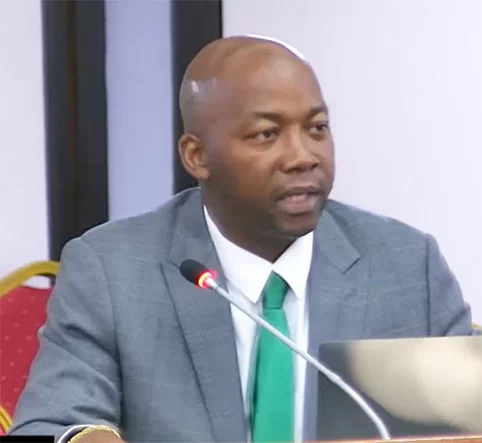
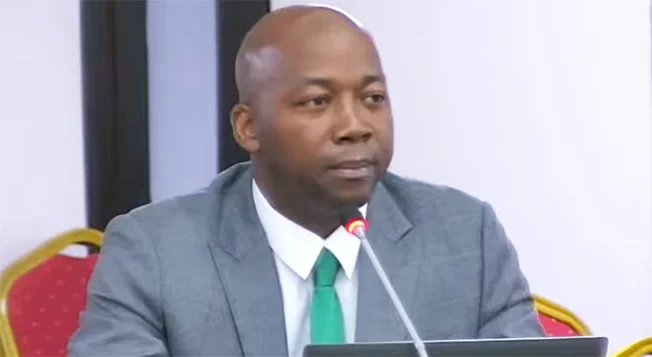
    Opening the 2026 Caribbean Energy Week on Tuesday in Paramaribo’s iconic Royal Torarica venue, Suriname’s Minister of Foreign Affairs, International Business and International Cooperation Melvin Bouva laid out the South American nation’s ambitious strategy: leverage its rapidly expanding oil and gas industry as a springboard for sweeping national economic transformation and deeper global partnership.

    The three-day industry conference brings together heads of government, institutional investors, and C-suite energy executives from across the globe, with a shared goal of cementing the Caribbean region’s status as one of the world’s fastest-growing emerging energy hubs. In his opening keynote address, Bouva framed Suriname’s current moment as a historic turning point. Recent large-scale offshore oil and gas discoveries have already catapulted the small nation onto the global energy map, drawing unprecedented attention from international energy firms and capital markets.

    But Bouva issued a clear caution: rich natural resource endowments alone do not guarantee long-term shared prosperity. Instead, he argued, the oil and gas sector must act as a catalyst to drive diversification across Suriname’s broader economy, rather than serving as an end goal in itself. His vision positions the emerging energy industry as the foundational base to nurture local entrepreneurship, upskill national workforces, and incubate entirely new domestic industries across other sectors.

    “The success of our energy sector will not be measured solely in barrels of oil produced or cubic feet of gas extracted,” Bouva emphasized. “Its true success will be counted in the new local businesses it spawns, the marketable skills it builds for our people, and the lasting, mutually beneficial partnerships it forges with the global community.”

    International partnerships stand as a core pillar of Suriname’s new economic strategy, according to the minister. In today’s interconnected global economy, he noted, modern diplomacy is no longer limited to political engagement; it is increasingly focused on advancing economic cooperation that delivers mutual benefits. That means connecting untapped regional opportunities to global investment capital, pairing innovative development ideas with financial resources, and aligning Suriname’s national development ambitions with the expertise and scale of international partners.

    A key priority of this approach is ensuring natural resource development delivers sustainable, long-term value creation that benefits all Surinamese people, Bouva said. The government is committed to creating space for robust local participation in the energy sector, supporting the growth of domestic Surinamese businesses to compete and thrive alongside large international investors.

    To back this strategy, Bouva outlined a series of targeted policy reforms the Surinamese government has already implemented to strengthen the country’s investment climate. These reforms include the enactment of a modern, investor-friendly national investment law, enhanced regulatory capacity for the Suriname Investment and Trade Agency (SITA), and the development of a balanced local content policy designed to maximize the economic spillover benefits of energy development for domestic stakeholders. Through these changes, Bouva said, Suriname is working to establish itself as a transparent, reliable, and open partner for global trade and investment.

    In closing, Bouva reiterated that while energy development can serve as a powerful engine for Suriname’s economy, sustained and shared progress ultimately depends on investment in people, collaborative governance, and a clear long-term vision. He called on all attendees and stakeholders to seize the current momentum of the region’s energy boom, and work collectively to build a sustainable, inclusive future for Suriname and the entire Caribbean.

  • Sri Sri Ravi Shankar: ‘Santokhi heeft Suriname met oprecht hart gediend’

    Sri Sri Ravi Shankar: ‘Santokhi heeft Suriname met oprecht hart gediend’

    Global spiritual leader and peace ambassador Sri Sri Ravi Shankar, founder of the Art of Living (AOL) Foundation, has shared a heartfelt tribute following the passing of former Suriname President Chan Santokhi, praising the late leader’s decades of dedicated service to the South American nation.

    In his statement, Sri Sri highlighted Santokhi’s legacy of leadership, noting that the former president served Suriname with courage, dignity, and unwavering sincerity throughout his time in office. Even amid periods of significant national crisis and political challenge, Sri Sri said Santokhi remained steadfast in his principles, clear in his policy vision, and deeply compassionate toward the Surinamese people, working tirelessly to advance national stability and improve living standards for all citizens.

    The bond between Santokhi and the Art of Living Foundation dates back years, with Sri Sri making his fourth visit to Suriname in 2022 at the personal invitation of the then-president. During that trip, the renowned peace advocate brought his global peace campaign to Suriname, an initiative rooted in the vision that global peace can be achieved by building violence-free, low-stress communities around the world. Santokhi made history as the first head of state to publicly commit to the campaign’s flagship online pledge, “I Stand for Peace,” adding his official signature to the movement.

    Sri Sri emphasized that Santokhi’s legacy of selfless service will endure long in the memories and hearts of everyone whose life he touched during his years of public service.

    The Art of Living has operated in Suriname since 1998, offering a range of programs including breathwork and guided meditation courses designed to help practitioners cultivate lasting inner peace. Beyond his public role, Santokhi maintained a strong personal interest in spiritual practice, and completed a full AOL training course in 2023 to deepen his practice. Even with the heavy demands of his presidential schedule, Santokhi made consistent effort to integrate the breathing and mindfulness techniques he learned into his daily routine.

  • Verdachten in Vaco-brandstichtingszaak in hoger beroep

    Verdachten in Vaco-brandstichtingszaak in hoger beroep

    More than a year after a devastating arson attack destroyed a beloved historic bookstore and damaged three adjacent city-center buildings in the Netherlands, two men convicted in the case have formally launched an appeal against their convictions and sentences. The appeal hearing got underway Monday, marking the next chapter in a case that has shaken the local community. At the original trial, defendant N.J. was sentenced to 10 years in prison, while co-defendant H.S. received a six-year custodial sentence. N.J. has long contested his conviction and sentence, arguing that he received disproportionate punishment because he was neither the mastermind nor the lead organizer of the arson plot, a claim he has reiterated throughout the legal process.

    According to N.J.’s statements to police, he was approached by H.S. to participate in the plan to set fire to one of the city center’s iconic green-and-white listed buildings. The pair were promised a payout of €10,000 for the attack from a figure identified only as “Lori,” who is alleged to be the person who ordered the arson. Lori and another man, identified as rapper K., were taken into custody in 2024 in connection with the plot, but were quickly released by the examining magistrate and will not face any further prosecution for the crime.

    N.J. also told investigators that he had only been released from prison for three months when he agreed to take part in the scheme. He initially claimed he had only been asked to provide a taxi ride for the group, but admitted under judicial pressure that he had thrown an oil-soaked rag into the fire to help the blaze spread more quickly.

    The targeted building on Domineestraat, which housed the well-known Vaco Bookstore, was set on fire on January 15, 2024. The blaze quickly spread beyond the original structure, leaving three other nearby buildings also damaged by fire. In the wake of the attack, Vaco has offered a $50,000 reward for any information or witness statements that can lead to the identification and prosecution of the actual mastermind behind the arson. The appeal case is scheduled to resume in June, with no further updates on proceedings expected before that date.

  • Herinneringen aan Santokhi: Toewijding aan democratie en regionale samenwerking

    Herinneringen aan Santokhi: Toewijding aan democratie en regionale samenwerking

    The international community is united in grief following the sudden passing of former Surinamese President Chandrikapersad ‘Chan’ Santokhi at age 67. Leaders across the Americas and beyond are commemorating his legacy as a dedicated statesman, bridge-builder, and champion of democratic values and regional cooperation.

    Regional tributes highlight Santokhi’s profound impact on Caribbean unity. Representatives from Bonaire’s Human Rights Organization praised his “tireless advocacy for democratic governance and the dignity of his people,” noting his active engagement in CARICOM meetings demonstrated deep commitment to regional solidarity. Caribbean Community (CARICOM) officials emphasized his distinguished service as Conference Chair of CARICOM Heads of Government in 2022, where he decisively addressed critical issues including skills certification expansion, the Haiti situation, and industrial policy development.

    Barbados Prime Minister Mia Mottley recalled Santokhi’s profound understanding of regional partnerships, noting he worked “with warmth and purpose” to strengthen Caribbean community ties. She revealed his last communication was a heartfelt congratulatory message following her recent electoral victory, calling this gesture emblematic of his “courteous, attentive nature and dedication to friendship in public life.”

    Netherlands Prime Minister Rob Jetten underscored Santokhi’s role in strengthening bilateral relations, acknowledging his “unceasing efforts to enhance ties between the Netherlands and Suriname.” The Dutch Royal House recognized his contributions to democratic order and security, noting his work strengthening Netherlands-Suriname relations remains a “warm memory.”

    Indian Prime Minister Narendra Modi highlighted Santokhi’s cultural connections, noting his “affection for Indian culture” and role in strengthening India-Suriname relations. Modi observed Santokhi “won countless hearts” by taking his presidential oath in Sanskrit, calling his passing “an irreplaceable loss for the global Indian diaspora.”

    French Ambassador Nicolas de Lacoste expressed that “France has lost a friend and reliable partner” who significantly deepened bilateral relations. The U.S. Embassy in Suriname honored Santokhi as an alumnus of their International Visitor Leadership Program, recognizing his contributions to the Surinamese people and broader Caribbean region.

  • NPS eert Santokhi als toegewijde leider en bouwmeester van Surinames democratie

    NPS eert Santokhi als toegewijde leider en bouwmeester van Surinames democratie

    Suriname’s political landscape is in mourning following the sudden passing of former President Chandrikapersad Santokhi on March 30. The esteemed leader, who also chaired the Progressive Reform Party (VHP), died at age 67 after suddenly falling ill, with medical assistance proving unable to save him.

    The National Party of Suriname (NPS) issued an official statement honoring Santokhi as a dedicated statesman whose entire career was committed to Suriname’s development and progress. The NPS leadership and membership recognized his pivotal role in strengthening democratic institutions, fostering international relations, and promoting sustainable growth throughout his tenure.

    Santokhi’s profound involvement in parliamentary processes and his strategic leadership within the VHP established him as a highly respected figure within Surinamese politics. The NPS acknowledged the significant void his death creates for both his political party and the nation’s broader society.

    Gregory Rusland, NPS Chairman, expressed the party’s solidarity with Santokhi’s family and loved ones during this difficult time, extending wishes for strength and comfort. “May the memory of his dedication, leadership, and contributions to Suriname continue to inspire all those working toward our nation’s welfare,” Rusland stated on behalf of the NPS executive board and membership.

    The NPS emphasized that Santokhi leaves behind an impressive legacy characterized by unwavering commitment, integrity, and public service—qualities that provide a foundational blueprint for future generations to build upon in continuing Suriname’s development journey.

  • VHP-Nederland prijst Santokhi als bruggenbouwer en toegewijd leider

    VHP-Nederland prijst Santokhi als bruggenbouwer en toegewijd leider

    Suriname and its diaspora communities are mourning the unexpected passing of President Chandrikapersad Santokhi, who died on March 30 at age 67. The Netherlands branch of the Progressive Reform Party (VHP) has honored him as a statesman of exceptional caliber whose visionary leadership fundamentally redirected Suriname’s political trajectory.

    Santokhi’s presidency was marked by his relentless campaign against criminality and unwavering commitment to the rule of law, which guided the nation through multiple crises including the COVID-19 pandemic and a severe financial downturn. His administration established critical foundations for economic recovery and future stability through successful implementation of an IMF program and the landmark investment decision by TotalEnergies that positions Suriname as an emerging energy producer.

    The late president revolutionized Surinamese politics by transcending traditional ethnic boundaries, opening his party to all citizens regardless of background. This inclusive approach earned overwhelming voter confidence in the 2020 elections, resulting in VHP emerging as the largest political party.

    Beyond economic reforms, Santokhi demonstrated profound social engagement through initiatives like the National Fund for Community Development (RVI) that ensured national wealth benefited all segments of society. His intellectual depth and connection to the diaspora were evidenced through ongoing engagements including the annual Jagernath Lachmon lectures.

    VHP-Netherlands has expressed deepest condolences to the family and all affected, urging continued dedication to Santokhi’s vision of “a just, united, and prosperous Suriname” according to board representative Lachman Soedamah.

  • ‘Gevaarlijke escalatie’: Wereld veroordeelt Israëlische doodstrafwet voor Palestijnen

    ‘Gevaarlijke escalatie’: Wereld veroordeelt Israëlische doodstrafwet voor Palestijnen

    The Israeli Knesset has approved a highly contentious legislation that institutionalizes capital punishment through hanging for Palestinians convicted of lethal attacks against Israeli citizens. The law, which applies exclusively to Palestinians from the occupied West Bank, has triggered widespread international condemnation and raised serious concerns about human rights violations.

    National Security Minister Itamar Ben-Gvir, a prominent right-wing nationalist, championed the legislation and was photographed celebrating its passage with champagne in the parliamentary chambers. Defying international criticism, Ben-Gvir declared: ‘We are not afraid, we will not submit.’

    The timing of this legislation coincides with escalating violence by Israeli military forces and settlers against Palestinians in the West Bank, accompanied by thousands of arrests amid Israel’s ongoing military operations in Gaza that some international observers have characterized as genocidal.

    Palestinian authorities have condemned the law as a ‘dangerous escalation,’ emphasizing Israel’s lack of sovereignty over Palestinian territories. Hamas has labeled it a ‘dangerous precedent’ threatening Palestinian prisoners’ lives and called for international intervention. Mustafa Barghouti, Secretary-General of the Palestinian National Initiative, warned the legislation specifically targets political prisoners and activists, representing what he called a ‘fascist shift’ within Israel’s governance system.

    International human rights organizations have responded with severe criticism. The UN Human Rights Office in Palestine demanded immediate repeal of the ‘discriminatory’ law, noting it deepens segregation and apartheid policies since it exclusively targets Palestinians who often face unfair judicial processes. Amnesty International described the legislation as ‘a public display of cruelty, discrimination, and contempt for human rights,’ highlighting patterns of extrajudicial executions and violence against Palestinians.

    Alain Berset, Secretary-General of the Council of Europe, characterized the development as a ‘serious regression,’ emphasizing that capital punishment represents an anachronism incompatible with modern human rights standards. European foreign ministers, including Ireland’s Helen McEntee and Italy’s Antonio Tajani, jointly condemned the law, with McEntee noting its ‘de facto discriminatory nature’ and Tajani calling for absolute respect for the value of human life.

    The legislation has intensified global scrutiny of Israel’s treatment of Palestinians and raised fundamental questions about compliance with international humanitarian law in occupied territories.

  • Column: De les van een onverwacht afscheid

    Column: De les van een onverwacht afscheid

    The unexpected passing of Chan Santokhi has sent shockwaves throughout the nation, leaving citizens and political circles alike grappling with the profound suddenness of mortality. A figure who recently stood at the pinnacle of political influence, having secured 45,894 votes and the trust of many, has now become a symbol of life’s unpredictable nature.

    Santokhi’s legacy remains complex—viewed by some as a cherished leader while others regarded him with criticism or disappointment. Yet in death, these political distinctions fade into insignificance. The titles of president, party leader, and assembly member dissolve, leaving only the silent absence where once stood a living, breathing human being.

    This tragic event has triggered deep societal introspection about the transient nature of existence. The article poignantly questions how we prepare for sudden loss when someone who recently spoke, walked, and made plans abruptly vanishes from our lives. It highlights the universal truth that no one—regardless of power, popularity, or position—is exempt from mortality’s reach.

    The narrative evolves beyond political commentary to examine how societies process grief. While many pause to mourn and reflect, others respond with harsh words and coldness, revealing our collective struggle to embrace life’s fundamental fragility. The piece suggests that Santokhi’s ultimate legacy may not be his political achievements or failures, but rather the opportunity his passing creates for national contemplation.

    The article concludes with a powerful meditation on what truly endures beyond our temporal existence: not positions, titles, or electoral votes, but the traces we leave in other people’s lives, the compassion we show, and the space we create for others. It serves as an invitation to live more consciously, hate less, understand more, and recognize that despite our differences, we share the same fragile human journey toward an inevitable yet uncertain end.

  • Chandrikapersad Santokhi: Van ‘The Sheriff’ tot Staatsman

    Chandrikapersad Santokhi: Van ‘The Sheriff’ tot Staatsman

    Suriname and the Caribbean region mourn the sudden passing of President Chandrikapersad ‘Chan’ Santokhi on March 30, 2026. The 67-year-old leader from Lelydorp leaves behind a remarkable political legacy characterized by unwavering commitment to justice, economic reform, and regional cooperation.

    Santokhi’s journey from police academy graduate in Apeldoorn, Netherlands to national leadership was marked by exceptional dedication to law enforcement. His early career saw rapid advancement within Suriname’s police force, eventually becoming head of national criminal investigation and police commissioner. His tough-on-crime approach earned him the nickname ‘The Sheriff’ – a moniker he embraced, stating: ‘People want law and order. Hence the call for security, the call for sheriff.’

    As Minister of Justice from 2005-2010, Santokhi achieved significant milestones including removing Suriname from the U.S. blacklist of drug transit countries. His most notable contribution was initiating the criminal proceedings against former dictator Desi Bouterse for the December 1982 murders, demonstrating his steadfast commitment to accountability.

    Elected president in 2020, Santokhi ended the Bouterse era and inherited a financially exhausted nation. He implemented an unpopular but necessary IMF reform program, acknowledging communication shortcomings while maintaining his conviction: ‘We could have chosen a populist course aimed at winning elections. But that would have been irresponsible given our situation.’

    His regional leadership as CARICOM Chairman in 2022 strengthened Caribbean unity, particularly enhancing relations with Guyana. President Irfaan Ali of Guyana described him as ‘a brother forged by conviction’ who worked wholeheartedly for regional progress.

    Survived by his wife Mellisa Seenacherry and two children, Santokhi’s legacy extends beyond family to national transformation. His son Rishano remembered him as a man with strong legal vision whose principles continue to shape Suriname and the Caribbean.

    Santokhi’s philosophy centered on inclusive nation-building: ‘We cannot build a nation while tolerating major disparities. Structurally disadvantaged groups require targeted support strategies – not as favor but as duty.’ His passing creates a leadership void, but his exemplary dedication to justice and development endures.