标签: Suriname

苏里南

  • Paus Leo: Oorlog in Midden-Oosten ‘schandaal’ voor de mensheid

    Paus Leo: Oorlog in Midden-Oosten ‘schandaal’ voor de mensheid

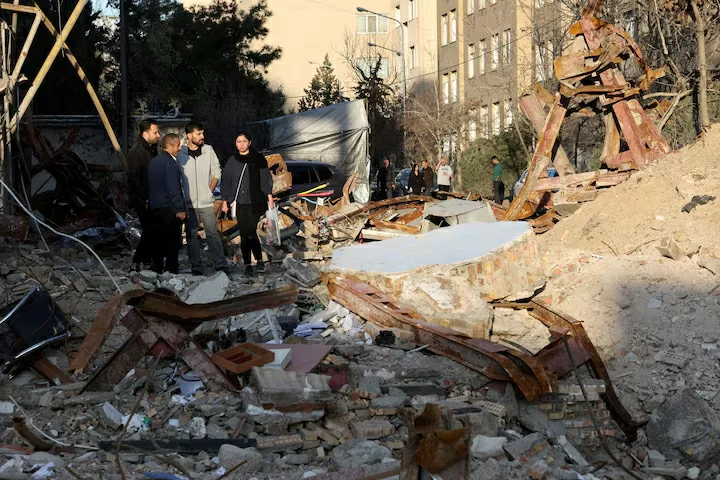
    Pope Leo XVI has issued a powerful condemnation of the ongoing Middle East conflict, describing the widespread death and suffering as a “scandal for the entire human family” during his weekly Angelus address in St. Peter’s Square. The pontiff reiterated his urgent appeal for an immediate ceasefire as the joint U.S.-Israel military campaign against Iran enters its fourth week.

    The first American pope expressed profound dismay at the deteriorating situation across conflict-ridden regions, particularly highlighting the Middle East crisis. “We cannot remain silent in the face of so much suffering,” Pope Leo declared. “The helpless victims of these conflicts are being wounded, and what hurts them affects all of humanity.”

    The spiritual leader detailed the catastrophic humanitarian consequences: countless civilian casualties including women and children, destroyed critical infrastructure such as hospitals and schools, and millions displaced from their homes. He emphasized that the psychological trauma inflicted on survivors would likely reverberate through generations.

    Amid escalating regional tensions, the joint U.S.-Israeli operations have intensified with airstrikes and increased military presence targeting Iran. Recent reports indicate conflict spillover affecting civilian areas near Israeli borders. While the international community continues to press for de-escalation and renewed peace negotiations, tangible progress remains elusive.

    Pope Leo concluded with a spiritual imperative: “I strongly urge perseverance in prayer so that hostilities may cease and the path to peace may finally be opened.” His statement underscores the critical need to end violence not only for immediate victims but for global stability and security.

  • Wereldwaterdag: druk op waterinfrastructuur in Suriname en Caribisch gebied

    Wereldwaterdag: druk op waterinfrastructuur in Suriname en Caribisch gebied

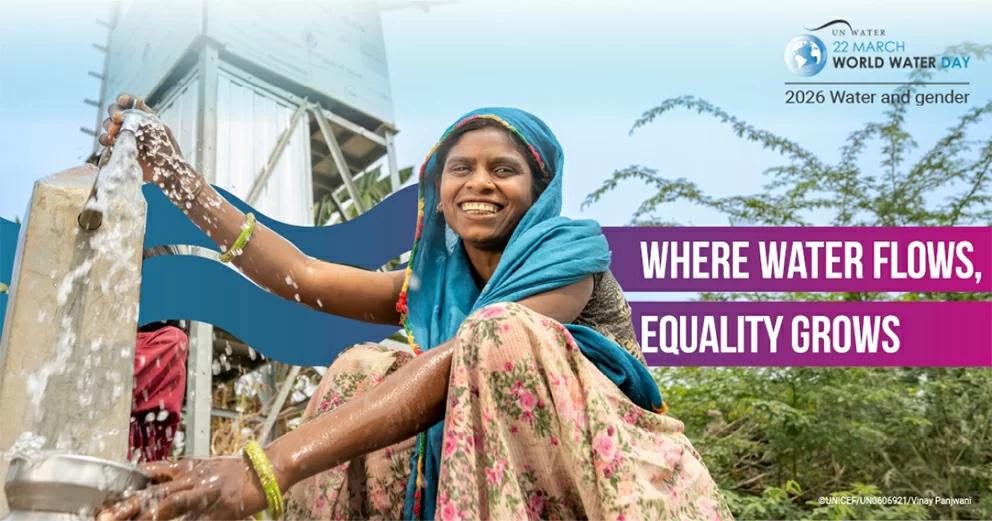
    On World Water Day, March 22nd, Suriname’s national water utility company SWM has drawn attention to the critical importance of maintaining sustainable and reliable water supply systems despite the country’s abundant freshwater resources. The company emphasized that careful management remains essential to ensure clean and safe drinking water for future generations.

    SWM is currently advancing multiple strategic initiatives to enhance drinking water infrastructure. The Water Supply Modernization Program, financed by the Inter-American Development Bank, focuses on reducing water loss, modernizing production stations, and institutional strengthening. Simultaneously, the Water Supply Infrastructure Improvement Project—supported by the French Development Agency and European Union—is rehabilitating and upgrading water production facilities in the Wanica and Marowijne regions.

    The utility company is actively promoting conscious water usage and urging society to protect water sources. Additional investments are being made in staff training and technological innovation to future-proof the water supply system.

    Across the broader Caribbean region, water systems face mounting pressures from aging infrastructure, growing demand, and climate change impacts. While approximately 90% of households have access to piped water systems, many countries struggle with unreliable supply, significant water loss through leaks, and inadequate wastewater management—issues that harm both economic stability and ecological health.

    Lilia Burunciuc, World Bank Director for the Caribbean, identified reducing water loss, strengthening regional cooperation, and investing in training and modern technologies as essential measures to enhance water security. She noted that substantial financial investment is required to develop climate-resilient and efficient water services, emphasizing that public funding alone will not suffice.

    The World Bank continues to support Caribbean governments in modernizing water infrastructure and improving management practices to promote employment, economic resilience, and sustainable growth.

    With World Water Day serving as a catalyst, strengthening sustainable water supply and public awareness remains a priority throughout Suriname and the wider Caribbean region.

  • Trump dreigt met aanval op Iraanse energie-infrastructuur

    Trump dreigt met aanval op Iraanse energie-infrastructuur

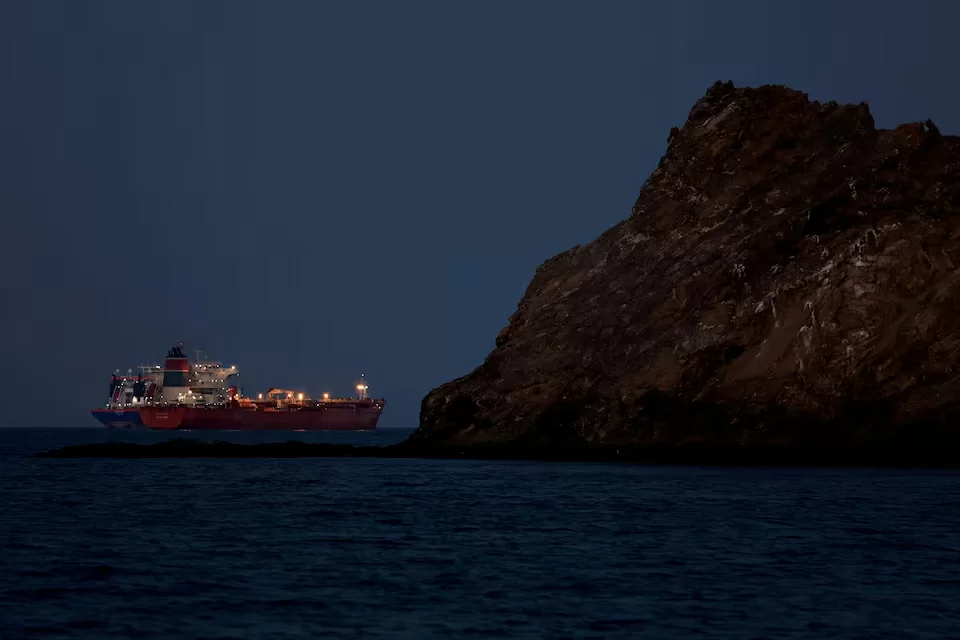
    The strategic Strait of Hormuz has become the epicenter of a rapidly escalating military confrontation between the United States and Iran, triggering global economic concerns and fears of regional warfare. President Donald Trump issued a stark 48-hour ultimatum via social media, threatening to “obliterate” Iranian power plants if Tehran fails to fully reopen the critical waterway without conditions.

    The crisis intensified as Iran launched ballistic missiles with unprecedented 4,000-kilometer range capabilities, targeting the Diego Garcia military base in the Indian Ocean and Israeli cities Dimona and Arad. Israeli military authorities confirmed these represent Iran’s first long-range missile deployments since hostilities began in late February, noting their potential reach extends to European capitals including Berlin, Paris, and Rome.

    Iran’s Revolutionary Guard Corps claimed targeting military installations and security centers, while Prime Minister Benjamin Netanyahu characterized the assault as “extremely difficult” while reaffirming Israel’s determination to counter threats on all fronts.

    The economic ramifications are already materializing globally, with European gas prices surging 35% due to disrupted oil and gas shipments through the Strait, which facilitates approximately one-fifth of global energy exports. The conflict has claimed over 2,000 lives since its inception, creating mounting political pressure on the Trump administration ahead of midterm elections.

    Iran issued counter-threats through spokesman Ebrahim Zolfaghari, warning that any attacks on Iranian energy infrastructure would trigger retaliatory strikes against US and Israeli-linked facilities across the Middle East, including desalination plants and information technology infrastructure. Former Iranian National Security Council head Ali Larijani amplified these warnings, suggesting the entire region could experience power outages within thirty minutes if Iran’s electrical grid is compromised.

    G7 nations issued a joint statement condemning Iran’s “reckless attacks and proxy operations” while expressing support for regional partners and emphasizing the need to protect global energy supplies and secure maritime routes. Meanwhile, analysts observe Trump appears to be losing control of the conflict dynamics, facing criticism for inconsistent messaging after recently discussing winding down military operations before issuing the current ultimatum.

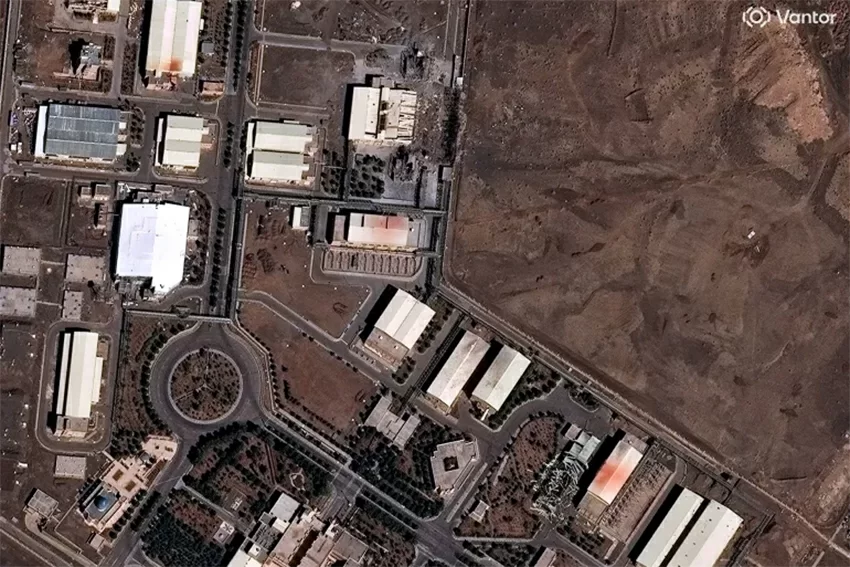
    The violence has expanded to neighboring countries, with Iran’s Natanz nuclear facility suffering attacks (though without radioactive leakage) and other strategic targets being struck across the region, increasing risks of broader regional warfare.

  • VIDS op Wereld Waterdag: Inheemse dorpen kampen met ernstige waterproblemen

    VIDS op Wereld Waterdag: Inheemse dorpen kampen met ernstige waterproblemen

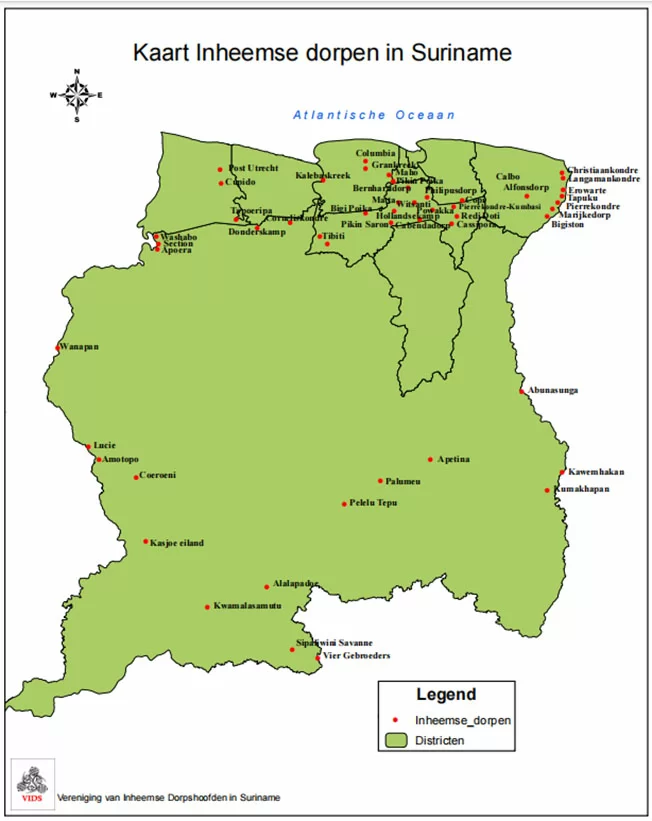
    On World Water Day, the Association of Indigenous Village Chiefs in Suriname (VIDS) has issued an urgent appeal addressing the severe water infrastructure deficits plaguing indigenous communities throughout the country. Despite international development agendas—including the Sustainable Development Goals (SDGs)—promising to ‘leave no one behind,’ indigenous and tribal populations in Suriname continue to experience systemic neglect regarding access to clean drinking water, sanitation, and reliable infrastructure.

    Recent analyses confirm that numerous interior communities remain dependent on rainwater, creeks, or rivers due to a near-total absence of basic water systems. Village leaders from multiple regions reported alarming conditions:

    In Marowijne, villages such as Langamankondre and Christiaankondre face acute water shortages, requiring emergency shipments from Paramaribo to supply schoolchildren. These communities also lack consistent electricity, relying on outdated generators despite proximity to urban centers. Similarly, in Alfonsdorp, a water source managed by the Surinamese Water Company exists but fails to provide 24/7 supply, forcing residents to rely on irregular and often contaminated water from neighboring villages.

    In Para, growing settlements like Wit Santi struggle with water accessibility, with households compelled to carry water long distances or collect rainfall. High connection fees further exacerbate inequities. Meanwhile, in Hollandse Kamp, taps have run dry for four years, and trucked-in water frequently fails to meet SDG 6 safety standards.

    Water quality remains another critical concern. In Donderskamp, recently rehabilitated water installations still produce dark, undrinkable water, compelling residents to seek alternative—and often unsafe—sources. In western regions such as Apoera, Section, and Washabo, arbitrary flat fees and alleged payment arrears—sometimes exceeding SRD 10,000—have sparked outrage, especially as meter installation costs remain unaffordable for most families.

    Southern Suriname suffers near-total absence of water infrastructure, with communities depending on river and creek water increasingly contaminated by mining pollutants, erosion, and climate-induced droughts and floods.

    Water pollution poses a severe threat to traditional sources. Rivers once considered safe, like the Marowijne, are now tainted by mercury and chemicals from gold mining—activities often licensed without adequate protection for indigenous territories.

    Women and girls bear the heaviest burden, as water collection and management traditionally fall to them. Water scarcity heightens their workload, curbing educational and economic opportunities and compounding discrimination based on gender, ethnicity, and socioeconomic status.

    VIDS emphasizes that these issues stem from structural marginalization, insufficient inclusion in policy processes, and the lack of full legal recognition of indigenous collective rights. Although indigenous organizations are occasionally invited to policy dialogues, their input rarely influences outcomes.

    The association urges the government and relevant agencies to:
    – Invest urgently in sustainable interior water infrastructure;
    – Ensure fair and affordable water pricing;
    – Strictly regulate mining-related water pollution;
    – Involve indigenous communities in decision-making through Free, Prior, and Informed Consent (FPIC);
    – Center gender equality in water policy.

    Without structural solutions and genuine community participation, VIDS warns, the SDG pledge to ‘leave no one behind’ will remain an empty promise for Suriname’s indigenous peoples.
  • SVJ benadrukt: zelfregulering moet persvrijheid beschermen

    SVJ benadrukt: zelfregulering moet persvrijheid beschermen

    The Suriname Association of Journalists (SVJ) has initiated a comprehensive accreditation program aimed at organizing and professionalizing the country’s media landscape. This move comes in response to what the association describes as “wild growth” within the journalistic profession and confusion about legitimate news sources.

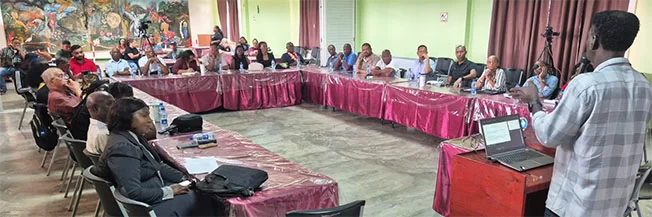
    During an information session held Saturday at the Asewa Otono building, SVJ leadership emphasized that the accreditation system represents a form of self-regulation rather than government-imposed control. The association explicitly stated that the program will not compromise journalistic freedom or facilitate government restrictions on press liberties.

    SVJ President Naomi Hoever clarified that the accreditation badge system, introduced on February 9 during the association’s 35th anniversary celebrations, requires journalists to commit to established professional ethics. The program applies to both SVJ members and non-members alike.

    “Accreditation is not designed to exclude individuals but rather to promote clarity, recognition, and quality within the journalistic profession,” Hoever stated during the well-attended session that drew significant interest from media professionals across Suriname.

    The association presented multiple arguments demonstrating why professional organization has become essential. Current challenges include uncertainty about what constitutes legitimate news, confusion about which media companies qualify as recognized news organizations, and questions about who practices journalism responsibly according to professional codes.

    Self-regulation through accreditation is presented as an internationally proven model that provides guarantees to both government and society that journalism is being practiced responsibly. The SVJ maintains that journalistic regulation cannot be entrusted solely to the central government, as press freedom doesn’t lend itself to purely legal ordering through legislation.

    The initiative aims to protect the journalistic profession, promote responsibility, counter uncontrolled growth in media, and advance professionalization standards that align with existing national and international benchmarks.

  • DNL: Cassavecrisis, overheid laat hoofdvoedsel binnenland instorten

    DNL: Cassavecrisis, overheid laat hoofdvoedsel binnenland instorten

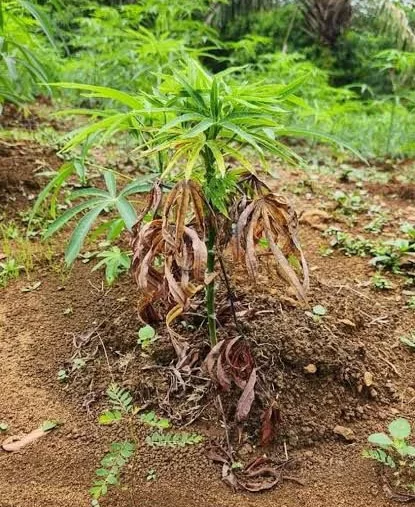
    Suriname is confronting a severe agricultural emergency as an aggressive cassava disease continues to devastate crops across the nation after nearly two years of uncontrolled spread. The viral infection, identified as cassava mosaic disease, has reached epidemic proportions, destroying vast agricultural fields and threatening food security for thousands of families.

    The pathogen, which causes severe leaf discoloration, growth stagnation, and drastic yield reduction, spreads rapidly through contaminated plant material and insect vectors such as whiteflies. What began as an agricultural concern has now escalated into a full-blown national crisis, with once-fertile fields transformed into barren landscapes without harvestable produce.

    Cassava serves as the staple food for interior communities and remains a cherished crop nationwide for producing traditional foods including bojo and chips. The escalating disease now directly endangers the nutritional security of these populations, creating acute food shortages in remote regions.

    Despite repeated warnings from agricultural experts and clear recommendations to declare a phytosanitary emergency—mirroring responses implemented in neighboring Brazil and French Guiana—the Ministry of Agriculture, Livestock, and Fisheries has largely limited its response to media statements. The absence of coordinated action has facilitated mass disease propagation across agricultural regions.

    The Scientific Bureau of DNL, through chairman Rakesh Jhagroe, has issued an urgent call for immediate government intervention. Their comprehensive demands include: immediate destruction of infected fields; halting cassava cutting imports; producing disease-free planting material through CELOS; providing direct support to interior farmers; establishing cross-border collaboration with Brazil and French Guiana; creating a national emergency command for coordination; and implementing intensive awareness campaigns for village communities and agricultural workers.

    Without immediate national mobilization, Suriname stands on the brink of complete cassava production collapse, potentially eliminating the primary food source for thousands of households. Delayed action could precipitate a humanitarian disaster with far-reaching consequences for the nation’s food sovereignty and rural livelihoods.

  • PAHO en India ondersteunen Suriname met ICT-middelen voor moeder- en kindzorg

    PAHO en India ondersteunen Suriname met ICT-middelen voor moeder- en kindzorg

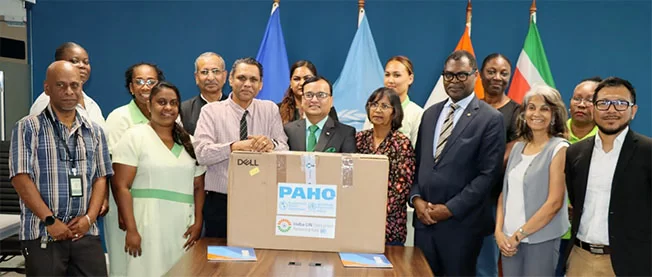
    Suriname’s healthcare system has received a significant technological enhancement with the donation of ten desktop computers aimed at strengthening the prevention of mother-to-child disease transmission. The equipment was formally handed over through a collaborative initiative between the Pan American Health Organization/World Health Organization (PAHO/WHO) and the Government of India.

    The official transfer ceremony witnessed the presence of Indian Ambassador Subhash P. Gupta, with Director Rakesh Gajadhar Sukul from Suriname’s Ministry of Health, Welfare, and Labour accepting the equipment on behalf of the nation. This contribution forms part of the regional project ‘Strengthening the EMTCT Strategy with Maternal and Child Health Services,’ which targets the elimination of mother-to-child transmission of HIV, syphilis, and hepatitis B across Caribbean nations.

    The computer systems will be deployed across multiple healthcare facilities in Suriname, including the Regional Health Service (RGD), Medical Mission, Academic Hospital Paramaribo, ‘s Lands Hospital, St. Vincentius Hospital, Diakonessenhuis, Mungra Medical Center, and the Bureau of Public Health Care.

    This digital infrastructure upgrade will enhance data management capabilities at both primary care and hospital levels, significantly improving continuity of care for pregnant women and newborns. The technology will facilitate better monitoring of health indicators and enable evidence-based policy development, ultimately contributing to reduced maternal and child mortality rates.

    Ambassador Gupta emphasized the importance of international cooperation during the ceremony, stating India’s commitment to deepening relations with Suriname through joint health initiatives. He also acknowledged PAHO’s crucial role in supporting healthcare efforts throughout Suriname and the broader region.

    PAHO/WHO reaffirmed its dedication to improving access to essential healthcare services and strengthening partnerships, with the ultimate goal of completely eliminating mother-to-child transmission of HIV, syphilis, and hepatitis B throughout the Americas.

  • In memoriam mr.dr. Hamied Ahmadali

    In memoriam mr.dr. Hamied Ahmadali

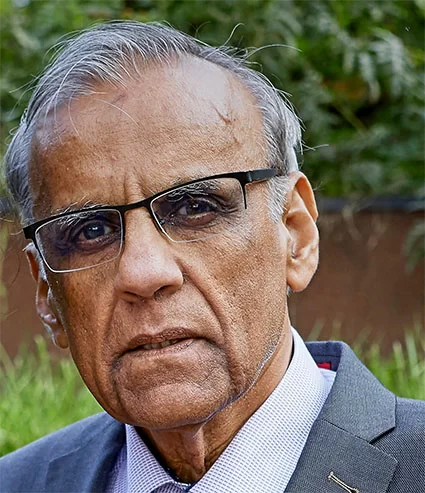
    Renowned legal expert Mr.dr. Hamied Ahmadali, a pivotal figure in Surinamese-Dutch nationality matters, passed away in his Haarlem residence on March 16th at age 78. Ahmadali dedicated his career to addressing complex immigration and citizenship issues affecting Surinamese communities in the Netherlands.

    Beginning his professional journey as a legal policy officer for the National Federation of Surinamese Welfare Institutions in Utrecht, Ahmadali completed his law degree at the University of Amsterdam in 1985. He subsequently established his legal practice, initially in Utrecht before operating from his Haarlem residence.

    Ahmadali’s expertise centered on the Nationality Allocation Agreement between Suriname and Netherlands, which took effect on November 25, 1975 – Suriname’s independence day. His doctoral research at Utrecht University, completed in 1998, exposed significant interpretation challenges and implementation inconsistencies within this landmark agreement. His groundbreaking work revealed how different treaty parties and judicial bodies arrived at conflicting interpretations of the same legal provisions.

    Following his promotion, Ahmadali joined FORUM, Utrecht’s knowledge institute for multicultural development, where he served on the management team until 2002. Throughout his career, he provided pro bono assistance to countless Surinamese individuals navigating nationality, residency, and naturalization challenges. His counsel was regularly sought by attorneys from both nations and government officials during the Venetiaan administrations.

    Beyond his legal accomplishments, Ahmadali co-founded the Suriprofs foundation around the millennium turn, envisioning enhanced football development in Suriname through dual nationality provisions for Dutch professional players of Surinamese descent. Although his specific dual nationality concept wasn’t implemented due to governmental concerns about precedent, his efforts contributed to the eventual establishment of Suriname’s sports passport system in 2019.

    The foundation’s benefit matches generated over €1.8 million between 2000-2015, funding numerous sports and social projects in Suriname. Ahmadali co-edited “Suriprofs: van benefiet tot project” in 2015, documenting these achievements.

    Colleagues remembered Ahmadali for his diplomatic approach and persistent advocacy. John Oliviera-Sierre, former marketing manager of Meer dan Voetbal, noted Ahmadali’s “exceptional perseverance, insight, and commitment” in navigating Suriname’s complex realities from the Netherlands.

    Ahmadali received significant honors for his societal contributions: Officer in the Order of Orange-Nassau (2004) from the Dutch government and Knight in the Order of the Yellow Star (2020) from Suriname’s government.

  • Duurzame cacao-boost geeft nieuw leven aan Surinaamse cacaosector

    Duurzame cacao-boost geeft nieuw leven aan Surinaamse cacaosector

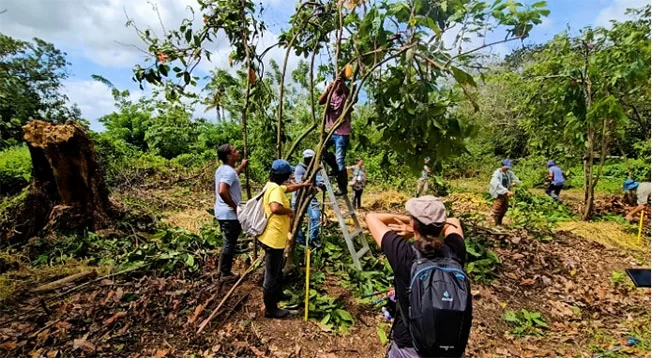
    Suriname’s agricultural landscape is undergoing a significant transformation following an intensive field training program in sustainable cocoa cultivation. The three-day workshop, conducted in Tijgerkreek as part of the groundbreaking ‘No Bean Left Behind’ project, has equipped local farmers with advanced techniques to enhance production quality while promoting environmental conservation.

    The comprehensive training initiative represents a collaborative effort between CELOS (Center for Agricultural Research in Suriname), TAN BUN Skrati, and the Inter-American Development Bank (IDB). This strategic partnership focuses on inclusive development and structural reinforcement of local agricultural communities through targeted knowledge transfer and capacity building.

    Farmers from Brokopondo, Tijgerkreek, and Witagron participated in the rigorous Good Agricultural Practices (GAP) training that blended theoretical knowledge with hands-on field application. Scientific staff from CELOS delivered sessions covering critical aspects including soil health management, agroforestry systems, plant maintenance, disease control, and internationally standardized production techniques.

    During the closing ceremony in Saramacca district, participants received formal certification acknowledging their successful completion of the program. The certificates were presented by CELOS Director Soedeshchand Jairam alongside TAN BUN Skrati CEO Ellen Ligteringen, who emphasized the crucial relationship between cultivation quality and final product excellence.

    The initiative emerged from practical necessity, with many farmers reporting significant yield fluctuations in recent years. This identified knowledge gap prompted the development of ‘No Bean Left Behind’ through grant applications and collaborations with international partners and local stakeholders like the Muller family.

    CELOS is pioneering an innovative agroforestry system that integrates agricultural production with tree conservation, simultaneously enhancing productivity while preserving natural resources. Current research focuses on structurally embedding cocoa cultivation within this sustainable framework, aiming to create more resilient and ecologically balanced production systems.

    Participants praised the training’s practical approach and immediately applicable knowledge, anticipating substantial contributions to both professionalization and sustainability within Suriname’s cocoa value chain. This intervention marks a critical step toward establishing Suriname as a leader in sustainable cocoa production while strengthening local economic resilience.

  • Trump overweegt afbouw militaire operatie, terwijl conflict Midden Oosten escaleert

    Trump overweegt afbouw militaire operatie, terwijl conflict Midden Oosten escaleert

    The Middle East faces unprecedented turmoil as military confrontations between Iran, Israel, and the United States intensify, targeting critical infrastructure and threatening global energy security. Recent developments include a suspected Israeli-American strike on Iran’s Natanz nuclear enrichment facility, though Israel has denied involvement. International Atomic Energy Agency officials have confirmed no radioactive leakage from the site, while Russia condemned the attack as a “blatant violation of international law.

    Simultaneous Israeli airstrikes hit Beirut areas associated with Hezbollah and multiple Iranian cities including Tehran, Karaj, and Isfahan. Iranian media reported three civilian fatalities in a residential building strike in Ramsar, prompting widespread sheltering across Israel in response to air raid alerts.

    Iran retaliated by launching ballistic missiles toward the joint US-UK military base on Diego Garcia Island in the Indian Ocean, approximately 3,800 kilometers away. The missiles missed their target, and the UK Defense Ministry noted the attack occurred before authorization was granted for using British bases for American operations against Iranian targets.

    President Donald Trump signaled a potential reduction in US military engagement, stating via social media that America is “very close to achieving our objectives” and considering scaling back Middle Eastern operations. He urged other nations to assume responsibility for securing the Strait of Hormuz—a critical passage for approximately 20% of global oil and gas exports—emphasizing that the US should not bear this burden alone.

    The conflict has already claimed over 2,000 lives since hostilities began on February 28, with energy infrastructure attacks driving a 50% surge in oil prices and triggering worldwide inflation. European gas prices jumped 35% this week due to damaged facilities, prompting EU calls for reduced consumption and energy demand management.

    Diplomatic channels show slight openings, with Iran indicating willingness to permit Japanese vessels—which handle nearly 90% of Japan’s oil imports—safe passage through the Strait of Hormuz. Meanwhile, Germany and France insist violence must cease before further steps can be taken, even as the US, Japan, Canada, and European allies pledge to secure the vital waterway.

    National positions remain firm: Israel vows to continue targeting Iranian military capabilities, Iran’s leadership emphasizes national unity and resilience, Russia advocates political solutions, and the EU focuses on stabilizing energy markets through coordinated action.