标签: Suriname

苏里南

  • Column: Harde realiteit

    Column: Harde realiteit

    Amid growing social media debates about national football team selection policies, columnist Mireille Hoepel has articulated a robust defense of opinion journalism’s role in stimulating meaningful public discourse. Hoepel emphasizes that columns inherently represent personal perspectives designed to provoke critical thinking rather than universal truths.

    The controversy centers on whether locally-trained footballers should receive preferential selection over foreign-developed players. Hoepel questions the logic of social media commentators who advocate for local players based on presumed rather than demonstrated capabilities, noting that multiple professional coaches—from Gorré to Menzo, Winter, and currently Ten Cate—have consistently identified quality deficiencies in domestically-developed talent.

    Historical exceptions like Emilio Limon and Sergio Aroepa demonstrate that exceptional local players have always earned selection through proven merit rather than geographical origin. Hoepel argues that current selection debates often overlook crucial performance details that determine match outcomes, prioritizing sentimental local preferences over objective quality assessments.

    The columnist expresses concern that national pride might prevent constructive learning from international expertise, emphasizing that professional scouts evaluate players based on demonstrated abilities rather than assumptions. Hoepel concludes that while diverse opinions enrich democratic discussion, social media frequently devolves into unproductive criticism rather than substantive solution-oriented dialogue.
  • Jones: Strafrecht geen middel om critici het zwijgen op te leggen

    Jones: Strafrecht geen middel om critici het zwijgen op te leggen

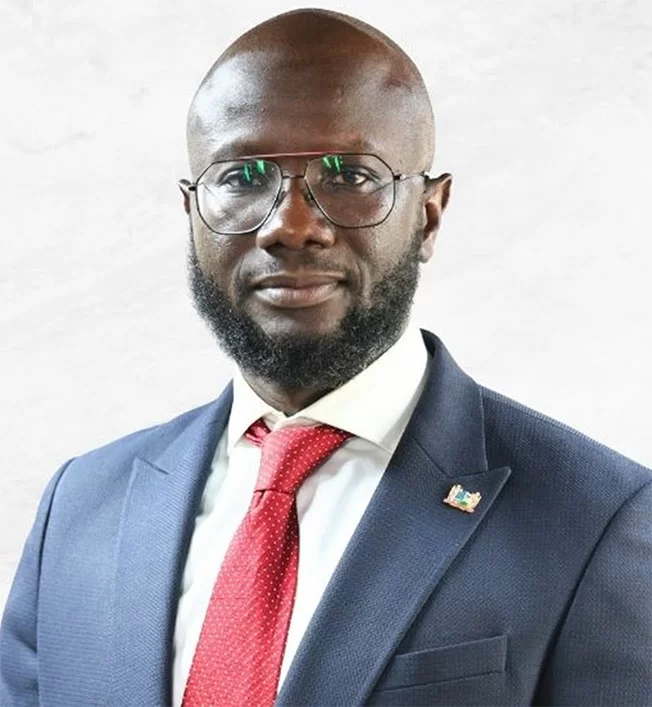
    A renewed debate over freedom of expression has emerged in Suriname following the recent arrests of Rishano Santokhi, son of former President Chan Santokhi, and citizen Stefanus Gerson. The detentions have drawn sharp criticism from National Assembly member Ebu Jones of the opposition NDP party, who argues that criminal law is being misused to suppress dissent.

    The arrests stem from provisions in Suriname’s Penal Code—commonly referred to as ‘gag laws’—that criminalize defamation, libel, and insult. Santokhi was detained following a November 2024 complaint by the Public Prosecutor’s Office regarding statements allegedly directed at Attorney General Garcia Paragsingh. Gerson faced similar charges for comments made on Facebook criticizing police authorities.

    Assemblyman Jones contends that the most troubling aspect of these arrests is the procedural pattern: citizens are frequently detained for their expressions, with substantive judicial review occurring days after incarceration or not at all. ‘Individuals are first arrested and sometimes held for several days before being released. Judicial review only comes afterward,’ Jones stated, emphasizing that independent assessment should precede any deprivation of liberty.

    Jones maintains that criminal law should serve as ‘ultimum remedium’—a last resort—rather than the primary instrument for addressing reputation-related conflicts. He advocates for civil litigation as the appropriate avenue for reputation disputes, allowing courts to determine whether unlawful expression occurred and whether damages are warranted.

    The opposition lawmaker warns that criminal provisions risk being weaponized as tools of intimidation. ‘Criminal law must not be used to silence people,’ he emphasized, noting that freedom of expression constitutes a fundamental pillar of constitutional democracy.

    Within the National Assembly, legislative proposals are underway to eliminate or revise the controversial gag laws. Jones, among the initiative’s sponsors, aims to strike a better balance between reputation protection and free speech rights. He simultaneously acknowledges that emerging technologies—including artificial intelligence and manipulated media—require new legal safeguards. ‘Mechanisms will need to be developed for these challenges,’ he conceded.

    The recent arrests have underscored the urgent need for clear boundaries regarding criminal law’s application to public discourse. As Jones concluded: ‘Freedom of expression is a foundation of the rule of law. Criminal law should not be the first instrument for words, but the last.’

  • Overleg Suriname en Cuba over inzet artsen en veiligheid studenten

    Overleg Suriname en Cuba over inzet artsen en veiligheid studenten

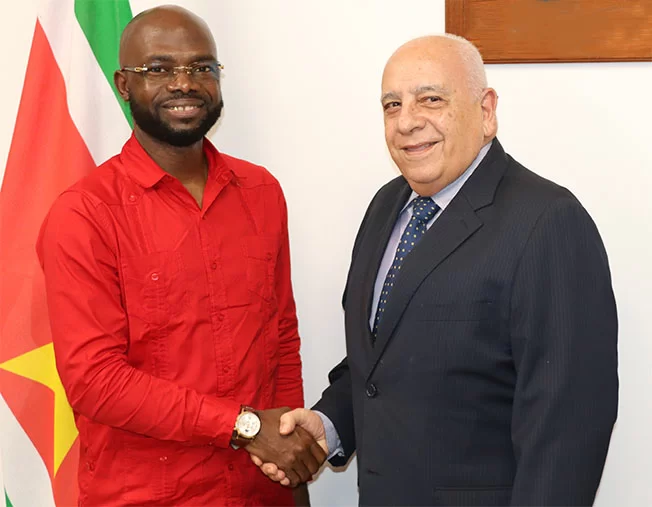
    In a significant diplomatic engagement, Suriname’s Minister of Health, Welfare, and Labor André Misiekaba convened with Cuban Ambassador Roberto Blanco Domínguez to address critical aspects of their bilateral healthcare cooperation. The high-level discussion, held on March 4th, focused on two pressing matters affecting the longstanding medical partnership between the nations.

    The dialogue primarily addressed the status of Cuban healthcare professionals currently residing in Suriname who have yet to be integrated into the local healthcare system. While these medical experts have expressed eagerness to contribute their specialized skills, Minister Misiekaba clarified that mandatory screening procedures and administrative protocols must be completed before their deployment within Suriname’s medical infrastructure.

    A second crucial agenda item involved addressing concerns of Surinamese medical students pursuing education in Cuba. Amid growing international tensions, several students have raised apprehensions regarding their safety and requested temporary repatriation. Ambassador Domínguez assured that Cuban authorities remain vigilant about protecting the welfare of international students, emphasizing the government’s commitment to their security.

    Minister Misiekaba reaffirmed Suriname’s appreciation for Cuba’s sustained collaboration in strengthening healthcare capabilities, highlighting the historical significance of this South-South cooperation model that has benefited both nations’ medical sectors for decades.

  • Impact én zelf geld verdienen met eigen visie en kennis over (gezondheids)zorg

    Impact én zelf geld verdienen met eigen visie en kennis over (gezondheids)zorg

    A groundbreaking report commissioned by the Dutch Ministry of Health, Welfare and Sport has formally documented the persistent physical, mental, and socio-economic consequences of slavery across generations. Titled “Health and Slavery: Final Report on Health Effects of Slavery” (November 2025), the research acknowledges what descendants of enslaved peoples have long understood: the transatlantic slave trade continues to impact health outcomes centuries later.

    The University of Amsterdam’s contribution highlights a critical paradox – while the recommendation for further research appears predictable, it simultaneously exposes systemic neglect. Indigenous communities and African descendants have maintained their own health remedies for generations, yet these solutions remain unrecognized within Western-dominated medical frameworks. The report notes that traditional healing knowledge has been systematically dismissed due to the predominance of Western perspectives in healthcare evaluation.

    Despite this historical oversight, the document represents significant progress in agenda-setting for culturally appropriate healthcare solutions. It advocates for meaningful recognition – both economic and financial – of existing indigenous knowledge systems. The research underscores concerns about academic studies using community funds to extract traditional knowledge, only to see resulting innovations commercialized without benefiting source communities.

    This pattern reflects imbalanced power dynamics favoring well-funded industries over traditional knowledge holders. The report proposes concrete pathways for Suriname, Caribbean nations, and African countries to leverage their extensive ethnomedical knowledge. By developing proprietary health industries and alternative medical networks, these regions could generate pharmaceutical revenue streams potentially exceeding extractive industries like mining.

    The implementation strategy emphasizes modern technological integration, suggesting artificial intelligence could systematically structure traditional knowledge databases. This approach would add value to scientific institutions while preserving intellectual property rights. International cooperation emerges as essential for developing capital-intensive industries and supply chains.

    Crucially, the report identifies patents as key value generators for Global South nations, as stored knowledge can be progressively monetized within economic systems. This represents a paradigm shift from knowledge extraction to knowledge sovereignty, offering sustainable economic development while addressing historical health disparities.

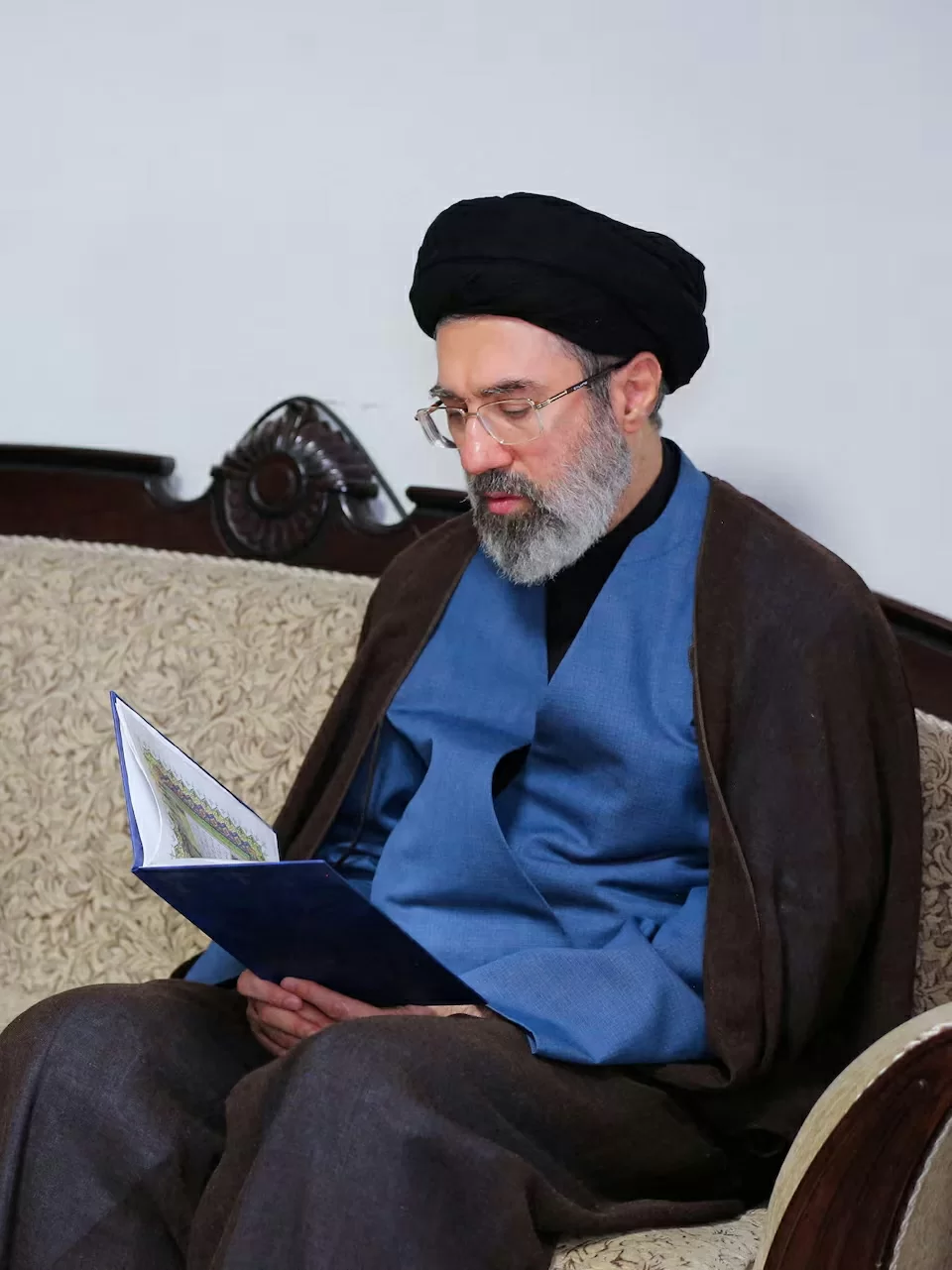
  • Wie is Mojtaba Khamenei, de favoriete opvolger van Iran’s Opperste leider?

    Wie is Mojtaba Khamenei, de favoriete opvolger van Iran’s Opperste leider?

    Following the assassination of Iran’s Supreme Leader Ayatollah Ali Khamenei in Saturday’s airstrike, attention has turned to his second son Mojtaba Khamenei as the leading candidate to assume the Islamic Republic’s highest authority. The 56-year-old cleric, who survived the same attack that killed his father, has spent decades cultivating critical alliances with Iran’s power structures.

    Multiple Iranian sources confirm that Mojtaba has emerged as the establishment favorite to succeed his father, leveraging his extensive connections within the Islamic Revolutionary Guard Corps (IRGC) and influence among the clerical establishment. As a mid-ranking cleric with the title Hojjatoleslam, he has consistently opposed reformers seeking engagement with the West, particularly regarding Iran’s nuclear program.

    Kasra Aarabi, research director for IRGC studies at United Against Nuclear Iran, notes that Mojtaba commands significant support within the IRGC, especially among younger radical elements. “If Mojtaba remains alive, he is very likely to succeed his father,” Aarabi stated, describing him as already operating as a “de facto mini-supreme leader.”

    The Assembly of Experts, responsible for appointing the new leader, has “almost reached a decision” according to member Ayatollah Ahmad Khatami, who spoke to state television without naming specific candidates. The Supreme Leader holds ultimate authority over state matters including foreign policy and nuclear decisions.

    Should he assume power, Mojtaba would inherit substantial challenges including a economy crippled by U.S. sanctions and potential domestic unrest. Many Iranians have demonstrated willingness to protest for greater freedoms despite harsh government crackdowns.

    Born in 1969 in Mashhad, Mojtaba grew up during his father’s opposition to the Shah and later served in the Iran-Iraq war. He studied under conservative clerics in Qom, Iran’s center of Shia theology. Though never holding formal government office, he functioned as his father’s gatekeeper according to insiders.

    His potential succession raises questions about dynastic politics in a country that overthrew a U.S.-backed monarchy in 1979. The U.S. Treasury sanctioned Mojtaba in 2019 for allegedly acting on his father’s behalf without official appointment, accusing him of collaborating with Quds Force commanders and Basij militia to advance regional ambitions and domestic repression.

    Mojtaba’s wife, who perished in Saturday’s attack, was the daughter of prominent hardliner and former parliament speaker Gholamali Haddadadel, further cementing his establishment connections. His physical resemblance to his father and status as a sayyed (descendant of Prophet Muhammad) marked by his black turban contribute to his symbolic legitimacy, though critics note his clerical rank remains below the Ayatollah status held by his father and Republic founder Khomeini.

  • Acties buscontroleurs nog niet opgeheven na overleg met TCT

    Acties buscontroleurs nog niet opgeheven na overleg met TCT

    Public transport services in Suriname remain disrupted as bus control personnel continue their industrial action following inconclusive negotiations with the Ministry of Transport, Communications and Tourism (TCT). Union Secretary Eugene Daniël confirmed to Starnieuws that Monday’s meeting failed to produce concrete solutions, prompting the sustained work stoppage.

    The bargaining session, which eventually extended beyond two hours after a three-hour delay, addressed critical issues including job security provisions and safety concerns for bus controllers performing street duties. The absence of both TCT Minister and Director Verno Prijor due to illness complicated the discussions.

    Union representatives expressed profound dissatisfaction with how controller interests are being handled, emphasizing that systemic changes are urgently required within the department. The union advocates for enhanced professionalization measures and improved personnel management approaches, elements currently lacking within TCT’s operational structure.

    Additionally, workers reportedly perceive that leadership decisions continue to be made unilaterally and influenced by political and ethnic preferences, allegedly favoring certain demographic groups. This perception has further eroded trust between staff and administration.

    The labor action will persist indefinitely until tangible resolutions are provided for the identified problems. Another negotiation round is scheduled for Friday as commuters continue experiencing transportation disruptions across the country.

  • DTV-Express voor rechter gedaagd na bericht over aangifte tegen Burney Brunswijk

    DTV-Express voor rechter gedaagd na bericht over aangifte tegen Burney Brunswijk

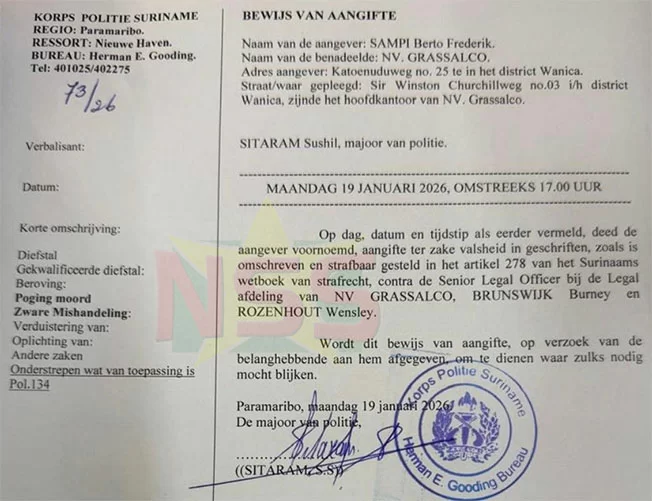
    In a surprising legal development, Surinamese media platform DTV-Express finds itself facing litigation from Burney Brunswijk, a senior legal officer at state mining company NV Grassalco, despite multiple news organizations having published identical information regarding corruption allegations. The lawsuit stems from January 2026 reporting about a criminal complaint filed with the Suriname Police Force’s Herman E. Gooding bureau alleging document forgery against both Brunswijk and Grassalco’s president-directeur Wesley Rozenhout.

    The criminal complaint, officially lodged by Berto Sampi on January 19, 2026, accuses the government mining officials of falsifying documents—an offense punishable under Article 278 of Suriname’s Penal Code. While SR Herald, Starnieuws, and other media outlets published similar reports about the allegations, Brunswijk has exclusively targeted DTV-Express through legal representation by attorney Iris Nazir.

    Through summary proceedings, Brunswijk demands the immediate removal of DTV-Express’s article titled ‘Breaking News: Aangifte wegens valsheid in geschrifte tegen Rozenhout en Brunswijk’ and requires the publication of a formal rectification across all distribution channels within 24 hours of any court ruling. The lawsuit further seeks to prohibit future publications linking Brunswijk to criminal activities without official confirmation from the Public Prosecutor’s Office.

    Notably, the legal action includes a request for substantial financial penalties—a daily fine of SRD 1 million (approximately $27,000 USD) for non-compliance with judicial orders. The current status regarding judicial acceptance of Brunswijk’s lawsuit remains unclear as legal proceedings continue to develop.

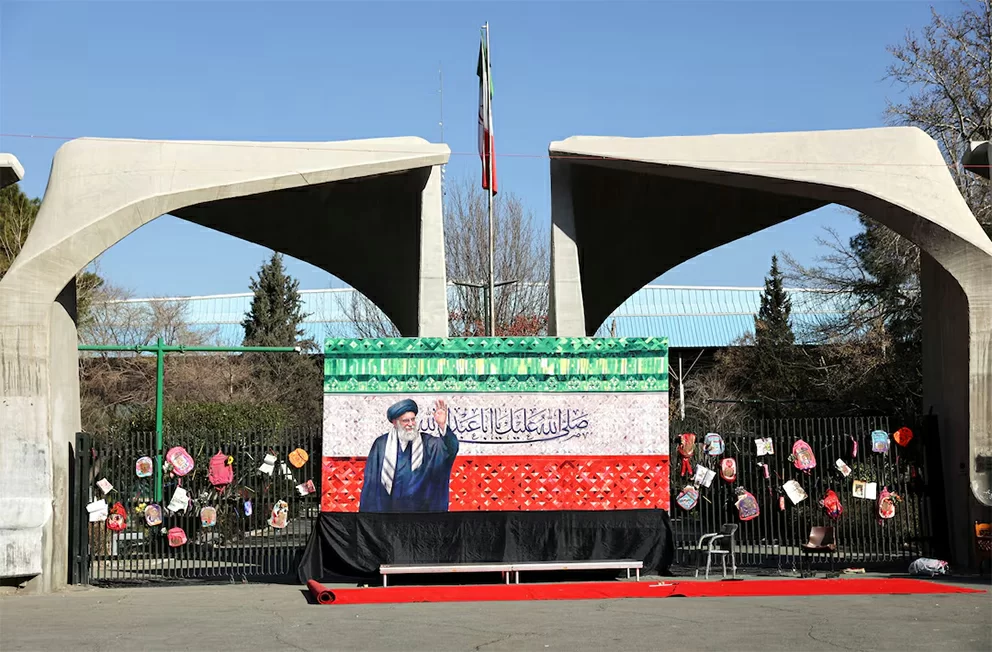
  • Iran begint afscheidsceremonie overleden Opperste leider Khamenei

    Iran begint afscheidsceremonie overleden Opperste leider Khamenei

    Iran has initiated preparations for an elaborate three-day state funeral to honor the late Supreme Leader Ayatollah Ali Khamenei, who was killed during joint Israeli-American airstrikes on Saturday. The solemn ceremonies will commence Wednesday evening at Tehran’s Imam Khomeini Prayer Hall, with public visitation scheduled to begin at 10:00 PM local time.

    Hojjatoleslam Mahmoudi, head of Iran’s Islamic Propaganda Council, officially confirmed the arrangements through state media channels, emphasizing the national significance of the event. The funeral proceedings will feature a ceremonial procession, though specific details regarding the route and participants remain undisclosed. Iranian authorities have issued a nationwide call for mass public participation to demonstrate national unity and respect for the deceased leader.

    Khamenei, aged 86 at the time of his death, maintained an uncompromising stance against Western powers throughout his tenure, particularly targeting the United States and Israel. His sudden demise has created an immediate power vacuum within Iran’s complex political structure, raising urgent questions about succession.

    While no official announcement has been made regarding leadership transition, political circles within Tehran are actively discussing the potential ascension of Khamenei’s son to the position of Supreme Leader. Such a development would establish unprecedented dynastic continuity within Iran’s Islamic Republic framework, potentially preserving existing power structures and ideological orientations.

    The international community remains on high alert as Iran enters this period of political uncertainty. Regional analysts suggest the funeral ceremonies represent not merely a commemorative event but a critical juncture in Iranian history that could significantly influence both domestic governance and foreign policy directions in the coming months.

  • Oorlogsspanningen Midden-Oosten drijven olieprijs omhoog

    Oorlogsspanningen Midden-Oosten drijven olieprijs omhoog

    Escalating geopolitical conflicts in the Middle East have triggered a significant surge in international oil markets, with Brent crude prices climbing to approximately $81 per barrel—the highest level recorded since early 2025. This sharp increase of nearly 5% within days reflects growing market anxiety over potential disruptions to global energy supplies.

    The current price surge stems primarily from heightened tensions involving Iran, Israel, and the United States, raising concerns about the security of oil transportation through the critical Strait of Hormuz. This strategic maritime passage facilitates approximately 20% of global oil trade, making it particularly vulnerable to geopolitical instability.

    Shipping companies have already adopted more cautious approaches to transporting oil through the region following recent conflict escalation. Reduced maritime activity and heightened security concerns regarding oil tankers have created immediate market reactions, demonstrating how quickly energy prices respond to geopolitical developments.

    Energy analysts warn that prolonged conflict duration or actual restrictions on oil transit from the Gulf region could drive prices toward the $100 per barrel threshold. Such development would have cascading effects across global economies through increased transportation costs, higher electricity prices, and ultimately elevated prices for food and consumer goods.

    Nations heavily dependent on fuel imports, including Suriname where consumers will feel direct impact at gasoline pumps, face potentially higher inflation rates and additional economic pressure. The interconnected nature of global energy markets means that regional conflicts quickly translate into worldwide economic consequences.

  • China kiest voor terughoudendheid in Iran-conflict

    China kiest voor terughoudendheid in Iran-conflict

    When the United States and Israel launched military strikes against Iran, China maintained a characteristically cautious diplomatic posture, waiting several hours before issuing its first official response. Beijing expressed “grave concern” over the escalation while calling for an immediate cessation of military operations and a return to diplomatic dialogue.

    The following day, Chinese Foreign Minister Wang Yi condemned the attacks as unacceptable while reiterating China’s commitment to peaceful resolution through negotiation. Notably absent were any indications of direct intervention—an expectation that analysts consider unrealistic given China’s established foreign policy patterns.

    This measured response reflects China’s consistent approach to international conflicts, including previous attacks on Iranian assets. While condemning violence rhetorically, Beijing typically avoids direct involvement, prioritizing its long-term strategic interests. The timing is particularly significant given the anticipated state visit of former U.S. President Donald Trump to Beijing, expected in early April.

    China’s strategic calculus emphasizes regional priorities over global military projection. Despite possessing a rapidly modernizing military and conducting joint exercises with Iran—plus maintaining a military base in Djibouti—China’s defense focus remains concentrated on protecting its immediate interests in Asia, particularly regarding Taiwan and the South China Sea.

    In the Middle East, China selectively engages where economic and diplomatic opportunities arise, as demonstrated by its successful mediation between Iran and Saudi Arabia in 2023. However, China views U.S. military engagements in Afghanistan and Iraq as cautionary tales to be avoided rather than emulated.

    According to Craig Singleton of the Foundation for Defense of Democracies, China’s restrained response highlights the limitations of its global geopolitical influence: “Beijing’s reaction is predictably cautious and underscores China’s limited influence once hard power comes into play. China can express displeasure but cannot actually stop or meaningfully influence U.S. and Israeli military actions.”

    Despite being Iran’s largest oil importer, China’s primary concern remains broader energy security rather than specific bilateral ties. With sufficient oil reserves to bridge four to five months of potential supply disruptions, Chinese refineries have adequate time to seek alternatives, with discounted Russian oil representing the most likely substitute.

    Analysts unanimously dismiss the possibility of China providing military assistance to Iran beyond existing defense agreements, as Beijing seeks to avoid direct confrontation with the United States and its allies. As researcher Muhammad Zulfikar Rakhmat notes, China’s priority remains conflict resolution rather than escalation.