标签: Suriname

苏里南

  • Eerste hoorzitting Latour levert input voor Ressortplan 2027

    Eerste hoorzitting Latour levert input voor Ressortplan 2027

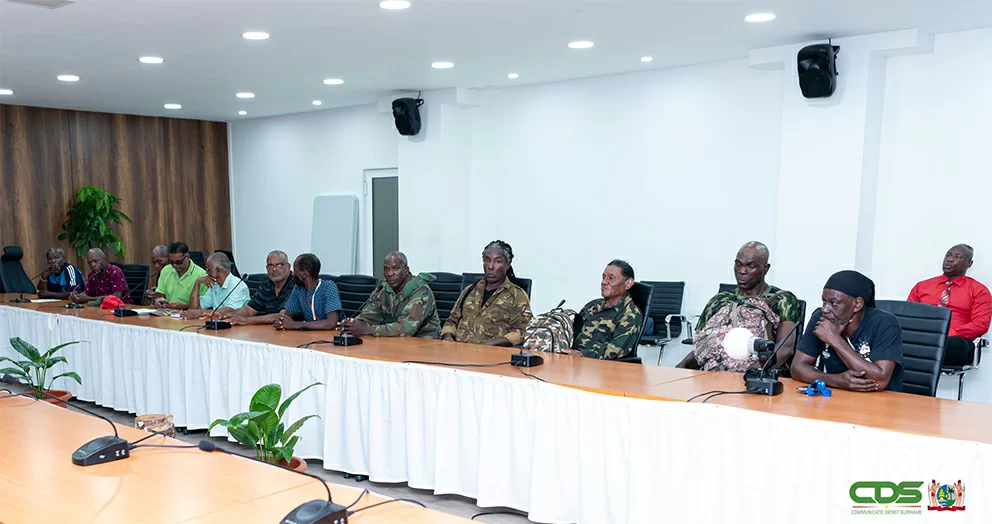
    Paramaribo, Suriname – The Latour ressort within Paramaribo district has initiated its formal planning process for the 2027 development agenda through a groundbreaking community hearing session. Held on Wednesday at the Saamaka Community Association building, this participatory gathering marked the first in a series of consultations designed to incorporate citizen input into the forthcoming Ressortplan 2027.

    The proceedings commenced with a comprehensive review of previously implemented projects within the ressort, followed by detailed presentations from various ministry representatives outlining proposed initiatives and activities for the upcoming policy period.

    Community members actively identified several critical challenges requiring immediate attention in the new development plan. Primary concerns included the deteriorating road infrastructure, absence of systematic roadside maintenance, and persistent environmental pollution issues. Participants particularly emphasized the severe shortage of recreational facilities for youth, which community representatives directly linked to rising instances of negative leisure activities among young residents.

    In a significant procedural development, ressort councils have established a monthly meeting schedule—convening every first Monday—to regularly monitor implementation progress and continuously gather additional community feedback.

    All recommendations and proposals presented during the hearing will be systematically integrated into a draft Ressortplan 2027, scheduled for submission to the district council by late February as part of the comprehensive districtsplan. The finalized district development blueprint will be formally presented to the Minister of Regional Development by end of March.

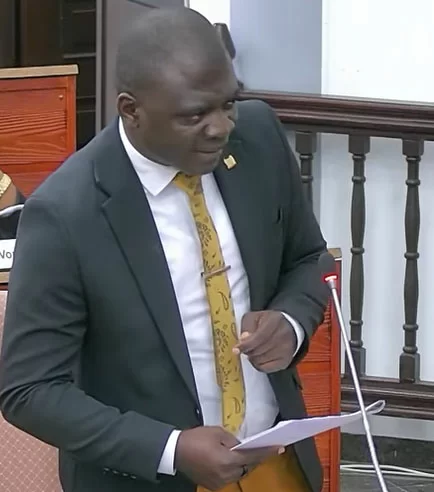
    The landmark session saw participation from Ressortraad members, Health Minister André Misiekaba, National Assembly representatives Edgar Sampie and Tashana Lösche, District Commissioner Wennys Vijfhoven, and numerous community stakeholders.

  • De kleine vervelende vlieg ‘uit Egypte’ bijt weer

    De kleine vervelende vlieg ‘uit Egypte’ bijt weer

    Suriname’s Ministry of Health has activated emergency alerts as chikungunya infections demonstrate a concerning upward trajectory across the nation. Public Works waste management services have intensified efforts to collect bulk refuse from public areas, marking the opening of another seasonal offensive against a persistent adversary: the Aedes aegypti mosquito.

    This insect, whose scientific nomenclature translates to ‘unpleasant from Egypt,’ represents far more than a mere nuisance. While serving as a food source for certain bird and amphibian species, its primary human impact involves transmitting devastating viral diseases including yellow fever, dengue, chikungunya, and Zika. Historical eradication attempts—notably Brazil’s 1958 declaration of being Aedes-free through DDT deployment—ultimately failed due to insecticide resistance, environmental concerns, and cross-border reinfestation.

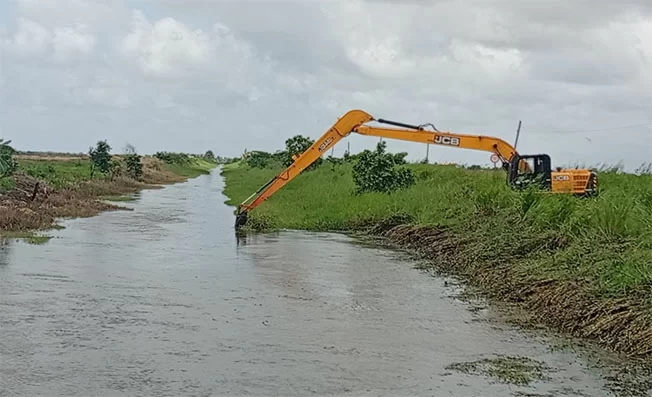
    The female Aedes aegypti requires protein-rich blood meals for egg production, leading to aggressive daytime biting behavior within remarkably limited flight ranges of 50-800 meters. This localized movement pattern means neighborhood sanitation directly determines community vulnerability. Even minor water accumulation in bottle caps or blocked gutters can become breeding grounds, making collective participation in elimination efforts essential.

    Dengue (characterized by high fever and ocular pain), chikungunya (causing severe arthralgia), and Zika (associated with birth defects) share overlapping symptomatology including fever, chills, and profound lethargy. Definitive diagnosis requires blood testing, though treatment primarily involves supportive care with hydration, rest, and analgesics. Hospitalization becomes necessary when warning signs like hemorrhage, persistent vomiting, or neurological complications emerge.

    Ultimately, Aedes-borne diseases thrive through environmental neglect. Structural waste accumulation, stagnant water reservoirs, and inadequate public maintenance create ideal vector habitats. Both governmental action and individual responsibility—particularly in maintaining clean residential perimeters—prove critical in breaking disease transmission cycles. The biting truth remains: mosquito proliferation directly reflects communal sanitation standards.

  • BOG: Aanpak chikungunya staat of valt met inzet burgers

    BOG: Aanpak chikungunya staat of valt met inzet burgers

    Suriname has reported its first confirmed cases of chikungunya virus in nearly ten years, prompting urgent public health measures and calls for coordinated action between government and citizens. The Bureau for Public Health (BOG) confirmed the outbreak in January 2026, with epidemiological evidence suggesting initial infections may have occurred as early as December 2025.

    Acting Head of Environmental Inspection at BOG, Stephanie Cheuk A Lam, revealed that the outbreak follows a predictable pattern, with an expected peak period of three to four months before gradual decline. Given the timeline of initial infections, health authorities anticipate seeing reduced transmission within coming months.

    The resurgence appears to have been imported from outside Suriname before establishing local transmission through Aedes mosquitoes. Confirmed cases are concentrated in Paramaribo’s northern districts, city center, and Kwatta area, with additional infections reported in Wanica, Commewijne, and Marowijne (Moengo).

    In response to the outbreak, multiple BOG departments have mobilized in collaboration with Public Works. Current efforts include removal of bulk waste in high-risk areas, household inspections by environmental officers, larval control operations, and entomological studies on mosquito density.

    Cheuk A Lam emphasized that source reduction remains critical: ‘Spraying alone is insufficient. Eliminating stagnant water around residences is essential. Only through collective effort can we effectively contain chikungunya’s spread.’

    Suriname’s centralized laboratory conducts routine testing for multiple arboviruses including dengue, yellow fever, oropouche, and mayaro, enabling health authorities to confirm no chikungunya infections have been detected in the country over the past decade. Beyond laboratory-confirmed cases, BOG is also monitoring suspected cases and one probable case.

    With no specific medication or vaccine available, treatment focuses solely on symptom management, making prevention and containment the primary defense against further spread.

  • Ernstige vorst bedreigt Oekraïense wintergewassen

    Ernstige vorst bedreigt Oekraïense wintergewassen

    Ukrainian agricultural experts and emergency services are issuing urgent warnings as an unprecedented cold front approaches, threatening to devastate the nation’s vital winter wheat crops. Meteorologists predict temperatures will plummet to -30°C (-22°F) across most regions starting February 1st, with the severe cold expected to persist until at least February 4th.

    The impending deep freeze poses what agricultural analytics firm Barva Invest describes as an “extremely dangerous” scenario for winter crops throughout central, northeastern, and eastern Ukraine. Only southern regions are expected to be spared the worst of the cold, though they face their own challenges due to insufficient snow cover.

    Winter wheat represents approximately 95% of Ukraine’s total wheat production, typically sown in autumn and harvested the following summer. These crops yield significantly more than spring varieties but are particularly vulnerable to extreme temperature drops without adequate snow insulation.

    The current crisis compounds existing agricultural challenges. Earlier in January, temperatures already dropped to -20°C, followed by a brief thaw that saw temperatures rise above freezing this week. This pattern of freeze-thaw-freeze creates additional stress on crops beyond what sustained cold would cause.

    Agricultural analysts note that the combination of persistent severe frost and inadequate snow protection could lead to substantial winterkill damage. The situation is especially critical in areas near conflict zones, where farming operations already face significant disruptions. Ukraine’s emergency services continue to monitor the situation through official Telegram channels, advising farmers to implement whatever protective measures remain possible.

  • Chikungunya-uitbraak: 134 bevestigde besmettingen, één overlijden gemeld

    Chikungunya-uitbraak: 134 bevestigde besmettingen, één overlijden gemeld

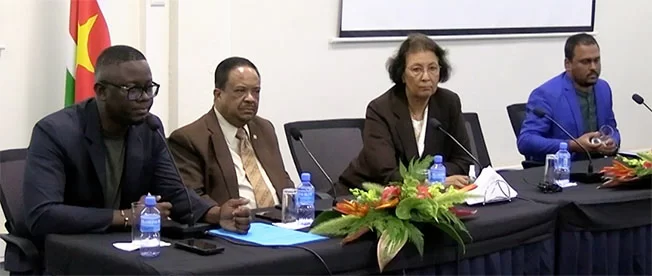
    Suriname’s Health Minister André Misiekaba has delivered an urgent address to the National Assembly regarding the escalating chikungunya outbreak, confirming 134 laboratory-verified infections across a broad demographic spectrum from 11-month-old infants to 85-year-old seniors. The ministry reported one fatality currently under investigation by the Bureau of Public Health (BOG), involving a patient with significant pre-existing medical conditions.

    A multidisciplinary task force led by Maureen van Dijk is coordinating response efforts with support from health ministry experts, BOG, Medical Mission, and Regional Health Service. Dr. Hedwig Goede has been appointed to manage risk communication and community engagement strategies.

    Infection clusters have been identified in three districts: Paramaribo, Commewijne, and most recently Nickerie. Minister Misiekaba highlighted that international health metrics suggest approximately 1,000 unreported infections may exist for each confirmed death, though he clarified this assessment aims to promote vigilance rather than incite panic.

    High-risk populations include elderly citizens, young children, chronically ill individuals (particularly those with diabetes or heart conditions), and late-term pregnant women. Current treatment protocols emphasize acetaminophen for pain and fever management, coupled with rest, proper nutrition, and hydration. Chronically ill patients experiencing persistent symptoms beyond 7-10 days are advised to seek immediate medical attention.

    Government initiatives include targeted elimination of mosquito breeding sites in high-transmission zones, with expansion planned progressively. Collaborative efforts with district commissioners in Nickerie focus on waste collection and public greenery maintenance. Insecticide spraying operations await delivery of necessary supplies, after which aerial and ground deployments will commence.

    All district commissioners have received operational briefings, while PAHO/WHO channels are disseminating clinical guidance to healthcare providers. Minister Misiekaba emphasized collective responsibility: “Government cannot solve this alone. Society must contribute to bringing this outbreak under control” through eliminating stagnant water, covering water containers, using mosquito repellent, wearing protective clothing, and sleeping under nets.

  • Wereldwijde aandelen stijgen, goud bereikt nieuw record

    Wereldwijde aandelen stijgen, goud bereikt nieuw record

    Global financial markets experienced broad-based gains on Thursday, propelled by robust corporate earnings optimism while gold prices shattered records for the ninth consecutive session, breaching the $5,500 per ounce threshold. The simultaneous surge in oil prices, driven by escalating geopolitical tensions between the United States and Iran, further fueled market momentum.

    European equities demonstrated strength with the Euro STOXX 600 index advancing 0.5%, primarily driven by rising oil and precious metal prices. Major European exchanges in the United Kingdom, Spain, and France posted gains, while Germany’s DAX index declined 0.9% following disappointing economic data releases.

    Market participants continue to rely on strong corporate earnings to maintain equity attractiveness amid diminishing expectations for Federal Reserve rate cuts before summer. The Federal Reserve maintained current interest rates during Wednesday’s meeting, emphasizing a “clearly improving” economic outlook. Chairman Jerome Powell remained silent regarding his future as Fed governor following his scheduled departure as chair in May.

    Deutsche Bank analysts suggest the Powell-led Fed may have implemented its final rate cut, with increasing balance between risks regarding additional reductions this year.

    Wall Street’s attention centered on Apple, with JPMorgan anticipating quarterly results exceeding expectations due to strong iPhone 17 demand and moderating cost increases. S&P 500 and Nasdaq futures edged higher despite Microsoft’s disappointing figures, offset by Meta’s upgraded revenue and investment projections for 2026.

    Gold surged 2.2% to approximately $5,594 per ounce, achieving nearly 28% monthly gains. Silver similarly benefited, climbing above $120 per ounce. This precious metal rally contributed to a 3% increase in European basic materials indexes, reaching levels unseen since May 2008.

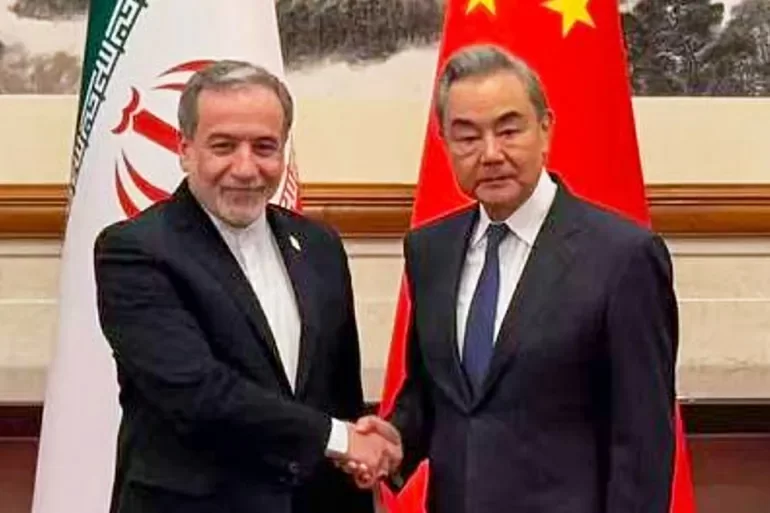
    Oil prices reached four-month highs following President Trump’s warnings to Iran regarding potential attacks absent nuclear agreement progress. Brent crude advanced 2.5% to $70.11 per barrel, while U.S. crude rose 2.6% to $64.83 per barrel.

    Asian markets remained largely stable, with exceptions including South Korea’s 0.6% gain, bringing monthly advances to an impressive 23%. Taiwan’s technology exchange has climbed nearly 13% since January’s commencement.

    Microsoft shares declined 6.5% amid investment profitability concerns, while Meta’s after-hours trading surged 8% following raised 2026 revenue and investment guidance.

    The U.S. dollar faced continued pressure due to policy uncertainty and expanding national debt. The dollar index registered 96.36 against currency baskets, nearing Tuesday’s four-year low of 95.57. Despite U.S. officials advocating for dollar strength, European leaders expressed concern over the decline, with the European Central Bank suggesting a strong euro might justify rate reductions. The euro gained 0.2% to $1.1979, while the dollar weakened against the Swiss franc and Japanese yen.

  • VIDS: erkenning in preambule Grondwet is slechts symbolisch en onvoldoende

    VIDS: erkenning in preambule Grondwet is slechts symbolisch en onvoldoende

    The Association of Indigenous Village Leaders in Suriname (VIDS) has issued a formal response to the proposed constitutional amendment that would recognize Indigenous peoples as the original inhabitants of Suriname in the preamble. While acknowledging this as a preliminary symbolic recognition of their historical presence and contributions, VIDS emphasizes that the amendment fails to establish concrete rights or address the structural legal challenges Indigenous communities have faced for decades.

    In its communication to the National Assembly, VIDS clarifies that constitutional preambles hold explanatory and symbolic significance but do not create enforceable rights. The proposed modification notably excludes recognition of collective rights to land, territory, and natural resources, alongside omitting the right to self-determination and the principle of Free, Prior, and Informed Consent (FPIC).

    The organization expresses profound concern that the initiative was developed without prior consultation or input from Indigenous peoples and their representative bodies. VIDS contends this approach violates international human rights standards that Suriname has committed to uphold, including rulings from the Inter-American Court of Human Rights.

    VIDS stresses that symbolic recognition must not be presented as a substitute for genuine legal security. “Indigenous peoples require not merely symbolic gestures but concrete, time-bound constitutional and legislative reforms that effectively recognize and protect our collective rights,” stated the document signed by Cylene France, Director of the VIDS Office.

    The association urges the National Assembly to view the proposal not as an endpoint but as an extremely limited initial step. VIDS advocates for a structured and inclusive consultation process with Indigenous peoples through their traditional governance structures rather than representatives selected by third parties. Additionally, the organization requests a clear timeline with specific objectives for constitutional and legal recognition of Indigenous rights aligned with international standards and judicial decisions.

    VIDS concludes by warning against presenting symbolic changes as adequate solutions to deeply rooted legal issues while reaffirming its commitment to constructive participation in a transparent and equitable process leading to full recognition of Indigenous rights in Suriname—both in principle and in practical legal application. The parliamentary debate on this initiative is scheduled for today’s legislative agenda.

  • Initiatiefnemers houden vast aan hervorming Openbaar Ministerie en invoering derde rechterlijke instantie

    Initiatiefnemers houden vast aan hervorming Openbaar Ministerie en invoering derde rechterlijke instantie

    Surinamese lawmakers leading a comprehensive judicial reform initiative remain steadfast in their position following recent public discussions and expert lectures on modernizing the nation’s legal system. Parliamentarian Ebu Jones, speaking with Starnieuws, confirmed that the necessity for overhauling the Public Prosecutor’s Office and establishing a third judicial instance remains undiminished despite varied opinions expressed during public debates.

    Jones, alongside five coalition colleagues, submitted four legislative initiatives last month to enact constitutional amendments enabling these transformative changes. The proposed reforms include creating a cassation court as a third judicial tier and restructuring the Public Prosecutor’s Office into a collective leadership model. According to Jones, international comparative studies presented during expert sessions demonstrated that Suriname faces similar institutional challenges as other nations undergoing judicial modernization.

    Regarding the third judicial instance, Jones reported achieving broad consensus about its necessity, though the specific model remains under discussion. Suriname must decide between developing a unique national system or adopting a regional framework such as the Caribbean Court of Justice. The proposed constitutional amendments would strategically preserve both options for future governmental consideration.

    The initiative has garnered unexpected support from within the judicial establishment itself. Jones revealed that the current Attorney General has explicitly acknowledged the imperative for systemic modernization, recognizing that the Public Prosecutor’s Office cannot continue operating under its existing structure. This institutional endorsement aligns perfectly with the reformers’ objective of strengthening the system rather than targeting individual officials.

    The proposed transition to a collective prosecutorial authority—a College of Attorneys-General—faced no fundamental objections during expert examinations. While discussions thoroughly examined both the advantages and challenges of various systems, critics failed to present substantive arguments against the reform’s compatibility with Suriname’s legal framework. Conversely, participants widely agreed that the current system requires substantial renewal.

    Lawmakers vehemently dismissed allegations that the reforms conceal political retaliation or ethnic agendas, characterizing such claims as unfounded and unprofessional. Jones emphasized that the initiative specifically aims to diminish individual influence while enhancing institutional trust through distributed decision-making among multiple qualified officials.

    The constitutional nature of appointing attorneys-general further safeguards against politicization, as the process involves the head of state following strict expertise requirements and judicial advisory input. The parliamentary committee preparing today’s public hearing has maintained the original proposals without modifications, though new insights may be incorporated through amendments during legislative debate.

    Constitutional changes require a two-thirds majority (34 votes), which Jones believes is achievable within the coalition, though parliamentary discussions may evolve unpredictably. Implementation timing remains uncertain, dependent on legislative proceedings intensity within the National Assembly. Following constitutional amendments, supplementary implementation laws must be enacted before reforms take practical effect.

  • Mathoera: Initiatiefwetten ad hoc en lichtvaardig voorbereid

    Mathoera: Initiatiefwetten ad hoc en lichtvaardig voorbereid

    Suriname’s National Assembly convened on Thursday to debate four legislative initiatives, three of which propose significant alterations to the nation’s judicial organization. The proceedings have sparked intense controversy, with opposition parliamentarian Krishna Mathoera (VHP) warning that these measures threaten the fundamental independence of the judiciary.

    Mathoera contends that the proposed reforms appear hastily prepared without demonstrable necessity and lack both substantive justification and broad societal support. She emphasizes that the structure of Suriname’s three governmental branches—judicial, executive, and legislative—represents fundamental constitutional choices ratified by popular referendum in 1987. These institutions, she argues, must maintain independence while providing mutual checks and balances within a democratic framework.

    Among the most contentious proposals is the amendment to the Regulation on the Organization and Composition of the Judiciary (Wet RIS), which would introduce new consultation procedures for judicial appointments. Mathoera questions the proposal’s legal coherence, noting that Article 4 of the existing law addresses different matters entirely and contains no first clause to which additional clauses could logically be appended.

    The initiative to establish a College of Prosecutors General has drawn particular criticism. While President Jennifer Simons has cited prolonged processing of criminal cases as justification, Mathoera argues this structural change would not address core inefficiencies. Instead, she advocates for strengthening existing institutions through improved planning, additional personnel, enhanced investigative capabilities, and digital transformation.

    Mathoera further warns that allowing political channels rather than the Public Prosecutor’s Office to nominate judicial officials creates dangerous potential for partisan appointments. In Suriname’s compact society, she cautions, this could exacerbate political influence, potentially prioritizing party loyalty over professional competence. Multiple prosecutorial authorities might also produce operational delays, unclear directives, reduced cooperation, and diminished authority throughout the judicial system.

    The parliamentarian concludes that structural governmental challenges require foundational strengthening rather than new institutions. She specifically calls for investment in police capabilities, crime prevention, serious case handling, improved investigative work, higher-quality case files, and expanded digital processes—arguing that these measures would more effectively enhance judicial quality and efficiency.

  • Column: Kentering noodzakelijk in beoefening voetbal

    Column: Kentering noodzakelijk in beoefening voetbal

    Suriname’s domestic football landscape remains entrenched in a concerning downward trajectory despite the establishment of the Suriname Major League (SML). Both men’s and women’s competitions continue to demonstrate subpar quality, with no measurable improvement since the league’s professional implementation. The fundamental issue lies in the failure of local clubs to evolve alongside the SML framework, maintaining outdated operational models that hinder progress.

    Regional competitive opportunities have expanded significantly, yet Surinamese clubs risk embarrassment in international matchups without substantial organizational reform. The concept of professional competition serves as a growth vehicle rather than an end goal—a distinction seemingly lost on many clubs content with local mediocrity. The SML’s success ultimately depends on clubs recognizing their need to transform into professionally structured entities capable of matching the league’s developmental vision.

    Stadium attendance cannot remain solely the league’s responsibility. Each club must develop strategic plans to enhance football as a marketable product, establishing professional support structures that extend beyond field performance. Decision-making must transition from single-owner dominance to specialized management teams capable of operating clubs as sustainable businesses. Like any commercial enterprise, football clubs must continuously improve their product to justify consumer investment.

    Elevating Surinamese football requires shared responsibility among all stakeholders. Growth must facilitate full-time professional employment, attract sponsor investment, and ultimately establish organizational and financial independence. The current stagnation demands immediate, transformative action across the entire football ecosystem to preserve the league’s viability and secure its future.