Small enterprises in St. Lucia are confronting an escalating operational crisis characterized by unsustainable overhead costs and unpredictable revenue streams, according to extensive testimonies from local vendors. The fragile island economy presents unique challenges that threaten the survival of passionate entrepreneurs despite apparent market demand.
Commercial rental expenses emerge as the most significant financial burden, typically ranging from two to five times higher than residential rates. Landlords frequently demand substantial upfront payments including two-to-three-month deposits plus first month’s rent. The fixed nature of these payments creates particular hardship during seasonal downturns such as post-Christmas periods or rainy seasons, with tenants possessing minimal protection against sudden rent increases.
Taxation and regulatory compliance present additional layers of financial pressure. Business owners must navigate a complex web of mandatory payments including business registration fees, trade licenses, Inland Revenue filings, Value Added Tax (where applicable), National Insurance contributions, import duties, customs service charges, and environmental levies. These fixed costs persist regardless of profitability, creating particular strain during periods of low income.
Import dependency compounds operational challenges for creative industries and retail sectors. Approximately 98% of materials required by artisans and manufacturers must be imported, subjecting businesses to shipping fees, customs duties, service charges, brokerage fees, port handling costs, and storage charges. In numerous instances, these ancillary fees surpass the actual value of imported goods, forcing vendors to either raise consumer prices or accept diminished profit margins.
The digital marketplace and periodic events have become essential survival mechanisms for many entrepreneurs. Social media platforms enable product promotion and order generation, while organized events by institutions like CDF, Export Saint Lucia, and the Ministry of Commerce provide crucial sales opportunities. This event-driven revenue model creates unpredictable cash flow patterns, with vendors experiencing extended sales droughts followed by intense demand bursts during cultural celebrations like Independence and Jounen Kweyol.
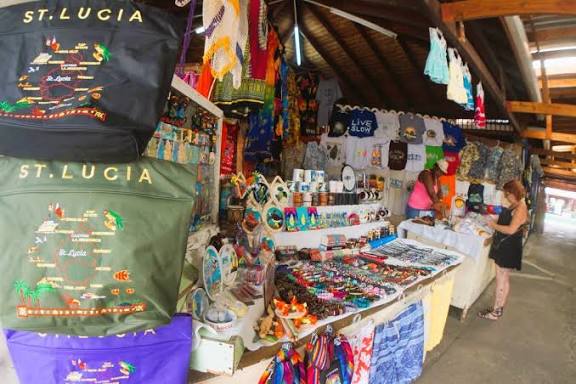
Customer spending patterns reflect broader economic pressures on the island. While consumer intention to support local businesses remains strong, practical purchasing power is constrained by high living costs, rising utility expenses, and stagnant wages. The tourism sector provides some relief through souvenir purchases, with visitors often preferring authentic artisan products over mass-market alternatives.
Beyond financial pressures, business owners face significant personal strain from extended working hours, multifaceted role requirements (including marketing, accounting, and production), and constant pricing justification. Many operators supplement business income with personal savings or secondary employment to maintain operations during cash flow shortages.
The collective testimony reveals an entrepreneurial ecosystem where passion and product quality are insufficient guarantees against structural economic challenges. Vendors have suggested potential mitigation measures including government concessions on imported materials and enhanced support mechanisms to address the fundamental imbalance between fixed costs and variable revenues.