标签: Saint Lucia

圣卢西亚

  • PM: No plans to end CIP

    PM: No plans to end CIP

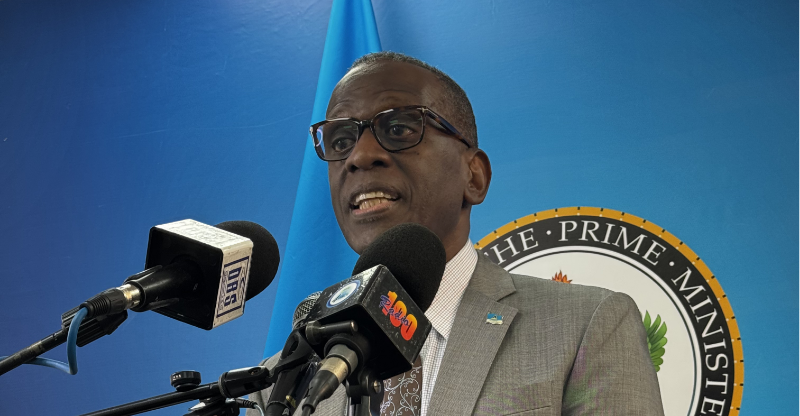
    Saint Lucia’s Prime Minister Philip J. Pierre has firmly declared that his administration will not terminate the nation’s Citizenship by Investment Program (CIP) despite the United Kingdom’s recent revocation of visa-free access for Saint Lucian passport holders. The announcement came during a Monday address responding to Britain’s immigration policy change.

    The UK Home Office’s Explanatory Memorandum to the Statement of Changes in Immigration Rules (HC 1691) categorizes Citizenship by Investment programs as ‘inherently high-risk’ in section 5.24. While acknowledging Saint Lucia’s efforts to mitigate risks over the past year, the document maintains that the UK ‘continues to experience unsustainable risks’ associated with these programs.

    According to the memorandum, the expansion of CIP applications has coincided with increased instances of individuals using Saint Lucian passports to enter Britain illegally, either to seek asylum or work without authorization. However, UK authorities have not provided specific statistical evidence to substantiate these claims.

    Prime Pierre articulated a stance of national sovereignty, emphasizing that just as Britain maintains the right to determine its immigration policies, Saint Lucia equally retains the authority to implement economic development strategies that benefit its citizens. ‘I will tell you that Saint Lucia has no intention of stopping the CIP programme. We will do all we can. I want to be clear. We will do all we can to strengthen the programme,’ the Prime Minister asserted.

    Official correspondence from the British High Commission identified rising asylum claims by Saint Lucian nationals as the primary concern behind the visa policy alteration. Pierre utilized this platform to reiterate his appeal to citizens traveling internationally to strictly adhere to visa conditions and immigration regulations of host countries.

    ‘Do not overstay your time when you get to the U.K. or the U.S. That is the main reason, as written in the letter,’ Pierre cautioned, highlighting that compliance with visa durations represents an area within citizens’ control. This policy shift occurs against the backdrop of Britain’s broader initiative to tighten immigration controls and reduce net migration figures.

  • US airports see long delays due to shutdown-linked staff shortages

    US airports see long delays due to shutdown-linked staff shortages

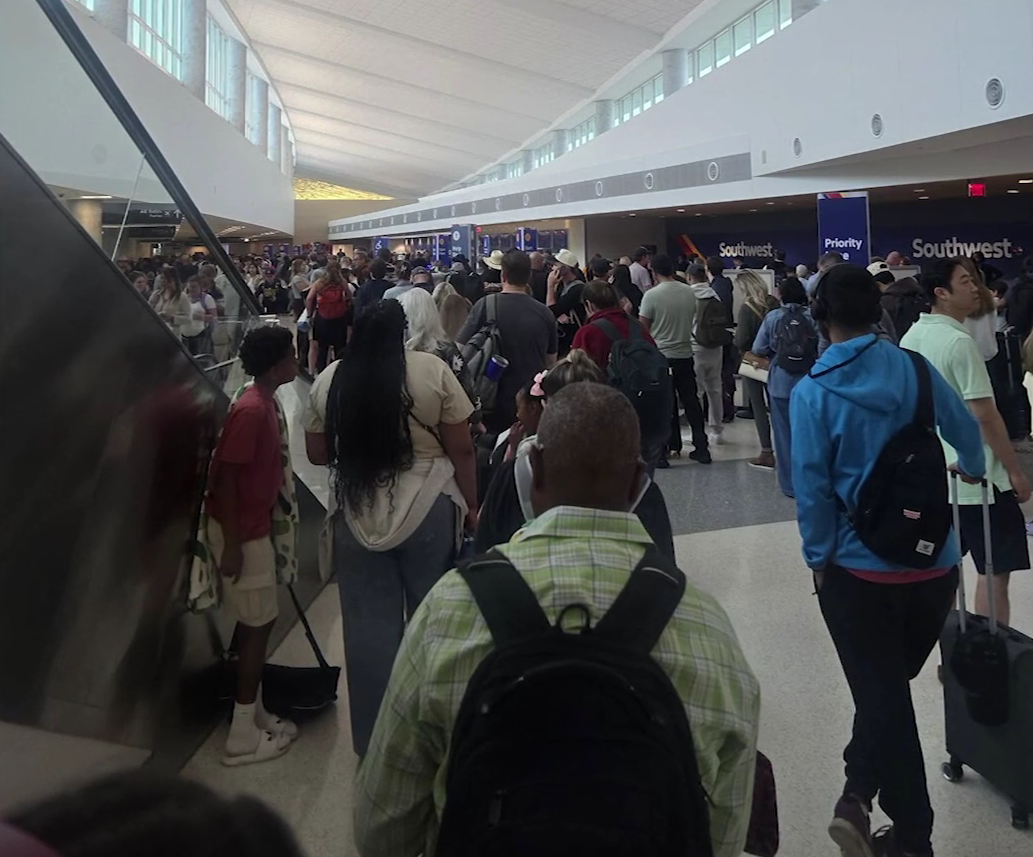
    A critical breakdown in airport security operations unfolded across the United States on Sunday, with security queues exceeding three hours at major hubs as the ongoing partial shutdown of the Department of Homeland Security (DHS) triggered severe staffing shortages. The political impasse over federal immigration reform, which caused DHS funding to lapse in mid-February, has now directly impacted spring break travel, creating unprecedented delays for passengers nationwide.

    Houston’s William P. Hobby Airport experienced some of the most extreme disruptions, with TSA lines stretching beyond three hours and prompting official advisories for travelers to arrive four to five hours before scheduled departures. The airport administration issued a statement acknowledging the volatile situation, noting that ‘security operations may impact from one day – and even one shift to the next’ as federal workers grapple with uncertain pay and working conditions.

    The crisis extended to Louis Armstrong New Orleans International Airport, where security lines overflowed into parking structures, requiring seven circular queues before reaching screening areas. CNN affiliate WWL captured footage of the extensive delays, with passenger Gal Jurick describing the labyrinthine waiting process. Airport authorities confirmed the disruptions stemmed directly from ‘a shortage of workers at the security checkpoint’ caused by the partial federal shutdown.

    Similar scenes emerged at Hartsfield-Jackson Atlanta International, Charlotte Douglas International, and George Bush Intercontinental Airport in Houston, where photographs documented security queues extending beyond terminal buildings onto exterior pavements. The staffing crisis intensified as TSA employees received only partial compensation on February 28 and face their first completely missed paycheck on March 14.

    The political blame game escalated as DHS spokesperson Lauren Bis attributed the ‘chaos’ to Democratic lawmakers ‘holding spring break travel hostage for political points.’ Meanwhile, the department faces leadership transition following President Trump’s dismissal of Secretary Kristi Noem and the nomination of Oklahoma Senator Markwayne Mullin as replacement effective March 31.

  • Windies, stranded in Kolkata, await ICC’s flight fix amid Gulf crisis

    Windies, stranded in Kolkata, await ICC’s flight fix amid Gulf crisis

    The West Indies men’s cricket team finds itself in an unprecedented logistical crisis, stranded in Kolkata for 11 days following their elimination from the ICC Cricket World Cup on February 26th. The team’s extended stay results from rapidly escalating military conflicts in the Gulf region involving the United States, Israel, and Iran, which have triggered severe international airspace restrictions and closed critical transit corridors.

    Despite prior arrangements with tournament organizers, the squad’s scheduled departure via ICC-chartered flight on March 10th has been canceled. The specialized flight was intended to transport both the West Indies and South African teams from India to Johannesburg before continuing to Antigua, where players would disperse to their home destinations.

    The situation has been further complicated by emerging visa complications that have rendered the original evacuation plan unworkable. Cricket authorities are now scrambling to secure commercial flight alternatives amid the ongoing airspace disruptions.

    The extended confinement has taken a significant emotional toll on team members, particularly head coach Daren Sammy of Saint Lucia. The Micoud native expressed his frustration publicly through social media platform X on March 5th, posting simply: ‘I just wanna go home.’ Sammy later indicated the team had received a status update from officials, acknowledging that communication alone provided some relief to the stranded athletes.

    The situation highlights the vulnerability of international sporting events to geopolitical instability and the complex logistical challenges facing global athletic organizations during times of international crisis.

  • Popular businessman attacked in Vieux Fort

    Popular businessman attacked in Vieux Fort

    A prominent Vieux Fort entrepreneur became the victim of a violent armed assault during the early hours of Saturday morning, according to local reports. Junior Clery, the recognized proprietor of the widely-frequented Clery’s Car Wash and Entertainment Yard, was reportedly shot and robbed immediately outside his private residence in the La Ressource area.

    Preliminary accounts indicate that emergency services transported the injured businessman to St. Jude Hospital for urgent medical treatment. Official confirmation regarding his current health status remained unavailable at the time of reporting, with hospital authorities maintaining strict confidentiality around patient information.

    The criminal incident occurred mere hours after Clery had hosted one of his regularly scheduled entertainment events at his commercial establishment. The venue has established itself as a major social hub within the Vieux Fort community, consistently drawing substantial crowds and generating significant economic activity for the region.

    Law enforcement agencies have launched a comprehensive investigation into the circumstances surrounding the attack. Police officials remain tight-lipped about potential motives or suspects, citing the ongoing nature of their investigative proceedings. The absence of confirmed details has sparked considerable concern among local business owners and residents regarding community safety measures.

    This violent episode has sent shockwaves through the southern Saint Lucian business community, raising questions about security protocols for entrepreneurs operating evening entertainment venues. The attack on such a visible community figure has prompted calls for enhanced police patrols and security coordination following large-scale public gatherings.

  • SLFS: Hazardous materials, restricted access, complicated Computer World fire

    SLFS: Hazardous materials, restricted access, complicated Computer World fire

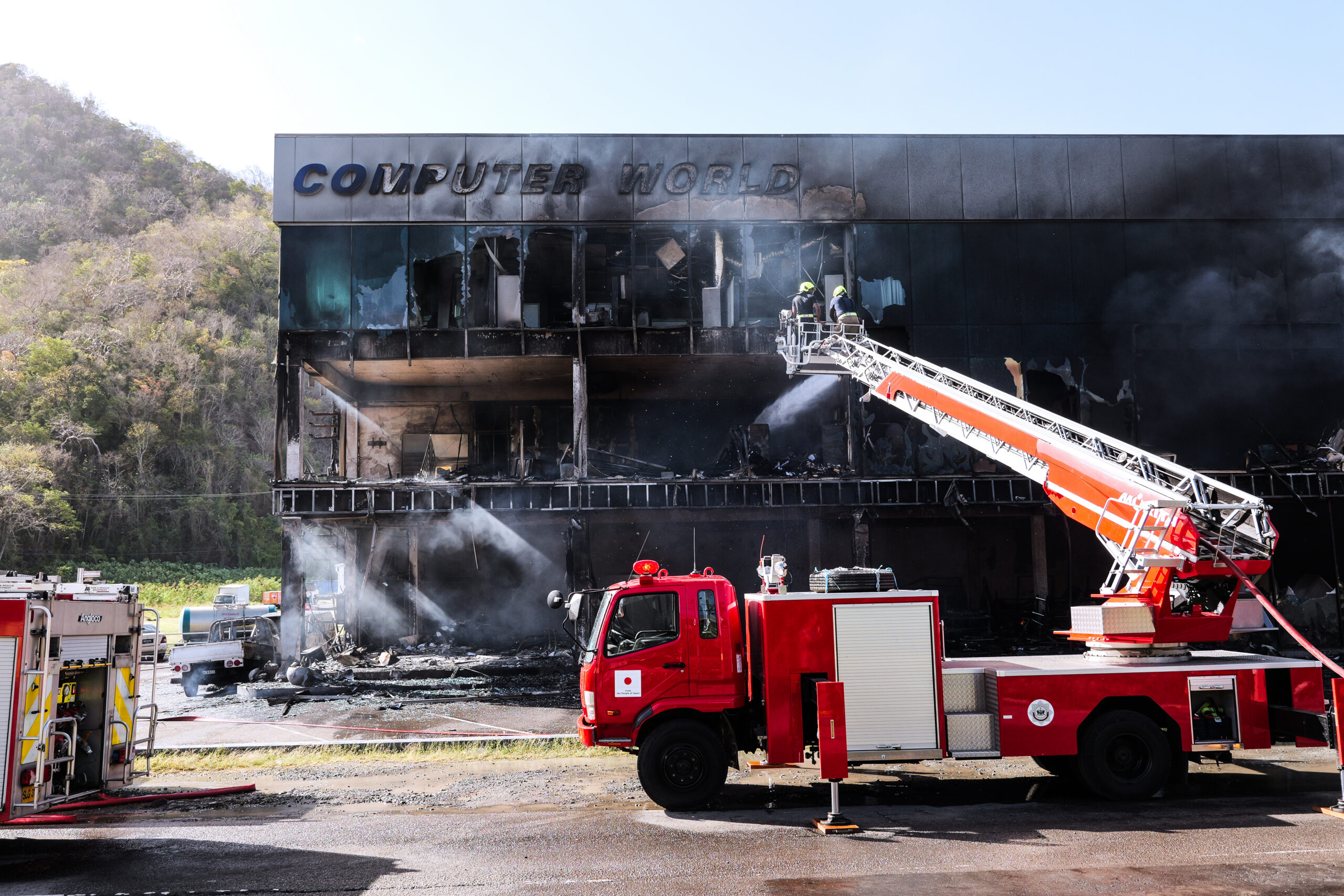
    Firefighters in Saint Lucia confronted significant operational challenges while combating a major fire that completely destroyed the Orange Park Commercial Centre in Bois d’Orange on Friday night. The Saint Lucia Fire Service (SLFS) reported that the blaze, which erupted at approximately 8:54 p.m. on March 6, required an extensive multi-unit response from stations across Gros Islet, Babonneau, George Charles, and Fire Service Headquarters.

    The firefighting operation faced substantial complications due to restricted building access and the presence of dangerous materials within the structure, notably chemical storage containers and energy storage equipment containing batteries. According to official statements, the rapid fire progression necessitated a multi-point attack strategy to contain the spreading flames.

    The entire commercial building, known for housing Computer World and other businesses, sustained extensive damage in the incident. Although authorities declared the fire contained by Saturday morning, crews remained on site addressing persistent reignition spots until the structure could fully cool.

    While the exact cause remains under investigation, fire officials issued a specific warning regarding lithium-ion battery technologies, noting their potential for continuous reignition and limited responsiveness to conventional extinguishing agents. The SLFS emphasized the importance of public awareness regarding the risks associated with these modern technologies.

    The fire service extended gratitude to the Water and Sewerage Company (WASCO), utility provider LUCELEC, and cooperative members of the public for their assistance during the emergency response operation.

  • They came for us and no one is speaking for us

    They came for us and no one is speaking for us

    A profound human rights crisis is unfolding in the Caribbean Sea as the United States continues its campaign of extrajudicial executions under the guise of combating drug trafficking. Drawing direct parallels to Martin Niemöller’s famous lament about Nazi-era complacency, Caribbean intellectuals and citizens are now confronting their own leadership’s silence in the face of American military operations that violate international law.

    The operations, characterized by drone strikes on suspected drug smuggling vessels, occur without due process, evidence preservation, or consultation with regional authorities. These actions represent flagrant violations of multiple international conventions, including the UN Convention against Illicit Traffic in Narcotic Drugs, which explicitly requires proper boarding procedures and evidence collection rather than summary executions.

    Evidence suggests these operations may serve geopolitical objectives beyond drug interdiction. Academic research indicates 84% of cocaine seized in the US originates from Colombia, not Venezuela, raising questions about the true motivation behind targeting Venezuelan-linked vessels. Dr. Emmanuel Quashie and other analysts argue this constitutes a deliberate strategy to destabilize the Maduro regime and control Venezuela’s vast oil reserves, the largest in the world.

    The Caribbean response has been hampered by economic fragility and historical power imbalances. Regional leaders often hide behind diplomatic niceties and plausible deniability, fearing economic fallout from confronting Washington. This complicity mirrors the very behavior Niemöller condemned in his famous poem about the Holocaust, where silence in the face of injustice ultimately enabled greater atrocities.

    Legal experts emphasize that even confirmed drug traffickers deserve proper judicial processes. The US approach of maritime executions contradicts its own domestic legal standards and international human rights obligations. The destruction of alleged evidence in drone strikes further undermines any claim to legitimate law enforcement.

    The solution, regional advocates argue, lies in strengthened Caribbean cooperation through organizations like CELAC (Community of Latin American and Caribbean States) and the Regional Security System. This would include developing local capacity for interdiction operations, establishing proper safeguards, and pursuing diplomatic channels to end the illegal executions. The Caribbean must reaffirm its status as a zone of peace while addressing legitimate security concerns through lawful means that respect human dignity and international standards.

  • Breast milk is the best food for babies, but at what cost? From the point of view of a lactation specialist.

    Breast milk is the best food for babies, but at what cost? From the point of view of a lactation specialist.

    A critical examination of breastfeeding support systems reveals profound systemic failures that undermine maternal and infant health outcomes. Despite widespread promotion of ‘breast is best’ messaging, new mothers face substantial obstacles from the immediate postpartum period through their return to work.

    The challenges begin at birth, where inadequate professional support often leaves mothers struggling with fundamental issues like latching difficulties and feeding pain. Healthcare providers frequently offer dismissive platitudes rather than substantive assistance, with comments like ‘the pain is normal’ or ‘the latch looks fine’ replacing proper clinical assessments. This institutional failure stems from insufficient lactation education among medical professionals and the perpetuation of outdated practices.

    While initiatives like the Baby Friendly Hospital Training represent progress, they provide only basic support and fail to address complex breastfeeding cases. True breastfeeding success requires comprehensive, evidence-based approaches that consider the full spectrum of maternal concerns rather than superficial visual assessments of latch quality.

    The structural barriers extend beyond clinical settings. Insufficient maternity leave policies—often limited to 6-12 weeks—and workplace inflexibility regarding pumping schedules create insurmountable obstacles for continuing breastfeeding. Many mothers consequently feel compelled to transition to formula feeding not by choice, but due to systemic neglect.

    Addressing this crisis requires multifaceted solutions: implementing evidence-based lactation protocols, ensuring ongoing professional education, establishing breastfeeding-friendly workplace policies, and extending paid maternity leave. As emphasized by the 2026 World Breastfeeding Week theme, strengthening what works means committing to genuine support systems that prioritize maternal-child health through concrete actions rather than empty slogans.

    Transforming breastfeeding outcomes demands collaboration across healthcare systems, policymakers, employers, and lactation specialists to create environments where mothers receive the substantive support they need to succeed.

  • Donation brings life-saving equipment to Saint Lucia’s Special Care Baby Unit

    Donation brings life-saving equipment to Saint Lucia’s Special Care Baby Unit

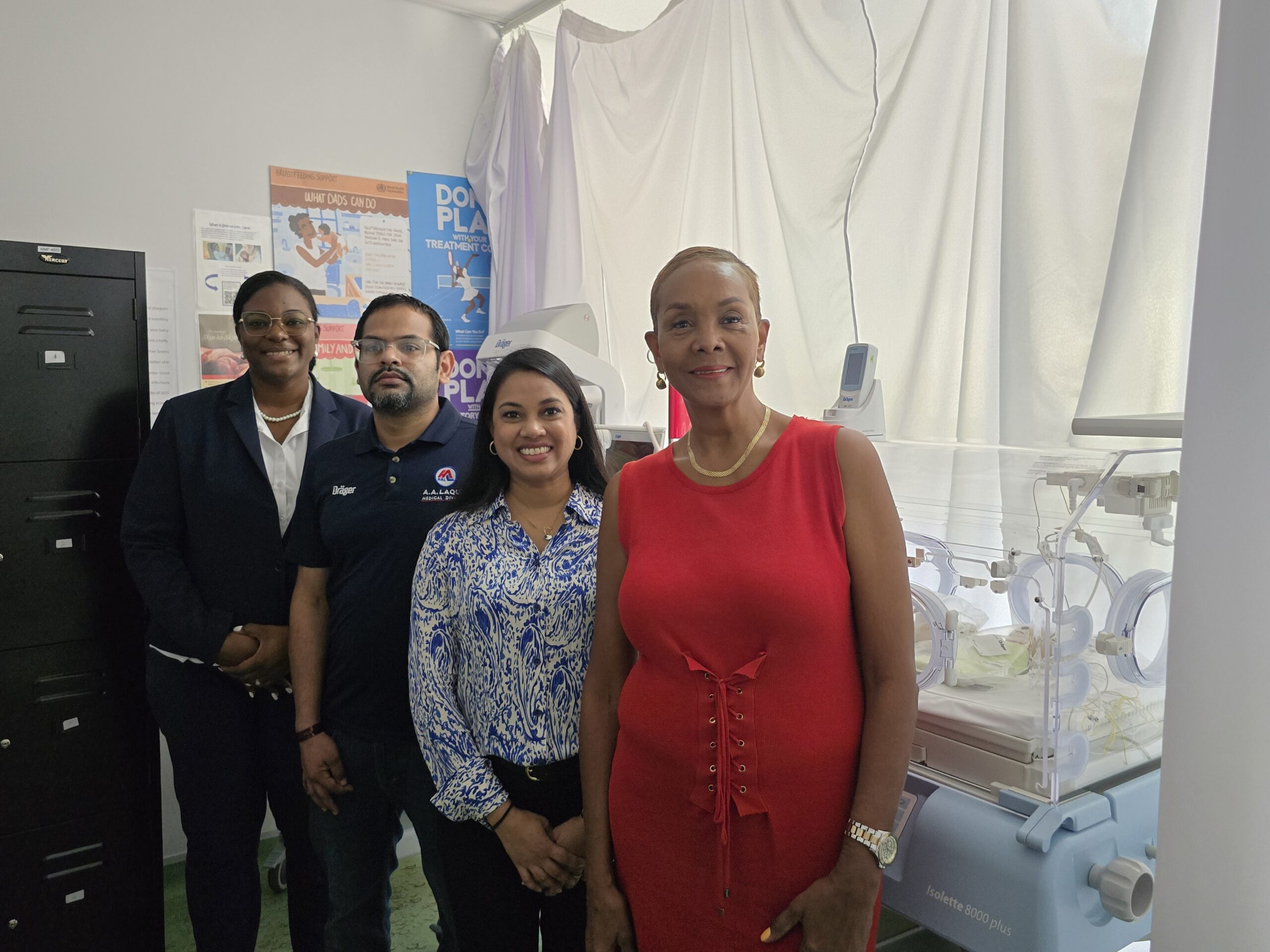
    The Special Care Baby Unit at Millennium Heights Medical Complex (MHMC) in Saint Lucia has achieved a significant advancement in neonatal capabilities following a substantial equipment donation facilitated by the Sandals Foundation. The initiative, funded through the Sandals’ Island Challenge fundraising event, successfully raised over EC$471,000 (£130,000), surpassing its initial EC$362,000 (£100,000) target.

    Dr. Lashorn Christian, Paediatric Consultant and Head of the Paediatric Department at MHMC, described the donation as transformative for newborn care. “This represents a dream realized,” Dr. Christian stated during Friday’s equipment handover ceremony. “I’m acutely aware of the challenges we face daily while caring for our most vulnerable patients, particularly newborns. This support is vital for our healthcare system.”

    The comprehensive donation includes five critical medical devices specifically designed to enhance neonatal care outcomes. The most crucial addition is a mechanical ventilator that provides essential life support for critically ill infants. Dr. Christian emphasized its importance, noting that “during peak periods between November and December, we sometimes encounter more babies needing intervention than available machines. This ventilator will sustain at least one additional infant requiring vital support.”

    Additional equipment includes an advanced incubator for premature neonates, enabling temperature regulation while administering oxygen and other treatments without removing infants from the controlled environment. The donation also brings a transcutaneous bilirubin (TCB) machine for early jaundice detection, significantly reducing brain damage risks through accelerated intervention.

    Notably, a bilirubin blanket will revolutionize the patient experience by allowing mothers to breastfeed and maintain physical contact with their newborns during phototherapy treatment—previously impossible when infants were confined to cots. The final component, a neonatal warmer, provides improved access to critically ill babies receiving intensive care.

    Masana Morison-Nicholas, Public Relations Manager at Sandals Halcyon, attributed the project’s success to strategic collaboration. Early discussions with Dr. Christian about her personal mission to advance neonatal care in Saint Lucia established the foundation for partnership. Simultaneously, Sandals’ corporate leadership expressed interest in expanding the Island Challenge event to Saint Lucia following successful implementations in Antigua and Barbuda and Saint Vincent and the Grenadines.

    The four-day endurance fundraiser in October brought together athletes from the United Kingdom and Saint Lucia for demanding activities including Gros Piton hiking, cross-country trekking, inter-resort running, and kayaking. The Sandals Foundation partnered with A.A. Laquis in Trinidad to procure the medical equipment using funds raised through event sponsors, with additional support from Unique Vacations UK Ltd., Island Routes, Sandals Resorts Saint Lucia, and the Saint Lucia Tourism Authority.

  • ‘Knockay’ Joseph reflects on hard lessons, new hope for athletes

    ‘Knockay’ Joseph reflects on hard lessons, new hope for athletes

    Saint Lucia’s athletic landscape has undergone a remarkable transformation in recent decades, propelled by enhanced funding, superior infrastructure, and advanced technical support. This evolution has catapulted local talents like Julien Alfred, Ackeem Auguste, Daren Sammy, and Vino Barclett into the international spotlight, marking a new era for Caribbean sports.

    The stark contrast between past and present sporting conditions is vividly embodied by Zepherinus ‘Knockay’ Joseph, Mon Repos native and national long-distance running legend. Joseph, who represented Saint Lucia at the 2004 Athens Olympics and still holds multiple national records from 1500m to marathon, faced significant financial hurdles during his peak competitive years. Beyond his athletic achievements, Joseph has dedicated years of service as a police officer.

    In an exclusive revelation, Joseph detailed how systemic obstacles hampered his career progression. Following his Olympic participation, his application for an Olympic Solidarity scholarship was allegedly never submitted by the National Olympic Committee. The then-General Secretary reportedly confronted him about inquiries made directly to Olympic Solidarity regarding scholarship criteria—a move Joseph perceived as discouraging rather than supportive.

    When contacted by St. Lucia Times regarding historical scholarship procedures, SLOC President Alfred Emmanuel declined to address past events, emphasizing his focus on present-day operations: ‘We are in 2026 and my focus is dealing with the present.’

    Despite these historical challenges, Joseph acknowledges substantial improvements in Saint Lucia’s sports development framework. Current athletes benefit from increased opportunities, including international scholarships to institutions in Jamaica—an unthinkable scenario during Joseph’s competitive era. However, he notes a paradoxical decline in athlete participation despite these enhanced resources.

    Looking forward, Joseph remains optimistic about Saint Lucia’s athletic potential but emphasizes the need for proper technical support systems. ‘I envision a few more world titles coming our way,’ he stated, while cautioning that success requires creating the right environment for athletes. Although willing to mentor future generations, Joseph recognizes that formal coaching requires specialized expertise.

    His advice to aspiring athletes emphasizes consistency in training, openness to instruction, and maintaining humility despite local successes: ‘Never allow the little victories we have on home soil to get to their heads.’

  • Tourism sector, government outline steps to address water shortage

    Tourism sector, government outline steps to address water shortage

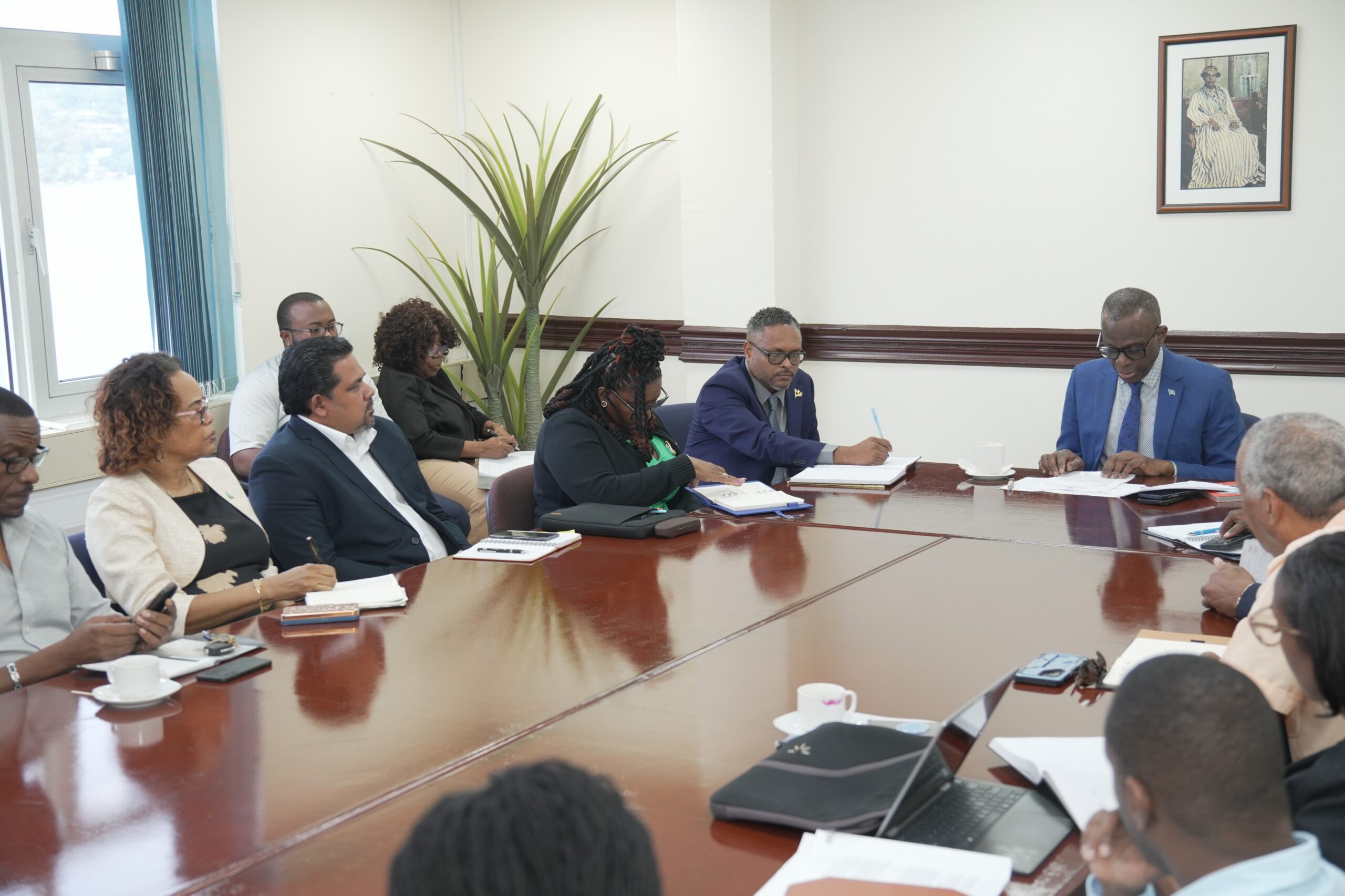
    Saint Lucia’s government and tourism industry leaders have initiated a coordinated response to the nation’s escalating water crisis through a high-level strategic meeting convened by Prime Minister Philip J. Pierre on March 4th. The urgent gathering brought together key ministers, water utility executives, and private sector representatives to develop immediate solutions for the island’s aging water infrastructure system.

    Prime Minister Pierre chaired the discussions that included Minister for Physical Development and Public Utilities Keithson Hermine Charles, Economic Development Minister Wayne D. Girard, and Tourism Ministry representative John Paul Estephane. The meeting also featured participation from Water and Sewerage Company (WASCO) leadership including Chairman Trevor Louisy and CEO Zilta George-Leslie, alongside permanent secretaries and Saint Lucia Hospitality and Tourism Association (SLHTA) delegates.

    According to official communications from SLHTA, the Prime Minister acknowledged the critical state of Saint Lucia’s water distribution network and emphasized the necessity for practical short-term interventions. The dialogue resulted in clear identification of investment priorities and collaborative opportunities between public agencies and private enterprises.

    Tourism sector representatives are now preparing to present a comprehensive action plan with proposed solutions within days. A follow-up working session scheduled for March 6th will focus on developing implementation timelines and securing financial resources for priority initiatives. These emergency measures include rehabilitation of the northern water pipeline, emergency water barging operations, incentive frameworks for commercial and domestic water harvesting, and formalized engagement strategies with water transportation services.

    SLHTA CEO Noorani M. Azeez stated: “We recognize the severe impact of water supply disruptions on tourism operations and our employees’ household needs. The Prime Minister’s commitment to practical stabilization measures provides encouragement amidst these challenges.” Azeez further highlighted that climate change has intensified dry-season vulnerabilities, making sustainable adaptation strategies including water harvesting, efficiency improvements, and resilience planning essential for the tourism-dependent island nation.