标签: Saint Lucia

圣卢西亚

  • Table tennis preps for CAC Games with National League

    Table tennis preps for CAC Games with National League

    As the 2026 Central American and Caribbean (CAC) Games draw near, Saint Lucia’s national table tennis squad has wrapped up a months-long preparation campaign anchored by two high-stakes domestic competitions: the National Premier League and the National Championships.

    Running from February through July 2026, the National Premier League brought seven teams together for intense, consistent play, and included every athlete selected to represent Saint Lucia at the August 1–8 CAC Games in Santo Domingo, Dominican Republic. The men’s roster for the regional event features DeAndre Calderon, Manie Eleuthere and Leshon Francis, while Shatal Charles, Zarianne Anthony and Cherese Darcheville will compete in women’s events – all three of whom led the Blazers to the title of the league’s most competitive women’s side.

    In the men’s playoff bracket, Rising Stars turned in an undefeated postseason run to claim the national crown, a result head coach Chris Wells credits heavily to the late addition of DeAndre Calderon to the squad. Led by Calderon and key contributor Khamari Harris, Rising Stars swept defending champions Eagles 3-0 in the championship match. The undefeated run included dominant wins over Tigers, Challengers and Warriors en route to the title, with the roster also featuring coach Wells and teenage talent Daniella Symphorien. Eagles, who entered the final as the regular season’s most consistent side after posting four straight 5-0 wins against Challengers, Blazers, Tigers and Lucian Strikers, counted CAC-bound athletes Eleuthere and Francis alongside Leonardo Bovell on their roster.

    Following the domestic events, individual honors went to Calderon as the top male performer, while Charles took home the title of best female singles player, solidifying her standing among Saint Lucia’s top table tennis talent.

    Beyond the domestic titles, Wells emphasized that the two competitions serve as an invaluable preparation step for the upcoming CAC Games. The extended five-month league schedule gave athletes repeated opportunities to test the technical and tactical skills they refined in training against a diverse range of opponents and match scenarios, helping build critical decision-making abilities, match management skills and mental resilience under pressure.

    For the coaching staff, the league also provided a unique opportunity to track performance patterns over time, spot persistent weaknesses, and adjust training plans ahead of the regional qualifier and main CAC Games event.

    The National Championships, which hosted women’s team, women’s doubles, mixed doubles, men’s doubles and men’s and women’s singles events, further elevated preparation by creating a high-pressure tournament environment matching what athletes will face in Santo Domingo. The event also acted as a final assessment tool for the technical staff to evaluate athlete form, physical readiness and ability to execute game plans against the nation’s toughest competition.

    With preparations complete, Wells says the program’s core goal has been to get athletes peaking at the right time for the CAC Games. He expects his squad to compete fearlessly, leave everything on the table, and put into practice all the skills and experience gained from the domestic season. While each athlete enters the regional competition with their own individual targets, Wells will be watching closely to see how competitors execute their tactical game plans, maintain mental focus and lean into their well-honed physical abilities in Santo Domingo.

  • Greaves, Seales bowl Windies to 90-run win in first Test

    Greaves, Seales bowl Windies to 90-run win in first Test

    International cricket delivered a gripping opening chapter of a two-match Test series in Trinidad and Tobago this week, as the West Indies men’s side claimed a memorable four-day victory over Pakistan at the Brian Lara Cricket Academy to take an early 1-0 series advantage. The landmark win carried extra emotional weight for the home side, coming on what would have been the 88th birthday of legendary West Indies cricketer Sir Garfield Sobers, just one day before the cricket icon’s state funeral.

    From the first ball, the match ebbed and flowed with both sides trading periods of dominance on a tricky pitch that challenged batters and rewarded disciplined bowling. The West Indies got off to a solid start in their first innings, thanks to a critical 91-run partnership between captain Shai Hope and all-rounder Kavem Hodge that lifted the hosts to a total of 311. Hodge anchored the innings with a polished 84, while Hope fell just eight runs short of a century with 92. Fast bowler Shamar Joseph added explosive late-order hitting, smashing 23 runs off only 13 deliveries to push the total past 300.

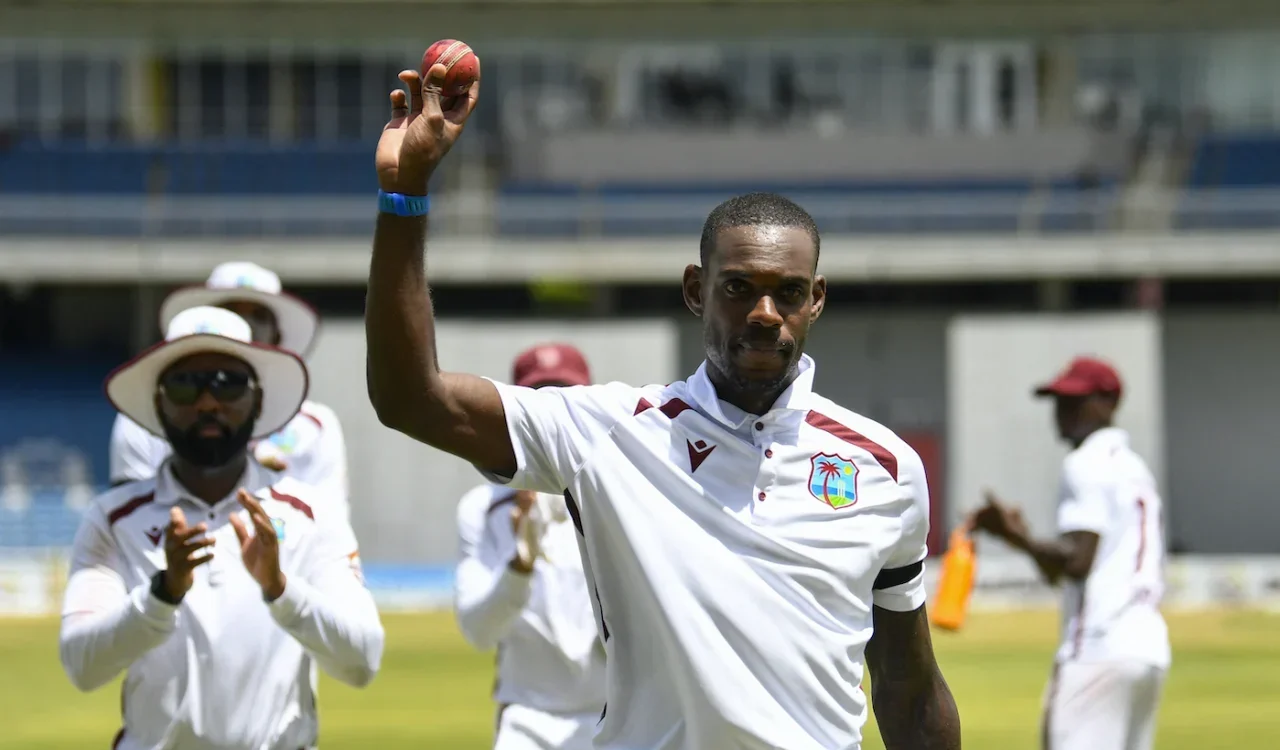
    Pakistan responded with a fast start to their first innings, with openers Shan Masood and Imam-ul-Haq hitting boundaries in quick succession to put the West Indies attack under pressure. Masood went on to score the match’s only century, finishing with 109, while Imam contributed 63, but the home bowlers dug in to restrict Pakistan’s total and secure a narrow 29-run first-innings lead. The standout performance of the innings came from seamer Justin Greaves, who not only claimed his first career five-wicket haul with figures of 5 for 27, but made cricket history by taking five wickets in five consecutive wicket maidens — the first player ever to achieve the feat at international Test level.

    The West Indies stumbled in their second innings, being bowled out for 181, with Pakistan’s Mohammad Abbas claiming his own five-wicket haul, finishing with 5 for 22. Once again, Joseph provided a vital late cameo, hitting 36 quick runs to push the West Indies’ combined lead past 200, setting Pakistan a manageable target that would require a strong batting performance to chase.

    When Pakistan took to the pitch for their final innings, the West Indies pace attack stepped up once again to seal the win. Spearheaded by Jayden Seales, who took five wickets, the home seamers bowled Pakistan out for just 120, securing the win by a comfortable margin. A remarkable statistical footnote of the match saw all 40 wickets fall to pace bowlers, a rare occurrence in modern Test cricket that highlighted the quality of the fast bowling on display from both sides.

    With the series already in their grasp, the West Indies will now turn their focus to securing a series sweep when the second Test gets underway on August 2. A win would give the Caribbean side consecutive Test series victories, capping a successful run of form for the rebuilding side.

  • Urs 8th at CAC Golf

    Urs 8th at CAC Golf

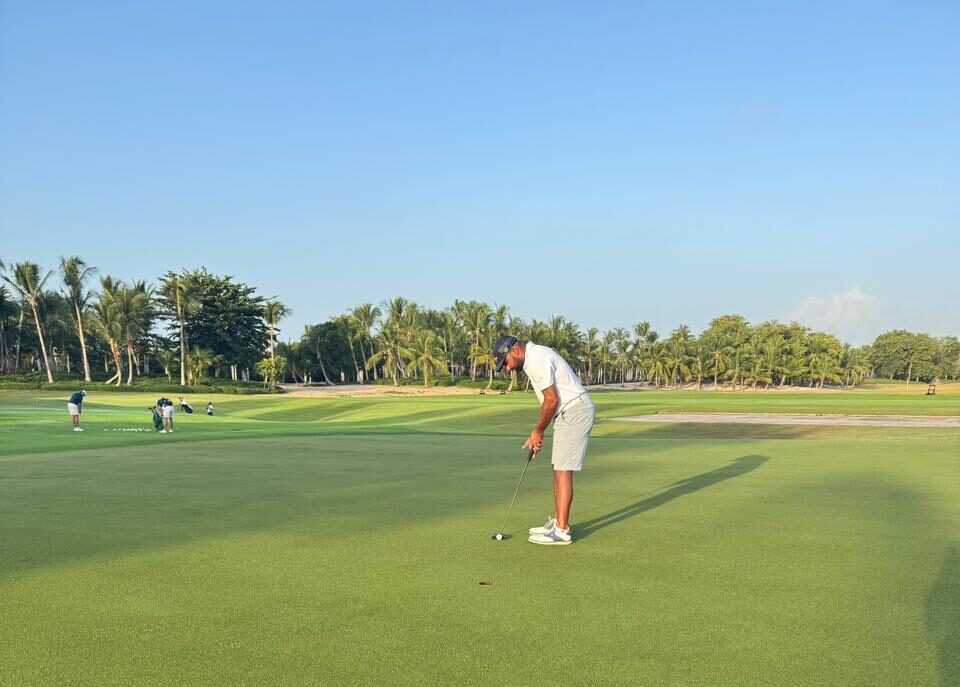
    Fresh off turning professional and earning a prestigious collegiate golf honor, 23-year-old Saint Lucian golfer Yadhu Urs has turned heads at the 2026 Central American and Caribbean Games, securing an eighth-place finish in the men’s individual competition that marks one of the strongest results by an English-speaking Caribbean competitor at the event. Held at the scenic Corales Golf Course in Punta Cana, Dominican Republic, the four-day tournament brought together top amateur and professional golf talent from 14 nations across the Central American and Caribbean region, creating a high-stakes test of skill and mental resilience for all participants. Urs ultimately carded a four-round total score of 294 (+6), ending the competition in a three-way tie for eighth alongside Costa Rica’s Elias Alejandro Mardeni and Jeronimo Esteve of Puerto Rico. Among all Caribbean-born golfers competing in the tournament, Urs ranked as the second-highest finisher from an English-speaking Caribbean nation, outperforming a stacked field of regional rivals to claim the impressive top-10 result. Tournament champion José Manuel Toledo Novales of Guatemala finished with a 17-under-par total, 13 strokes ahead of Urs, while bronze medalist Guillermo Pumarol of the Dominican Republic and shared fifth-place finisher Juan Jose Guerra, also from the Dominican Republic, finished ahead of Urs in the overall standings. A graduate of Ohio Dominican University and the reigning 2024-2025 Great Midwest Athletic Conference (G-MAC) Men’s Golfer of the Year, Urs showed steady improvement throughout the tournament that highlights his growing maturity as a professional competitor. After a challenging opening round that saw him card a four-over-par 76, Urs steadily lowered his scores with each subsequent round, finding his competitive rhythm in the tournament’s second half. He followed his opening round with a two-over 74 in round two, then closed out the competition with back-to-back even-par 72s in the third and fourth rounds, a consistent performance that lifted him up the leaderboard. Golf Saint Lucia Inc. has officially congratulated Urs on his standout performance at the multi-sport games, noting that the top-10 finish against elite regional competition marks a major milestone in his early professional career. Urs only turned professional earlier this year, and has already begun competing on the European professional circuit, with the Central American and Caribbean Games marking one of his first major multi-national professional events. Analysts of regional golf note that Urs’ result signals his rising potential as one of the next standout talents from the Caribbean, with his steady improvement over the four rounds demonstrating the consistency and mental toughness required to compete at the highest levels of professional golf.

  • Edward secures the draw against Dominica

    Edward secures the draw against Dominica

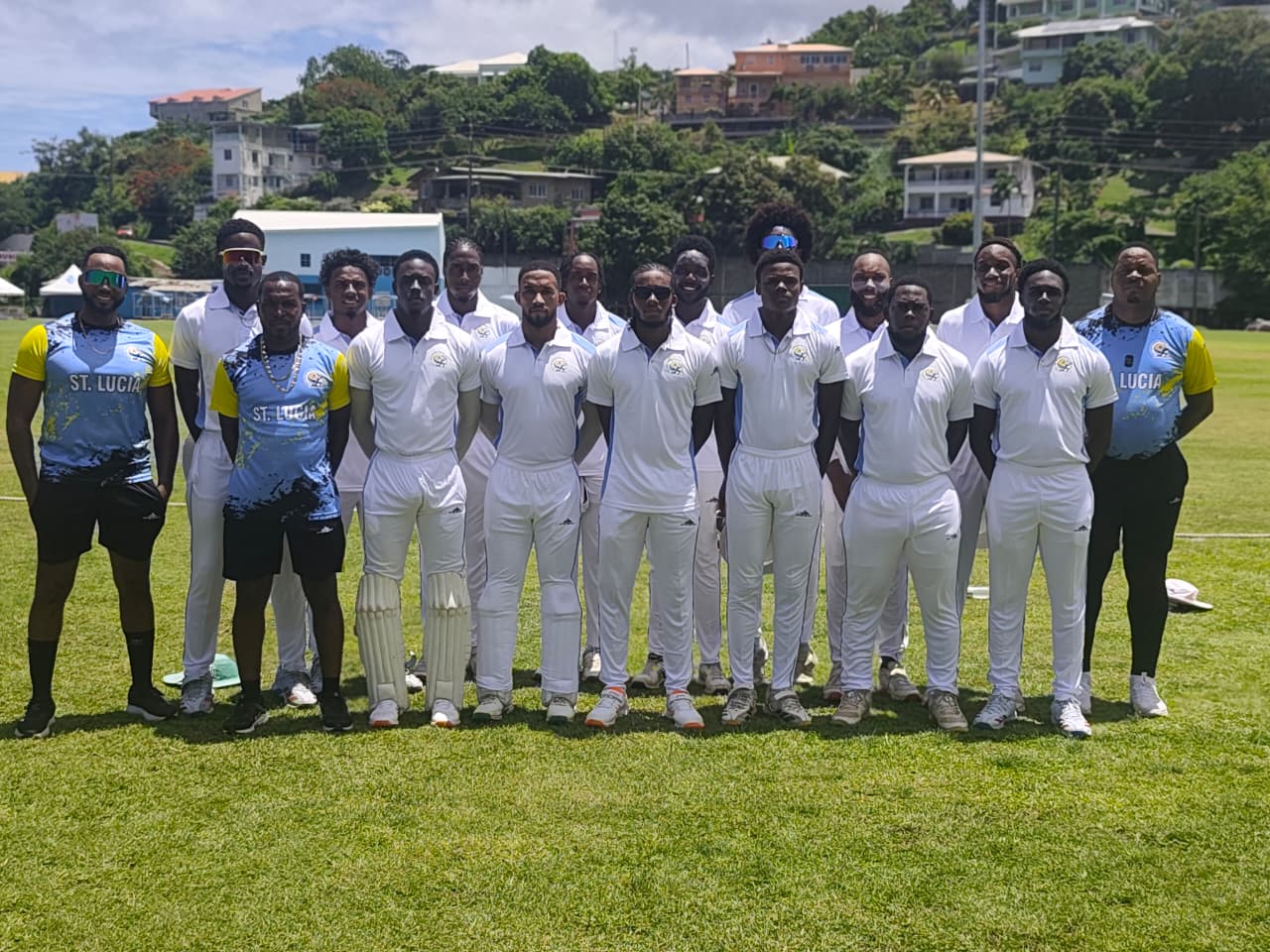
    On Tuesday at Grenada’s Tanteen Recreation Ground, a dramatic second-innings turnaround led by 19-year-old opening batsman and Windward Islands Under-19 captain Theo Edward secured a hard-earned draw for Saint Lucia against the Commonwealth of Dominica in the Windward Islands 3-Day Men’s Championship.

    Edward’s breathtaking knock of 118 runs off just 126 deliveries, decorated with 16 fours and four towering sixes, was the only century of the entire match, cementing his status as the standout performer of the contest. While he received critical support from teammates Stephen Naitram, Dominic Auguste, Tarrique Edward and Lee John, Edward’s fearless batting stole the show, dragging Saint Lucia out of a near-certain defeat to secure the shared result.

    The match swung dramatically across two days of play, starting with Dominica winning the pre-match toss and electing to bat first. The Dominican side was bowled out for 250 by early Monday, with Tarrique Edward turning in a spectacular bowling display to claim four wickets for just 42 runs off 11.4 overs. Tyrel Chicot backed him up with two wickets for 50 runs, helping Saint Lucia restrict their opponents to a manageable first-innings total.

    Saint Lucia’s first turn at the bat proved far less successful, however. The side was all out for 171, ceding a 79-run first-innings lead to Dominica. Dominica’s Kyron Phillip delivered a match-leading bowling performance of his own, finishing with four wickets for 40 runs. In a brief, explosive cameo, Jaden Elibox smashed 37 runs off only 16 deliveries, hitting five fours and two sixes, while Lee John contributed a patient 24 runs off 50 balls to shore up the lower order.

    Looking to extend their advantage and set an unbeatable target, Dominica piled on runs in their second innings. Lee John stepped up to lead Saint Lucia’s bowling attack once again, delivering a tight, disciplined 17-over spell that earned him four wickets for 52 runs. Theo Edward chipped in with two wickets for 59 runs, but Dominica still closed their innings at 295 all out, leaving Saint Lucia with an imposing 374-run target to win, requiring them to bat through the final day to avoid an innings defeat.

    Facing the dual choice of chasing an unlikely win or batting for survival, Saint Lucia’s second innings got off to a far stronger start than anyone expected. Openers Theo Edward and Dominic Auguste put on a masterclass in opening batting, forging a phenomenal 152-run unbroken opening partnership that broke Dominica’s early momentum.

    Auguste played the perfect supporting role to Edward’s aggressive strokeplay, anchoring the innings with a gritty, resilient 51 off 102 balls that included six fours and one six, allowing his young captain to take control of the batting attack.

    When Auguste finally fell, bringing Dominica back into the contest, veteran batsman Stephen Naitram stepped in at fourth wicket to steady the ship. Naitram compiled an brilliant, unbeaten 54 off 55 balls, hitting four fours and three sixes to shut down Dominica’s late push for a win.

    Dominica did manage to trigger a late mini-collapse, with Jahseon Alexander taking four wickets for 69 runs to drag Saint Lucia from 152-0 to 201-6. But it was not enough: when play closed, Saint Lucia had reached 258 for 7 wickets, and the match was declared a draw. Notably, Alexander’s four-fer was just one of five four-wicket hauls across the two matches contested in this round of the championship. The concurrent match between St Vincent & the Grenadines and hosts Grenada also finished in a draw.

    With the 3-day championship round concluded, regional cricket attention now shifts to the upcoming Super50 tournament, where Saint Lucia will enter the competition as defending champions.

  • Doctors, WASCO workers secure deals as longstanding labour disputes resolved

    Doctors, WASCO workers secure deals as longstanding labour disputes resolved

    After months of mediated negotiations led by Saint Lucia’s Department of Labour, Co-operatives and Consumer Affairs, two protracted industrial relations disputes between major public service employers and their employee unions have reached a peaceful, mutually agreeable conclusion, with formal collective agreements signed on July 27. The official announcement of the resolution was made in a public statement released by the department this Wednesday.

    Acting Deputy Labour Commissioner Nicolai Lansiquant framed the signed pacts as landmark achievements for the government body’s ongoing work to foster consistent industrial stability and collaborative, constructive labor-management dynamics across the island nation.

    The first of the two agreements was reached between the Saint Lucia Medical and Dental Association (SLMDA), the union representing medical professionals, and Millennium Heights Medical Complex (MHMC), one of the country’s leading public healthcare facilities. This agreement brings closure to a contentious dispute that had dragged on for years, which at one point pushed the association to threaten formal industrial action that would have disrupted critical patient care across the facility. Under the terms of the new collective agreement, all practicing doctors and physicians employed by MHMC will start receiving their newly negotiated, long-awaited allowances and benefits starting this month. Lansiquot emphasized that this resolution marks a critical win for preserving industrial peace in Saint Lucia’s healthcare sector, and guarantees uninterrupted, reliable care services for the general public.

    The second resolved dispute involves the Water and Sewerage Company Inc. (WASCO), the national provider of water and wastewater services, and the Civil Service Association (CSA), the authorized bargaining agent for WASCO’s workforce. The new collective agreement for WASCO employees grants a 6% cumulative salary increase over the three-year period from 2022 to 2024, alongside a full suite of additional negotiated allowances and work benefits that address worker demands that had been left unaddressed for years. Like the MHMC deal, this agreement closes out another long-dormant industrial relations conflict, with the Labour Department noting that the outcome reflects both the employer and union’s shared commitment to collaborative, good-faith negotiation rather than confrontation.

    Department officials confirmed that they served as neutral third-party facilitators for both sets of negotiations, and all participating parties described the discussion process as cordial, respectful, and consistently focused on finding practical, mutually acceptable solutions. Saint Lucia’s Minister of Labour Emma Hippolyte has publicly praised the outcome of the talks, noting that the resolutions demonstrate the tangible value of open, inclusive dialogue between employers, employee representatives, trade unions, and the national government.

    “I am extremely pleased with the successful signing of these two collective agreements, both of which address matters that have been outstanding for some time,” Hippolyte stated in her remarks. “These outcomes demonstrate what can be achieved when employers, employees, trade unions and government engage in meaningful dialogue and negotiations in good faith. The amicable resolution of these issues not only benefits the workers involved but also contributes to the continued stability and peaceful industrial relations climate that Saint Lucia enjoys.” She also extended formal commendation to all negotiating parties for their willingness to compromise, and recognized the Labour Department for its consistent work in supporting productive labor-management relations across all sectors of the Saint Lucian economy.

  • St. Jude Hospital misses July target for full commissioning

    St. Jude Hospital misses July target for full commissioning

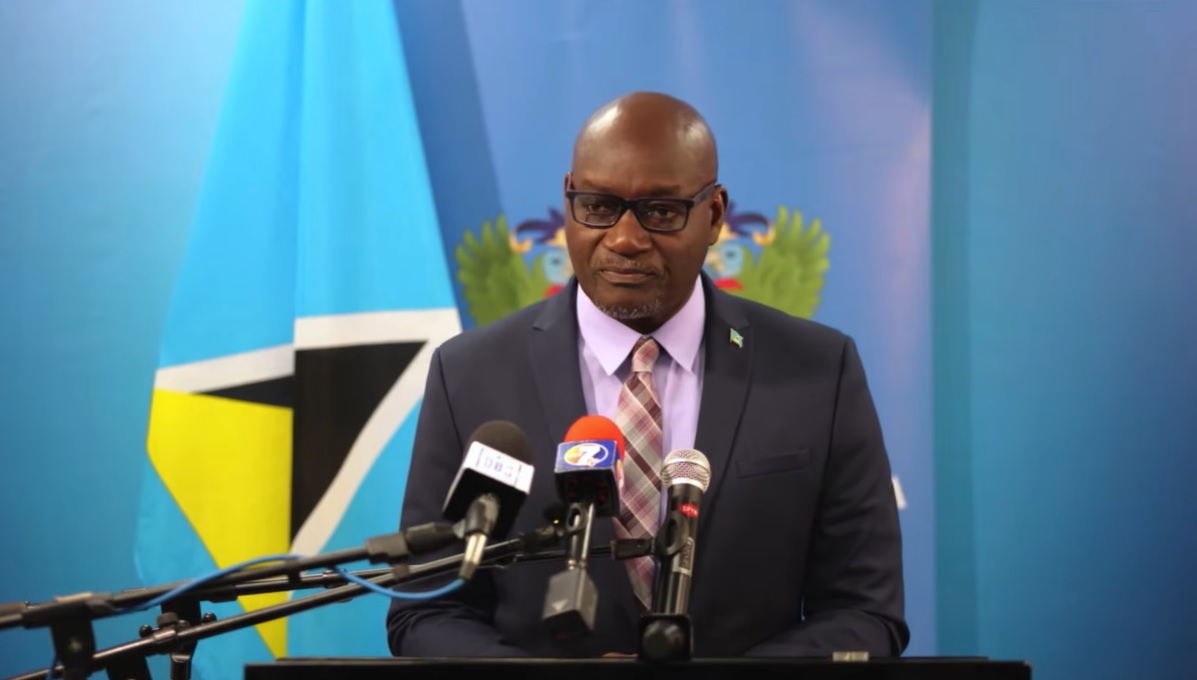
    The long-awaited full opening of Saint Lucia’s rebuilt St. Jude Hospital will not meet its original end-of-July completion target, the nation’s health minister confirmed this week. During Monday’s regular Cabinet press briefing, Health Minister Moses Jn Baptiste announced the delay, noting that on-site construction and pre-opening preparations are still moving forward at the facility’s new location in Augier, Vieux Fort.

    As the calendar approaches the end of July, the full transition of hospital operations to the new site remains incomplete. Jn Baptiste explained that the dedicated commissioning team needs several additional weeks to finish all required checks, emphasizing that the team is working both aggressively and carefully to deliver a fully safe healthcare environment for patients and staff.

    The minister attributed the pushed-back timeline to the need for more in-depth, thorough inspections of specific sections of the new facility. Currently, the commissioning team is collaborating with specialized technical and medical professionals to verify that every critical system meets strict safety and operational standards before full launch. This includes comprehensive testing of core building infrastructure, heating, ventilation and air conditioning (HVAC) networks, medical gas supply systems, medical equipment and safety control mechanisms, digital and information communications technology (ICT) for laboratory services, and radiology department safety protocols.

    In addition to technical checks, the government is also working to fill critical staffing gaps ahead of full opening. Jn Baptiste confirmed that the fully operational hospital will require a total workforce of 721 employees to serve the public. As of the briefing, only 471 staff members had reported for duty at the new site, but recruitment and deployment efforts for the remaining personnel are already underway.

    The government has stressed it will not move forward with a full public opening until every safety, operational and staffing requirement is fully satisfied. “Our aim is to give the people of Saint Lucia the best and safest hospital environment possible,” Jn Baptiste told reporters at the briefing.

    Pre-commissioning work has proceeded in stages, with several support departments already brought online and operational. The physiotherapy unit, kitchen and food services, and on-site laundry facilities are all currently up and running. Most recently, the hospital’s Dialysis Services Department was officially commissioned on Tuesday, July 28, marking the latest milestone in the phased preparation process.

  • Bexon-born Peter Adolph marks 100 years

    Bexon-born Peter Adolph marks 100 years

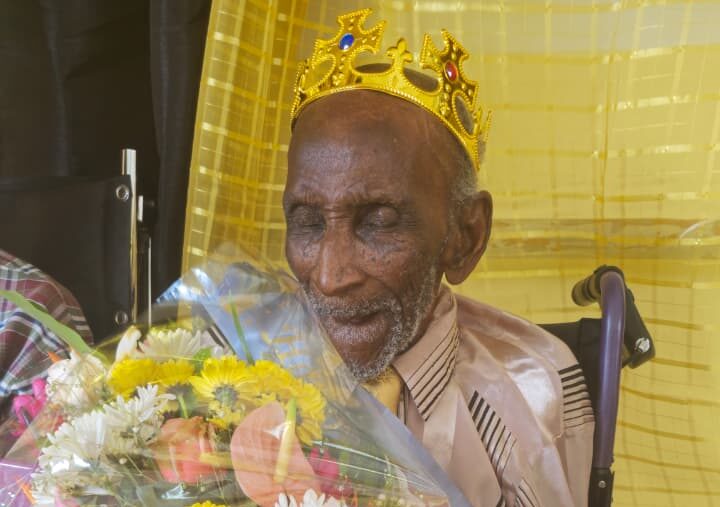
    The Caribbean island nation of Saint Lucia has added a new name to its growing community of centenarians, after Peter Emery Adolph marked his 100th birthday in a warm, joyful gathering at the Comfort Bay Senior Citizens’ Home last Friday.

    Born in the small community of Bexon, Castries, on July 24, 1926, Adolph—who is affectionately known to loved ones and care staff by the nickname “Joseph”—entered his second century surrounded by love. Attendees at the celebration included his extended family, care team members, fellow residents of the home, and dozens of local well-wishers who came to share in the milestone.

    As the last surviving member of a large family of eight children born to Eva Joseph and Saul Adolph, Adolph’s life has spanned a century of dramatic change across Saint Lucia. In his youth, he earned his living working in the island’s historic sugar cane industry, a core part of the nation’s agricultural economy for generations. A sudden, life-altering change in his health and circumstances led to him moving into the former Golden Hope care institution at just 25 years old. After decades of living in institutional care, Adolph relocated to the Comfort Bay Senior Citizens’ Home in 2012, where he has grown into a beloved, quiet pillar of the resident community.

    Today, Adolph lives with complete blindness and limited mobility, and he is known among the home’s staff and residents as one of its more soft-spoken members. Even so, care workers say he regularly brings gentle warmth to their days, occasionally asking for his favorite home-cooked meals and other small, simple pleasures that brighten his routine.

    Last Friday’s celebration was not limited to Adolph’s milestone: organizers also took time to honor three other residents of the home marking their own birthdays that week. In a statement shared after the event, Saint Lucia’s Department of Equity, Social Justice, Gender and Older Persons noted that the joint gathering perfectly embodied the culture of care, mutual support and shared companionship that the home works to cultivate for all its residents.

  • Pierre, ministers sound the alarm on reckless driving

    Pierre, ministers sound the alarm on reckless driving

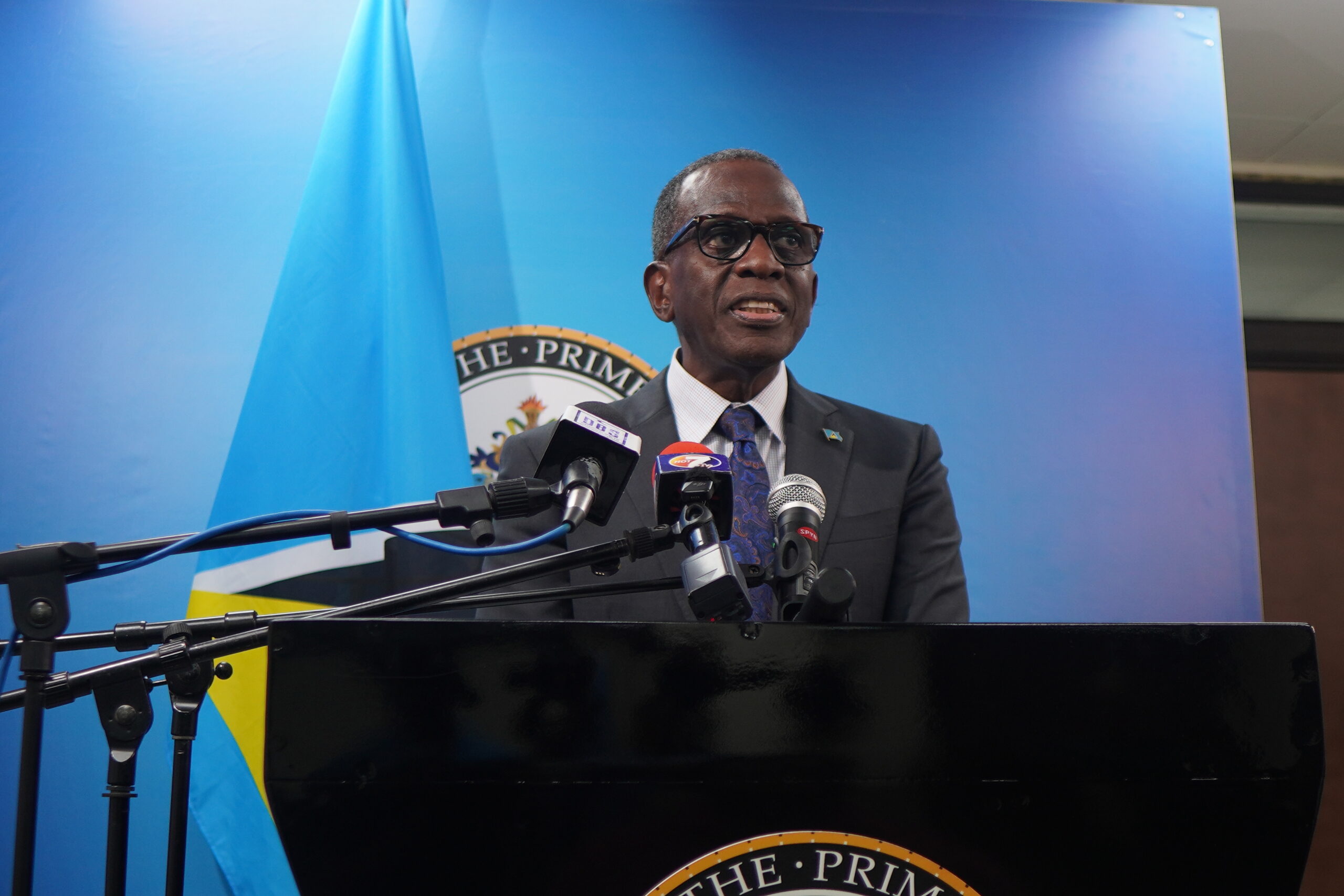
    A sharp uptick in road accidents and preventable deaths across Saint Lucia has prompted urgent action from the nation’s highest-ranking officials, who are calling on the public to take road safety far more seriously than it has in recent years. During a pre-cabinet press briefing held Monday, Prime Minister Philip J. Pierre, Health Minister Moses Jn Baptiste, and Minister for Culture and Tourism Dr. Ernest Hilaire jointly framed the growing road crisis as a critical national threat that cannot be ignored by any member of the public.

    As of the end of July 2026, official data shows the island nation has already recorded 16 road fatalities this year. A disproportionate number of these deaths have involved young, promising Saint Lucians, with inexperienced young drivers frequently counted both as those responsible for reckless collisions and the victims of these preventable tragedies. Beyond the immediate grief inflicted on communities and families, these accidents represent a devastating loss for the entire nation, eroding its most valuable resource: human capital.

    Prime Minister Pierre has repeatedly voiced his deep frustration over the unnecessary loss of life and destruction of property caused by careless driving. Speaking to reporters at Monday’s briefing, he emphasized that while the government will continue to fulfill its obligations to improve road safety, every individual driver must first recognize road safety as a core personal responsibility.

    “We can free ourselves from the culture of carelessness that has taken over our roads… the current rate of road accidents is completely unacceptable,” Pierre stated. “I am not here to judge individual drivers, but we cannot ignore the recklessness that is plaguing our highways and local roads. We all must take ownership of how we operate our vehicles behind the wheel.”

    He went on to note that the government is pursuing a comprehensive, whole-of-system review of the country’s road safety framework, but stressed that meaningful change starts with individual action. “Too often drivers offer excuses like falling asleep at the wheel, but the core problem is right in front of us: people are driving far too fast for our roads,” Pierre added.

    Health Minister Moses Jn Baptiste further highlighted the cascading public health impact of the rising accident rate, noting that the surge in non-fatal road crash injuries is already placing unsustainable additional strain on Saint Lucia’s overstretched healthcare system. Echoing the prime minister’s stance, Jn Baptiste said that while the government has a clear duty to protect road users, ultimate responsibility for safe travel rests with each commuter.

    “The government of Saint Lucia is committed to doing more, across every area: we are reviewing existing legislation, expanding road safety education programs, and investing in infrastructure improvements, among other initiatives,” Jn Baptiste explained. “But at the end of the day, road safety is just like personal health: people often demand more public facilities, but the foundation of good outcomes is individual responsibility.”

    Minister Hilaire, for his part, pointed to a well-documented trend: Saint Lucia consistently sees a spike in road collisions during the country’s festive seasons, when higher rates of alcohol consumption among event attendees increase the risk of impaired driving. Current Saint Lucian law states that any person caught driving while intoxicated is liable to a summary conviction carrying a fine of up to $5,000, a prison sentence of up to one year, or both. Hilaire argues that local law enforcement needs to strengthen enforcement of these existing regulations, particularly after large public events where alcohol is served.

    “Decades ago, when we had far fewer vehicles on the road, fewer large public gatherings and less alcohol consumption, our roads were inherently much safer,” Hilaire noted. “Times have changed, and we need to adapt our approach. There is a clear need for increased police presence and stricter enforcement on our roads, especially after events where drinking is common.”

    The joint appeal from the three government leaders comes as the nation grapples with a growing public safety crisis that has touched communities across the country, with officials hopeful that a renewed focus on personal accountability and stronger enforcement can reverse the upward trend in preventable road deaths.

  • ‘We were like two brothers’: Father mourns son killed in Au Pos accident

    ‘We were like two brothers’: Father mourns son killed in Au Pos accident

    A tight-knit Saint Lucian community is grappling with senseless loss after a tragic Sunday road accident claimed the life of 30-year-old Andrez “Sackey” Forde, a beloved resident of Marchand who family members describe as the steady backbone of their household.

    Forde lost his life when the vehicle he was operating veered off the roadway and plummeted over a steep precipice at Au Ponche in Anse La Raye. A female passenger traveling with him survived the catastrophic crash but sustained critical multiple injuries; as of the latest updates, she remains hospitalized in stable condition.

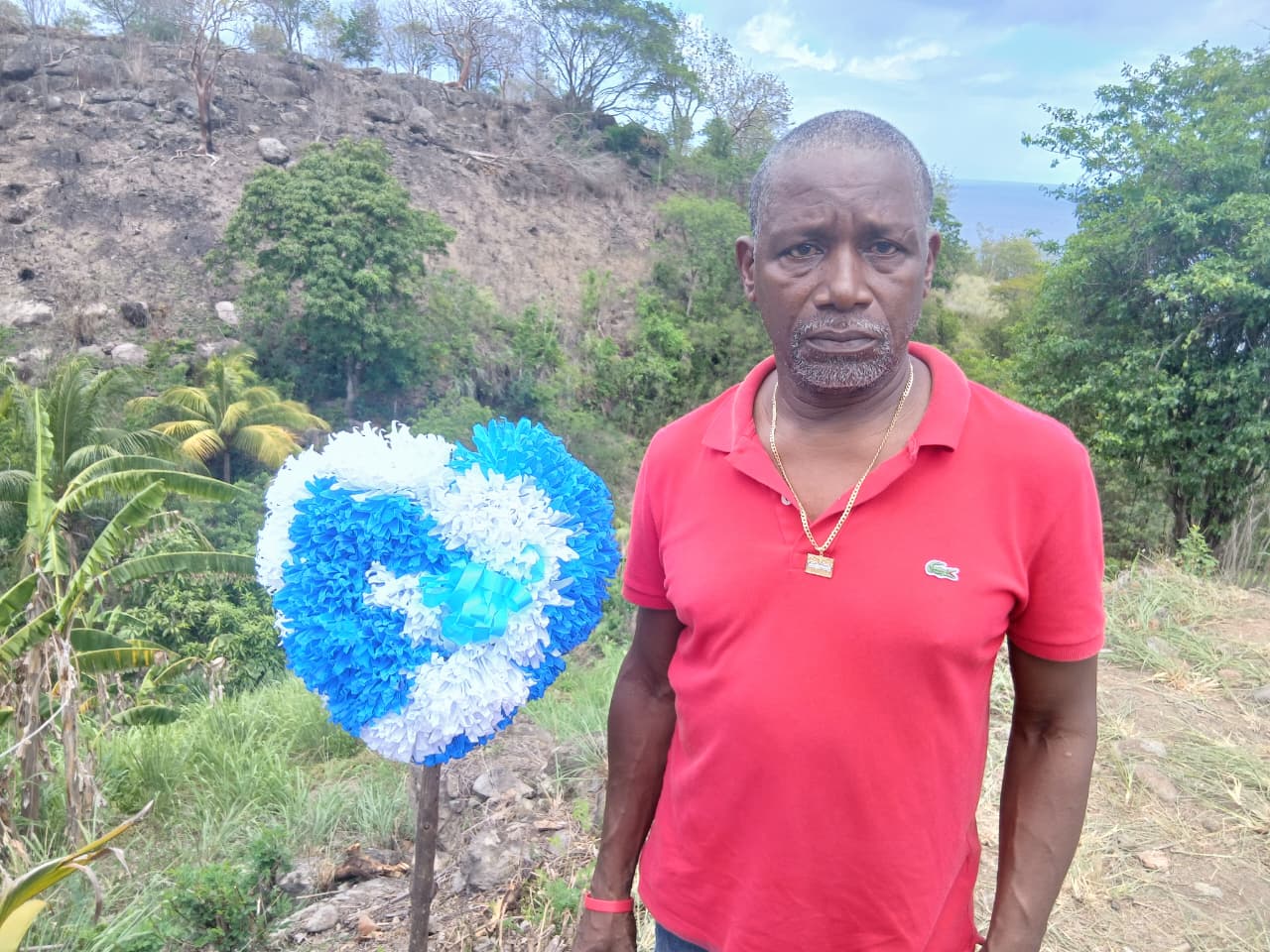
    The day following the tragedy, Forde’s father Andre Forde visited the crash site, overcome with grief as he reflected on the final hours he shared with his son. Andre shared that his son had left the family home in the early hours of Sunday morning, letting his father know he was heading out before a final brief phone conversation that would prove to be one of their last. “He called… to tell me, ‘Daddy, the key for the Creta is on the dresser’,” Andre recounted.

    Andre remembered his son as a respectful, compassionate young man who consistently prioritized the well-being of his parents. “My son was very nice to me,” he said. “My son was no bad person.” When asked what he would grieve most, the heartbroken father paused before sharing that the pair shared an unusually close bond. “Being there. We were like two brothers. He always talked to me… ‘Daddy, don’t worry, everything is safe, everything is alright. I will help you. You shouldn’t be working again’.”

    Andre explained that he was unable to bring himself to visit the crash site immediately after receiving the devastating news, only making the trip the following day. When he arrived at the hospital to check on his son, law enforcement officers confirmed that Andrez had already succumbed to his injuries. “He told me there he had no pulse, so he was already dead,” he said quietly.

    Andre also shared details of the passenger’s condition, confirming the woman had suffered broken legs and a broken arm in the fall. The loss has hit the entire family extraordinarily hard, with Forde’s mother unable to process the shock of her son’s death. “My wife… she fainted,” Andre said, adding that extended relatives have gathered at the home to support her through the initial stages of grief.

    Andrez Forde is survived by his young daughter, who will now grow up without her devoted father. Hadassa, another of Andrez’s relatives, recalled the disorienting moment she learned of his passing. She said she woke to panicked voices in her home before realizing a video of the crash was circulating in a local family group chat. Initially too anxious to open the messages, she eventually looked at the footage and confirmed her relative’s identity. She added that the entire family is still struggling to accept that the sudden tragedy has occurred.

    Local law enforcement authorities have confirmed that the investigation into the circumstances of the fatal crash is still ongoing, with no further details released to the public as of yet. In the days since the accident, family and loved ones have gathered at the crash site to leave a small memorial in Andrez’s honor, honoring the life of the caring man gone far too soon.

  • Our Money, Our Mirror: Why new EC banknotes matter more than we realise

    Our Money, Our Mirror: Why new EC banknotes matter more than we realise

    In the wake of the high-energy CARICOM summit held in Saint Lucia, and amid the raucous joy of local Carnival celebrations that dominated social media feeds, a quietly transformative development has gone largely under the public radar – one that demands deliberate attention and broader public discourse.

    In the modern media landscape, staying meaningfully informed about events that shape our collective life grows more challenging by the day. Social media algorithms are designed to prioritize content that stokes division, outrage, and controversy, pushing aside moments that call for celebration or thoughtful reflection. As media observers have long noted, good news rarely drives clicks or advertising revenue, leaving underreported stories that carry profound long-term significance buried under sensationalized content.

    Compounding this, the constant weight of persistent social, political, and economic struggles soaks up nearly all of our collective advocacy energy, leading many to overlook moments that deserve recognition and celebration. This is not to argue that we should divert focus from the urgent crises facing communities across the region – if anything, sustained attention to these issues is still insufficient. But it is possible to hold two truths at once: we can grapple with the devastating cost-of-living crisis while also celebrating tangible progress in the ongoing, unfinished work of decolonization and sovereign nation-building.

    That tangible progress arrived recently when the Eastern Caribbean Central Bank (ECCB) unveiled its newly redesigned Eastern Caribbean (EC) banknote series. ECCB Governor Timothy N. J. Antoine framed the redesign as a direct response to public demand: for a regional currency that honors the Caribbean’s own heroes, nation-builders, and trailblazers whose lives and contributions have enriched member states and strengthened the entire Eastern Caribbean region. Reflecting the currency’s status as a public asset belonging to all members of the Eastern Caribbean Currency Union, the ECCB Monetary Council opened the redesign process to public input, inviting ordinary citizens to help shape this new chapter of shared regional history.

    The final product is a new series of banknotes featuring portraits of distinguished Caribbean leaders and icons from across the region, replacing the portrait of the British monarch that has appeared on Eastern Caribbean currency for generations. This is far more than an aesthetic update: it marks a pivotal moment for decolonization, self-determination, and regional sovereignty.

    Critics have pushed back against framing the change as a meaningful milestone, arguing that swapping portraits on currency does nothing to lower skyrocketing food prices, raise stagnant wages, or ease the widespread economic anxiety weighing on households across the region. Others dismiss the change as long overdue, arguing governments deserve no praise for taking an action that should have been completed decades ago.

    But these critiques oversimplify a far more nuanced conversation, relying on a false binary that suggests societies must eliminate every material economic hardship before they can address the symbolic work of decolonizing the cultural and national symbols that shape collective identity. This is a false choice: nations can address pressing economic challenges while advancing work on sovereignty and identity, just as people can walk and chew gum at the same time. We have never been single-issue societies. The argument that only economic outcomes matter is rooted in narrow neoliberal thinking that frames fiscal management as the sole responsibility of the modern state, relegate questions of identity, collective memory, and national self-confidence to secondary status because their impact cannot be immediately quantified in dollars and cents.

    In reality, nations are sustained by far more than balanced budgets. They are held together by shared stories, unifying symbols, and inclusive institutions that allow every citizen to see their own place in the society they help build. As Barbados’ founding father Errol Barrow famously asked decades ago during the island’s independence movement: “What is your mirror image?” That question remains just as urgent today.

    This banknote redesign forces us to confront that question directly. The currency we use every day – to buy groceries, repay loans, save for retirement, or invest in our children’s futures – should tell our own regional story, not one written by our former colonial rulers. It should not carry the implicit message that our national legitimacy is only validated by the continued presence of the British Crown. Instead, it should center the people whose labor, sacrifice, and vision built the societies and monetary union that we benefit from today.

    When a child growing up in Soufriere, Kingstown, Grand Anse, or Basseterre picks up an EC banknote, it should be more than just a tool for financial exchange. It should remind them that independent peoples have the confidence to honor their own heroes, celebrate their own achievements, and define the symbols that will shape how future generations understand their identity. It should teach them that we have the power to create our own icons, our own institutions, and our own narrative.

    Featuring beloved regional figures including former Saint Lucia Prime Minister Sir John Compton, former Dominica Prime Minister Dame Eugenia Charles, and Olympic champion Kirani James, the redesign is far more than an artistic update. It is a deliberate affirmation that excellence born and raised in the Eastern Caribbean deserves public reverence. It invites young people to see themselves not as passive spectators in a history written by others, but as active contributors to their own story, as citizens of independent sovereign states rather than colonial subjects. As the legendary Saint Lucian poet Derek Walcott wrote, “At last, these islands are no longer being written about, they are writing themselves.”

    Trinidadian novelist Earl Lovelace captured the enduring psychological weight of colonialism in his novel *The Dragon Can’t Dance*, asking: “How come everything we do we have to be appealing to somebody else… Is like we ain’t have no self. I mean we have a self but is for somebody else. We is people… for we own self.” That observation cuts to the heart of one of colonialism’s most persistent legacies: the deep-seated tendency to prioritize external validation over recognizing our own inherent worth.

    Critics still dismiss this change as nothing more than empty symbolism, but symbols have always mattered. They shape how societies understand their own identity, the stories they pass down to future generations, and the confidence they bring to engagements with the wider world. To use a simple analogy: when a person’s name is repeatedly mispronounced or replaced with a different name, nothing material changes on paper, but something core to their identity is damaged, because names carry deep meaning and identity. Similarly, Caribbean people universally react with frustration when Saint Lucia is confused for another nation, or when the Eastern Caribbean is lumped together as culturally identical to the rest of the Caribbean. That reaction stems from the same truth: symbols matter. They communicate who we are, how we want to be seen, and what we believe is worth remembering.

    Our currency serves exactly this identity-forming purpose. It tells a story about whose achievements deserve a permanent place in our collective memory. A society that neglects to lift up its own symbols cedes power to outsiders to define its history, its heroes, and ultimately its sense of self.

    Even so, the ECCB’s work cannot end with the launch of the new banknotes. For this step to represent a true advance in decolonization, it must be paired with a sustained program of public education. Many of us know the basic titles: Sir John Compton is the Father of Saint Lucian Independence, Dame Eugenia Charles is the “Iron Lady of the Caribbean”, Sir Arthur Lewis is the region’s only Nobel Laureate in Economics. But how many of us truly understand the full scope of their lives, the struggles they overcame, the hard choices they made, and the lessons they leave for current and future generations? How much do we know about the remarkable figures from neighboring islands featured on the new notes?

    This moment should inspire investment in public education initiatives: biographies, documentaries, updated school curricula, public lecture series, museum exhibitions, community dialogues, public murals, children’s books, and digital storytelling projects that bring these figures’ legacies to life. These banknotes should act as a gateway to deepening public understanding of the Eastern Caribbean’s shared history, rather than only serving as tools for commercial exchange. History has long taught us that societies that fail to understand their past are doomed to repeat its mistakes, so these new notes should educate as widely as they circulate.

    Most importantly, this reform should act as a catalyst for a broader regional dialogue about completing the unfinished project of decolonization. We must continue to identify remaining colonial vestiges that no longer reflect who we are as independent nations, while preserving those artifacts carefully in museums, so future generations can engage critically with that history rather than simply erasing it. This dialogue will inevitably extend to constitutional reform, including the continued role of British monarchical representatives in many regional political systems. National Reparations Commissions, Constitutional Reform Commissions, and other public bodies must continue examining both the structural and symbolic legacies of colonialism, advancing a vision of indigenization that reflects the confidence, maturity, and aspirations of modern independent Caribbean societies. This conversation must not be limited to government meetings: it must take place in every public space, from town squares and courthouses to classrooms and playgrounds.

    Errol Barrow once urged Caribbean nations to stop “loitering on colonial premises”, and the Eastern Caribbean Central Bank has taken a significant step forward along that path. This is neither the first nor the final step in the long journey to full decolonization, but it is a meaningful milestone that deserves recognition. For this achievement, the ECCB merits public commendation. Now, the responsibility falls to governments, educators, artists, historians, constitutional reformers, and ordinary citizens across the region to continue the work: ensuring that all the symbols of our societies reflect the confidence of the people we are becoming, rather than the outdated structures of our colonial past.

    This commentary is by Rahym R. Augustin‑Joseph, the 2024 Rhodes Scholar for the Commonwealth Caribbean and a two-time valedictorian, who is currently pursuing a Master of Public Policy at the University of Oxford’s Blavatnik School of Government. Augustin‑Joseph holds two First Class Honours degrees in Political Science and Law from the UWI Cave Hill Campus, and is an award-winning debater, youth leader, and advocate focused on law, politics, and governance in the Caribbean.