标签: Saint Lucia

圣卢西亚

  • UWP Senator calls for national reflection on raising boys

    UWP Senator calls for national reflection on raising boys

    In the wake of the fatal killing of local woman Joy St Omer, a senior opposition politician in Saint Lucia has sparked urgent public debate, arguing that outdated and inadequate socialization practices for boys and young men are a root contributor to the nation’s ongoing crisis of femicide and gender-based violence.

    United Workers Party Senator Elisha Norbert, a former educator with a Christian upbringing, laid out his perspective on the drivers of violence against women in an exclusive interview with local outlet St Lucia Times. Drawing on decades of both personal experience and professional observation working with young people, Norbert connected patterns of male violence against women to systemic gaps in how boys are taught to process emotion, cope with setbacks, and respect women.

    Raised in a devout Christian household, Norbert noted his upbringing instilled a core value of care and protection for women. “The Bible teaches us to care for women like fine china,” he explained, adding that women’s innate tendencies toward love, forgiveness, and compassion are too often twisted and exploited by emotionally stunted men in abusive relationships. It is a devastating sight, he said, to watch women continue extending kindness and support to partners even as they endure repeated harm.

    Drawing on his years as a classroom teacher, Norbert pointed to shifting parenting norms that shield boys from the healthy, age-appropriate experience of failure. He cited a common modern example: parents pushing back against coaches for raising their voices at young players during football matches, depriving children of the chance to process disappointment on the field.

    Too many boys today grow up never learning that setbacks are a normal part of life, he argued. They never get the opportunity to lose a game, sit with their frustration, and be guided to process that emotion in a healthy way—learning that it is okay to not win every contest. Over time, this lack of emotional practice leaves men without the regulation skills to handle rejection, conflict, or unmet expectations in adulthood.

    “Honestly, I believe society is raising weak men,” Norbert said. “We’ve lost a lot in the way we raise our men, and I think we’re reaping the rewards of that. It’s detrimental to the stability of a man’s emotional regulation, and they lash out with their might and their strength and their rage that has never been controlled.”

    To reverse this trend, Norbert is calling for a broad, nationwide conversation in Saint Lucia focused on rethinking how boys are raised and educated. The core priority, he says, must be redirecting greater investment and attention to building boys’ emotional intelligence from an early age, equipping them to handle life’s challenges without turning to violence.

  • Eastern Caribbean labs link up for faster outbreak response

    Eastern Caribbean labs link up for faster outbreak response

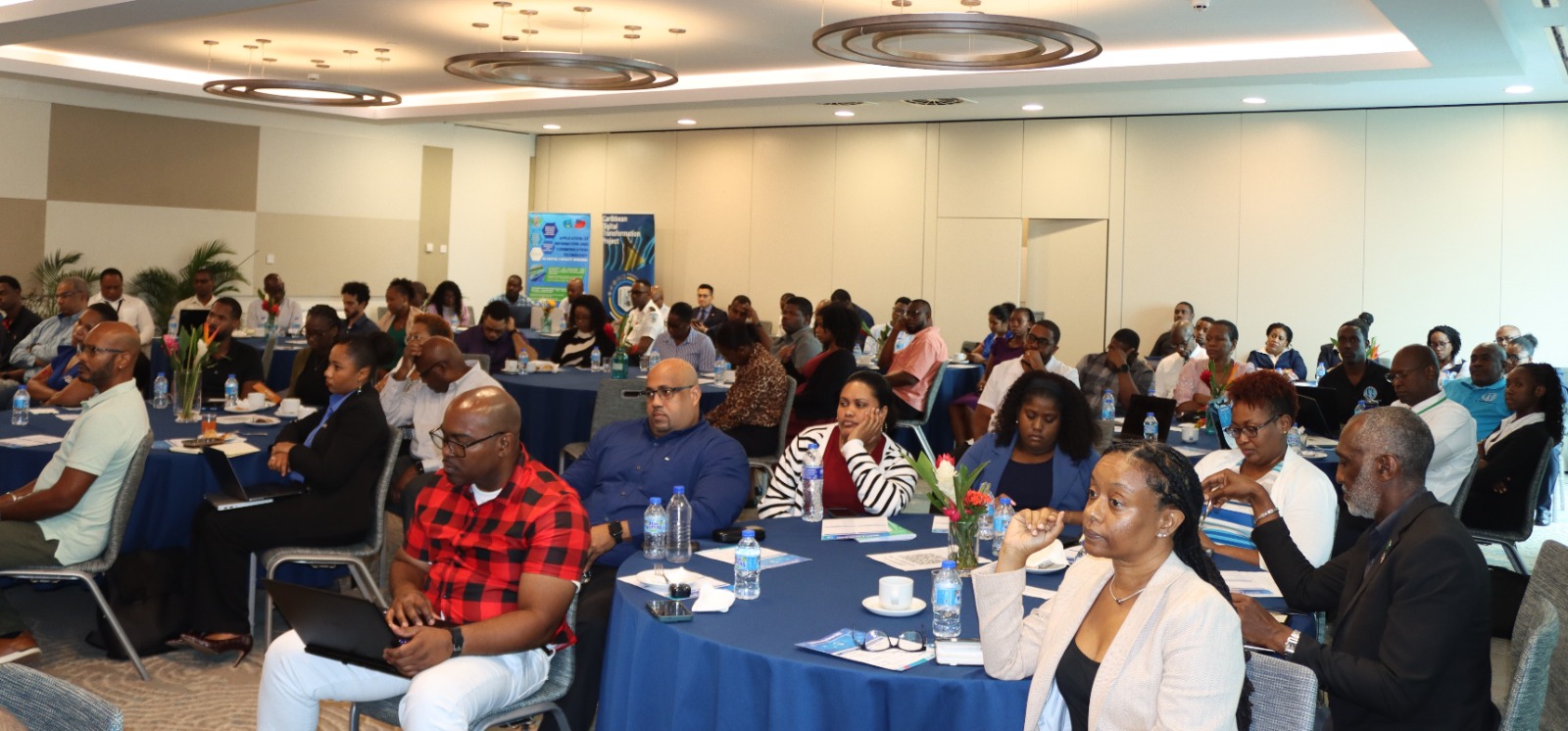
    A regional initiative to boost infectious disease monitoring, early outbreak detection and rapid public health response across the Eastern Caribbean is now underway, after the Pan American Health Organization (PAHO) concluded a targeted stakeholder consultation focused on building tier-based compliant laboratory networks. The multi-day gathering, hosted at Saint Lucia’s Harbour Club Hotel, brought together a diverse cohort of laboratory specialists, public health practitioners, sub-regional reference laboratory leaders and global health partner representatives from across the island bloc.

    The core goal of the consultation was to align regional stakeholders on the infrastructure, policy and operational requirements for building a tier-based laboratory network that meets the binding standards of the International Health Regulations (IHR) and aligns with global universal health coverage (UHC) goals. Unlike a centralized model, a tier-based system connects diagnostic facilities across multiple levels of care: from community-based testing sites at local polyclinics, to national reference laboratories, up to specialized regional reference centers. This interconnected structure is designed to cut wait times for diagnostic results, expand equitable access to testing, and deliver more consistent, reliable data to trigger faster outbreak responses.

    Vishwanath Partapsingh, PAHO’s advisor for health systems and services, outlined the dual core objectives of the regional consultation in opening remarks. “First, we wanted to open a collaborative dialogue with member states to build shared understanding of the core principles of tier-based laboratory networks, outline the tangible benefits these systems deliver, map existing national laboratory capacity across the region, and outline actionable next steps for each country to advance their own systems,” Partapsingh explained. “Second, we aimed to assess current progress countries have already made toward aligning their laboratory infrastructure with IHR requirements, and create space for cross-national experience sharing. Countries across the Eastern Caribbean are at different stages of developing these networks, so there is tremendous value in allowing nations to learn from one another’s successes and challenges.”

    For host nation Saint Lucia, the timing of the consultation proved particularly opportune, according to Dr. Glensford Joseph, the country’s Medical Officer of Health. Joseph noted that the gathering created a critical space for collaboration with other member states of the Organization of Eastern Caribbean States (OECS) to strengthen regional and national laboratory services collectively.

    “This consultation gives us a unique opportunity to conduct a full review of our current national laboratory framework, identify unaddressed gaps and challenges, and lay the groundwork to build a far more robust diagnostic system that serves communities across every level of care,” Joseph said. “Right now, we are preparing to expand routine laboratory services out to the community level, particularly in our island’s polyclinics, so this guidance could not have come at a better time as we shift to a tier-based approach.”

    Joseph added that Saint Lucia’s Ministry of Health prioritizes this regional collaboration because it helps national policymakers refine existing frameworks and actionable roadmaps to strengthen laboratory systems, work that directly advances both UHC goals and national outbreak preparedness efforts.

    “A strong, tiered laboratory network enables the decentralization of diagnostic services, meaning community members can access the testing they need close to home, which is a critical pillar of rolling out our national universal health coverage package,” Joseph emphasized. “Beyond improving access to routine care, strengthening this network is also central to boosting our national disease surveillance capacity. Laboratory diagnosis is the foundation of confirming outbreak-causing pathogens, enabling faster clinical management for patients and allowing public health teams to bring outbreaks under control far more quickly.”

    Looking ahead, PAHO expects that the outcomes of this consultation will drive measurable progress in rolling out tier-based laboratory systems across multiple Eastern Caribbean nations, including Saint Lucia, Grenada, and St. Vincent and the Grenadines, ultimately improving health outcomes and security for communities across the sub-region.

  • Alfred beats Jefferson-Wooden in Diamond League opener

    Alfred beats Jefferson-Wooden in Diamond League opener

    On a warm Thursday evening at Rome’s iconic Stadio Olimpico, Saint Lucian sprint star Julien Alfred delivered a thrilling performance to secure gold in the women’s 200m at the Golden Gala Pietro Mennea Wanda Diamond League meeting, outpacing the sport’s reigning world champion to claim a statement win ahead of the busy 2026 athletics season.

    Just one week ahead of her 25th birthday, Alfred crossed the finish line with a winning time of 21.93 seconds, boosted by a favorable 1.3 meters per second tailwind. Her challenger, American sprinter Melissa Jefferson-Wooden — who swept both the 100m and 200m world championship titles at the 2025 World Athletics Championships in Tokyo — got off to a strong start out of the starting blocks but could not match Alfred’s late-race pace, ultimately finishing second with a time of 22.17 seconds.

    Thursday’s race marked Alfred’s first Diamond League appearance of the 2026 season, a promising opening for the sprinter who already holds back-to-back 100m Diamond League titles. Even with an uncharacteristically wobbly start that put her briefly behind Jefferson-Wooden, Alfred dug deep over the final straight to pull ahead for the win. Her result at the Golden Gala marks the sixth-fastest 200m time of her professional career, and she already holds the world’s leading 200m time for 2026, having clocked an impressive 21.86 seconds at a meet back in April.

    For Jefferson-Wooden, the Rome race was her first competition of the season after a nine-month break from competitive racing. Notably, the American spent part of that time off on her honeymoon, fittingly, in Alfred’s home country of Saint Lucia.

    Fans will not have to wait long for a rematch between the two elite sprinters: the pair is already scheduled to face off again in the women’s 100m at the Prefontaine Classic, set to take place on July 4 in what is shaping up to be another high-stakes showdown between two of the world’s top female sprinters.

  • New alliance could change how cancer is diagnosed, treated in Saint Lucia

    New alliance could change how cancer is diagnosed, treated in Saint Lucia

    A groundbreaking collaboration between two Caribbean health organizations is set to transform diagnostic and treatment pathways for life-threatening conditions including cancer across Saint Lucia, with ambitions to expand access across the Eastern Caribbean. Starting this week, the partnership between CariGenetics Saint Lucia and Lab Services & Consultations will bring cutting-edge genetic testing, advanced cancer diagnostics, and genomic sequencing services within local reach for patients who previously had to travel overseas to access these tools.

    For oncologists and clinical care teams, the new access to specialized tumour profiling and tissue analysis marks a major shift in how cancer care is delivered. Instead of relying on generalized treatment protocols, clinicians can now tailor therapies to the unique genetic makeup of each patient’s condition, dramatically improving the odds of effective outcomes. Dr. Stephen King, laboratory director at Lab Services & Consultations, emphasized that immunohistochemistry and tumour genetic testing are what separate one-size-fits-all care from truly personalized, targeted medicine that delivers better results for patients.

    Beyond cancer care, the collaboration expands local access to preventative genetic testing as well. Saint Lucians can now access testing to understand their inherited risk of chronic disease, learn how their body will respond to common medications, and gather actionable genetic data to inform long-term healthcare decision-making, all without leaving the country.

    The initiative also carries broader public health benefits for the island nation. Building local sequencing capacity strengthens Saint Lucia’s ability to conduct widespread disease surveillance, track trends in antibiotic resistance, and boost national preparedness to respond to emerging public health threats, from new pathogen outbreaks to evolving chronic disease patterns.

    Devy Frederick, CEO of CariGenetics Saint Lucia, noted that expanding access to new testing services is only the first goal of the partnership. A core priority is integrating these new diagnostic tools directly into local clinical care pathways to ensure they actually translate into tangible improvements for patient outcomes. “The aim of this partnership therefore is not only to introduce new testing services but to ensure that they are properly connected to clinical care,” Frederick explained.

    While services are launching first in Saint Lucia, both organizations frame the collaboration as a stepping stone for a wider regional expansion across the Organisation of Eastern Caribbean States (OECS), working to close the gap in access to advanced diagnostic medicine across small island nations.

    OECS Director General Dr. Didacus Jules hailed the partnership as far more than a standard commercial collaboration. “It is an act of intellectual sovereignty, a declaration that the Eastern Caribbean has the ambition, the talent, and now the infrastructure to participate meaningfully in the future of medicine,” Jules said.

  • Kusal ​Mendis, Chameera power Sri Lankans past Windies

    Kusal ​Mendis, Chameera power Sri Lankans past Windies

    On Wednesday, June 3, Sri Lanka kicked off their three-match men’s One Day International series against the West Indies with a statement 41-run victory at Kingston’s Sabina Park, ending an 11-year dry spell for the side in Caribbean cricket grounds. Even before the first ball was bowled, betting analysts had tipped the South Asian side to claim an opening win, a projection that defied the hosts’ recent strong form — the West Indies had claimed four consecutive ODI series on home soil heading into this clash. That pre-match prediction ultimately held true, delivering Sri Lanka a critical early win in the race for 2027 ICC Men’s Cricket World Cup qualification.

    West Indies captain Shai Hope won the pre-toss coin flip and opted to send Sri Lanka in to bat first, a decision that would come with early misfortune for the hosts. On the very first delivery of the entire series, West Indies batter Keacy Carty dropped Sri Lankan opener Pathum Nissanka off pace bowler Jayden Seales’ bowling. The first wicket of the match fell soon after, when Seales removed opener Kamindu Mendis, Nissanka’s opening partner, for 12 runs. By the end of the mandatory powerplay fielding restrictions, Sri Lanka had posted 32 runs for the loss of just one wicket, a steady start that set the foundation for a big total.

    A century-level third-wicket stand between captain Kusal Mendis and the reprieved Nissanka transformed Sri Lanka’s innings into a dominant position. The pair piled on 136 runs together, with Nissanka capitalizing on his early second chance to notch 79 runs before being dismissed. Kusal Mendis followed close behind with a polished 72-run knock to extend the visitors’ lead. Later in the innings, another quick-fire partnership between Charith Asalanka and Janith Liyanage added 64 runs from just 48 deliveries, pushing Sri Lanka to a commanding final total of 302 runs for seven wickets from their full 50 overs. Asalanka contributed 45 runs in the stand, while Liyanage finished the innings unbeaten on 44.

    Chasing a steep target of 304 runs to open the series with a win, the West Indies got off to a promising start, with Justin Greaves striking 45 runs to give the hosts momentum. Captain Hope kept his side in the hunt for victory with a well-compiled half-century, scoring 56 runs and forging useful middle-order partnerships: 52 runs with Carty, and 33 runs with all-rounder Roston Chase. Chase added 33 runs to the total, left-arm spinner Gudakesa Motie chipped in with 22, and pace bowler Shamar Joseph remained unbeaten on 23 off late overs. Even with these contributions, the hosts could not match Sri Lanka’s earlier run rate, and a brief stoppage of play due to poor early evening light only delayed the final result.

    When the final overs wrapped up, the West Indies had fallen 41 runs short of the required target, handing Sri Lanka their first win in the Caribbean region since 2013. Pace-spin all-rounder Dushmantha Chameera was the standout performer with the ball for the visitors, finishing with four wickets for 67 runs from his 10 overs. With critical World Cup qualification points on the line across the rest of the series, the West Indies now face a rush to regroup ahead of their next fixture, as they fight to secure direct qualification for the 2025 2027 Men’s World Cup.

  • Ave Maria, Dugard Combined win at Schools Calypso & Soca

    Ave Maria, Dugard Combined win at Schools Calypso & Soca

    On a vibrant Wednesday filled with rhythm and cultural pride, two Saint Lucian primary schools walked away with the highest honors at the annual National Primary Schools Calypso & Soca Competition, held at the iconic Mindoo Phillip Park. The event gathered young, promising performers from educational institutions across the island, creating a joyful space to celebrate local musical heritage, creative expression, and youthful talent.

    The first segment of the competition centered on calypso, a genre deeply rooted in Caribbean social commentary and narrative storytelling. Young artists took the stage to deliver thoughtful, compelling performances that wove personal stories and critical observations into their music, captivating the attending crowds and panel of judges alike. When scores were finalized, Dugard Combined School claimed the coveted calypso crown with its standout performance of *Remember Me*, delivered by young performer who goes by the stage name Mr Personality. Second place went to Canon Laurie Anglican, which presented *Las Manti La* by rising artist Ti Jean. Anglican Infant secured third place with *What Should I Do* by Unique, while Ave Maria Girls’ Primary earned fourth spot with *Standing Strong*, a track from Mighty Informer.

    Following the thoughtful calypso segment, the soca portion of the competition brought high-octane energy and infectious beats that kept the audience on their feet. Ave Maria Girls’ Primary stole the show here, turning in an electrifying performance of *Lash Up* by Soca Storm that earned the school the first-place soca title. Carmen Rene Memorial finished as runner-up with *We Ready for Di Road*, performed by young talents Zizi & Kiki. Ciceron R.C. Combined took third place with *Big Dreams* by I-Scream, while Camille Henry Memorial rounded out the top four with *The Rain Have Nothing on Us* by Little J.

    Alongside the top-finishing schools, the competition welcomed participants from a range of other Saint Lucian primary institutions, including Morne Du Don Primary, Saltibus Combined, Gordon Walcott Memorial, Les Etangs Combined, and Delcer RC Combined, each contributing their own unique energy and artistry to the celebratory event.

    Looking ahead, the next chapter of this national cultural showcase will kick off on Friday, June 5, 2026, at 9:30 a.m., also hosted at Mindoo Phillip Park in Castries. The upcoming National Secondary Schools Calypso & Soca Competition will feature secondary school talent from across the island, with confirmed participating institutions including Castries Comprehensive, Vieux Fort Comprehensive, Sir Ira Simmons Secondary, and St Joseph’s Convent.

  • Eight charged after police operation in Castries communities

    Eight charged after police operation in Castries communities

    A coordinated multi-unit law enforcement sweep across three Castries neighborhoods in Saint Lucia has yielded major results, with eight people facing criminal charges—including one suspect previously wanted for an alleged armed robbery. The operation, carried out May 28 by the Royal Saint Lucia Police Force’s Gangs, Narcotics and Firearms Unit, drew support from three additional specialized departments: the Criminal Investigations Department, Central Intelligence Unit, and Tactical Response Unit, according to an official police statement released Wednesday.

    The enforcement action targeted properties across Wilton’s Yard, Belair, and Dierre Fort, where officers executed multiple search warrants as part of the operation. At a Wilton’s Yard residence, law enforcement recovered a stash of suspected cannabis alongside growing cannabis plants, and took 21-year-old Ishon Joseph into custody.

    In Dierre Fort, search warrants turned up additional quantities of suspected cannabis and more cannabis plants. Police arrested six people there: 21-year-old Naheem Samuel, 45-year-old Thecla Joseph, 46-year-old Marcus Joseph, 21-year-old Leon James (also known by the alias “Tikko Bolom”), 36-year-old Ryan Louis (alias “Spartacus”), and a 17-year-old minor whose name is being withheld due to his age.

    The third targeted neighborhood, Belair, led to the capture of a high-priority suspect: 31-year-old Kerius Polius, who goes by the alias “Shortcrop”. Polius was already wanted by police in connection with an armed robbery that took place on Castries’ Darling Road on May 7.

    One day after the operation, on May 29, seven of the eight suspects—Ishon Joseph, Samuel, Thecla Joseph, Marcus Joseph, James, Louis, and the juvenile—were formally charged with three cannabis-related offenses: cannabis cultivation, possession of a controlled substance, and possession of a controlled substance with intent to distribute.

    Six of the seven charged individuals made their first court appearances at the First District Court shortly after charges were filed, where each was granted bail set at $1,500 on a personal recognizance bond. Ishon Joseph appeared at the same court on June 1, and entered a guilty plea to all three charges against him. In response, the court handed down a $4,200 fine, a one-year probation term, and ordered that the fine must be paid within six months, with a default sentence of six months in prison for non-payment.

    For the high-profile suspect Polius, formal charges were not filed until June 2: he faces two counts, one of robbery and one of unlawful possession of ammunition without a valid license. Polius made his initial court appearance the same day charges were filed. The court set bail at $5,000 for the robbery count and $10,000 for the ammunition possession count, which he has been granted.

  • When good intentions do harm: Why we must donate responsibly

    When good intentions do harm: Why we must donate responsibly

    The Caribbean region has long benefited from global goodwill in the wake of climate-driven disasters, but decades of on-the-ground experience have revealed a hidden cost of unregulated generosity: uncoordinated, unsolicited donations are turning good intentions into secondary crises that slow life-saving response when every minute counts.

    After major storm, flood or volcanic events, local disaster management systems are routinely overwhelmed by inappropriate donations that clog critical port and warehouse infrastructure. Winter coats shipped to tropical zones, expired food supplies, unsorted mixed boxes of goods, and flimsy tarpaulins that cannot withstand heavy rain are just a few common examples. These unnecessary items drain already stretched resources: they consume valuable staff time, limited storage space, and critical funding that could otherwise be directed to meeting the urgent needs of vulnerable communities. Data collected by the Caribbean Disaster Emergency Management Agency (CDEMA) shows that as much as 60% of unsolicited donated goods end up unused, discarded as waste that adds additional environmental strain to small island nations already at the forefront of climate change.

    These challenges extend far beyond operational logistical headaches. When disaster response systems are bogged down processing unusable donations, communities waiting for life-saving essentials such as clean water, food, emergency shelter materials and medical supplies are forced to wait longer for support, putting lives at unnecessary risk.

    The urgency of addressing this longstanding problem has grown sharply in recent years. Between 2020 and 2025, more than 2.6 million people across 13 English and Dutch-speaking Caribbean countries were impacted by floods, tropical storms, and volcanic activity. These repeated climate disasters have caused widespread destruction, displaced communities, and put unrelenting pressure on regional social systems and national economies, underscoring the region’s growing exposure to overlapping, complex climate hazards.

    As the 2026 Atlantic hurricane season gets underway, and tropical storms continue to grow in intensity due to climate change, targeted preparedness to fix this donation gap is more urgent than ever. CDEMA and response stakeholders emphasize that disaster preparedness cannot be limited to building physical infrastructure or boosting frontline response capacity; it also requires building robust, coordinated public systems that can channel incoming support effectively, so generosity strengthens response efforts rather than overwhelming them.

    To address this gap and raise global and regional public awareness of the issue, CDEMA and the International Organisation for Migration (IOM), working alongside a network of regional and international partners, have launched a groundbreaking regional Donate Responsibly Campaign. The initiative, funded by EU Humanitarian Aid, is rooted in a simple but transformative principle: all disaster donations must be needs-based, centrally coordinated, and aligned with national disaster response systems.

    CDEMA has already laid critical groundwork for this shift through its Comprehensive Relief and Logistics Management Programme, which supports participating Caribbean states to strengthen their national aid management frameworks. This work includes developing customized national logistics plans, establishing formal policies for unsolicited donations, mapping priority community needs, streamlining supply chain infrastructure, and improving coordination through National Emergency Operations Centres. Digital tools such as real-time logistics tracking systems are already helping response teams direct aid based on actual on-the-ground needs rather than global assumptions about what communities require.

    Working alongside the International Federation of Red Cross and Red Crescent Societies (IFRC), CDEMA also supports countries to strengthen legal and regulatory frameworks through the International Disaster Response Law (IDRL) initiative. These frameworks both facilitate and regulate incoming international aid, ensuring all support is coordinated, accountable, and aligned with local needs. Key improvements include streamlining customs and border clearance processes for essential relief, and upholding consistent quality and accountability standards for incoming donations. Complementing these national frameworks, regional coordination mechanisms co-led by IOM, CDEMA and IFRC—including the Emergency Shelter and Non-Food Items Technical Working Group and the Relief and Logistics Thematic Working Group—align all participating partners around shared standards and common response priorities.

    The campaign outlines three core guidelines that all potential donors should follow before sending support to disaster-affected communities in the Caribbean. First, cash donations are almost always the most effective option. Financial contributions allow local responders and national governments to procure exactly what is needed, when and where it is needed, while also supporting local economies in affected countries. Second, coordination is non-negotiable: before donating, all givers should follow official guidance from national disaster management offices and CDEMA, work through recognized response partners, and align donations with published priority needs lists and established quality standards. Third, supporting national and regional response systems is just as critical: all donations must align with existing plans rather than bypassing formal local systems.

    Campaign organizers stress that responsible donating is designed to support long-term community recovery, not create new burdens for frontline states. Donations should address confirmed needs, avoid creating unnecessary waste and additional environmental harm, and prevent adding extra financial strain to small island developing states that are already bearing the brunt of climate change. Context also matters: the Caribbean is a diverse region of 13 nations with varying cultural and climate needs, so donations must be culturally appropriate, climate-relevant, and fit for local conditions. A donation that helps communities in one disaster context may be ineffective or even harmful in another.

    As the campaign emphasizes: how we give is just as important as what we give. Every potential donor is encouraged to ask two critical questions before giving: is this donation actually needed by affected communities, and is it being sent through coordinated official channels?

    Encouragingly, young leaders across the Caribbean are already driving demand for smarter, more sustainable approaches to disaster response, and their message is clear: responsible giving is informed, coordinated, and environmentally sustainable.

    To the Caribbean diaspora, private sector partners, national governments, and global supporters, the campaign reminds stakeholders: generosity has the power to save lives, but only when it meets actual on-the-ground needs. The call to action is simple: support trusted response organizations, use official donation channels, give cash whenever possible, and make your generosity count.

    The campaign’s core message rings clear as hurricane season begins: Donate responsibly. Support smarter response. Build stronger regional resilience.

  • Saint Lucia averaging a homicide every four days

    Saint Lucia averaging a homicide every four days

    By the end of May, the small Caribbean island nation of Saint Lucia had recorded its 36th homicide of 2026, marking the killing of 24-year-old Mitchel Jean and extending a deadly trend that has become a grim routine for communities across the country. While every violent death carries its own unique impact on grieving families and neighborhoods, the unrelenting pace of fatal violence has emerged as one of the most troubling public safety issues of the year for the island.

    Official data paints a stark picture: on average, Saint Lucia sees one homicide every four days, and young people make up a disproportionate share of the victims. The grim homicide statistics come alongside a broader trend that police have highlighted: an overall drop in the volume of “serious crime” across the island. Even so, fatal attacks and attempted murders remain an ongoing, top priority concern for the Royal Saint Lucia Police Force.

    Despite the persistent challenge, law enforcement leadership says investigators have not slowed their push to solve cases. Assistant Commissioner of Police Luke Defreitas defended the force’s work, noting the significant progress investigators have made clearing homicides this year. “To investigate thirty-five murders in the space of five months and to be able to bring seventeen of them to some sort of resolution, arresting twenty-two persons does take an immense amount of effort and I will continue to underscore that point,” Defreitas emphasized.

    Illegal firearms remain the leading weapon in the island’s homicides, according to police data. Of the 36 killings recorded this year, 25 involved illegal guns. Nine homicides were committed with knives or other sharp weapons, while two fatal attacks resulted from blunt force trauma.

    To address the root of the violence, police have ramped up efforts to get illegal weapons off the island’s streets. Between the start of January and May 28 of this year, law enforcement officers recovered 30 illegal firearms and 25 additional weapon components connected to illegal gun activity.

    Even with these ongoing enforcement wins and steady progress in solving open homicide cases, the still-rising annual homicide count serves as a clear reminder of the deep-seated public safety challenges that continue to impact Saint Lucia’s police force, grieving families, and affected communities.

  • NCOPT president calls for clear fare formula after fuel price hike

    NCOPT president calls for clear fare formula after fuel price hike

    A fresh fuel price increase that took effect on June 1 in Saint Lucia has reignited calls from the island nation’s top public transport industry body for the establishment of a standardized, automatic mechanism to tie public transit fares to volatile fuel costs.

    Godfrey Ferdinand, president of the National Council on Public Transport (NCOPT), made the call in the wake of the government’s official announcement of the adjusted fuel prices. Under the revised rates, which align with fluctuations in global crude oil markets through Saint Lucia’s updated fuel pricing framework, both gasoline and diesel have jumped from $16.00 to $16.75 per imperial gallon, while kerosene has seen an even steeper increase from $9.66 to $10.41 per gallon.

    Ferdinand notes the latest price hike did not come as a surprise, but he argues that government officials failed in their responsibility to consult transport operators before finalizing and announcing the change. Reflecting the frustration shared across the sector, he remarked, “When I heard that news, I said, ‘Here we go again’.” The price hike, he emphasizes, exposes a deeper, long-standing issue: a persistent lack of coordinated planning between national government agencies and the public transport industry.

    Instead of repeating the familiar cycle of public debate, last-minute negotiations, and ad-hoc fare adjustment requests every time international fuel prices shift, Ferdinand says Saint Lucia needs a formal, pre-agreed formula that directly links bus fare rates to fuel cost levels. Under this proposed system, fare adjustments would trigger automatically when fuel prices cross set threshold levels. For example, if fuel hits $14 per gallon, fares would adjust to a pre-defined corresponding rate, and a rise to $17 per gallon would trigger a matching, pre-determined fare change. Ferdinand explains that this transparent structure would bring clarity for both operators and daily commuters, eliminating the repeated disputes and uncertainty that currently surround fare adjustment discussions. It would also allow all stakeholders to operate within a predictable, professional framework, he adds.

    Contrary to some narratives, Ferdinand clarifies that public transport operators do not feel betrayed by the latest increase, despite previous government efforts to cap fuel prices to ease cost burdens. What does frustrate the sector, he says, is that operators are consistently framed negatively by the public whenever fuel prices rise. He points out that transport businesses are forced to absorb a large share of fuel-related cost increases, which is why the sector is always the first to speak out about price shifts. As a result, the public has unfairly demonized operators for advocating for fare adjustments to offset higher input costs.

    Ferdinand also draws attention to the long gap between the last approved fare increase and the current cost landscape. A planned fare adjustment approved in 2013 was only implemented in 2022, meaning the next July will mark six full years since the last change to bus fares. While some independent operators have already called for immediate fare hikes, the NCOPT plans to take a cautious approach, monitoring market shifts over the next three weeks before deciding whether to formally submit a request for fare adjustments. Ferdinand says the council’s position is clear: if operating conditions shift further against operators, the industry will move forward with a formal request.

    He stresses that any future fare adjustment must follow the full formal regulatory process, which includes convening a dedicated fare committee, collecting input from all relevant industry associations, conducting a full review and issuing formal recommendations, and ultimately securing legislative approval from national authorities.

    Looking at past government support measures designed to ease the impact of rising fuel costs on transport operators, Ferdinand says targeted fuel rebates have delivered little meaningful relief. He describes the current rebate structure as providing just five cents per day to operators in exchange for holding off on fare increases, a sum too small to purchase even basic goods in Saint Lucia’s current economy. He stresses that the NCOPT and its members are not seeking confrontation with the government; operators simply need sustainable support to keep their businesses running. “We have a business to operate, we have to run and maintain the vehicles. So we need something that is substantial to be able to do that,” he says.

    As of yet, the NCOPT has not reached out to the national Department of Transport to initiate discussions following the latest fuel price adjustment. Still, Ferdinand argues that relevant government ministries should have proactively opened consultations before the new prices took effect. He also referenced a previous study commissioned as part of a broader Caribbean Development Bank analysis, which aimed to develop an evidence-based framework for setting bus fares that accounts for local factors including Saint Lucia’s challenging terrain, general inflation, and the real-world operating dynamics of the public transport sector. Ferdinand says it would be beneficial for the government to release the key findings of that study to the public to inform ongoing discussions.